Exein hits $1.7 billion valuation in $270 million round
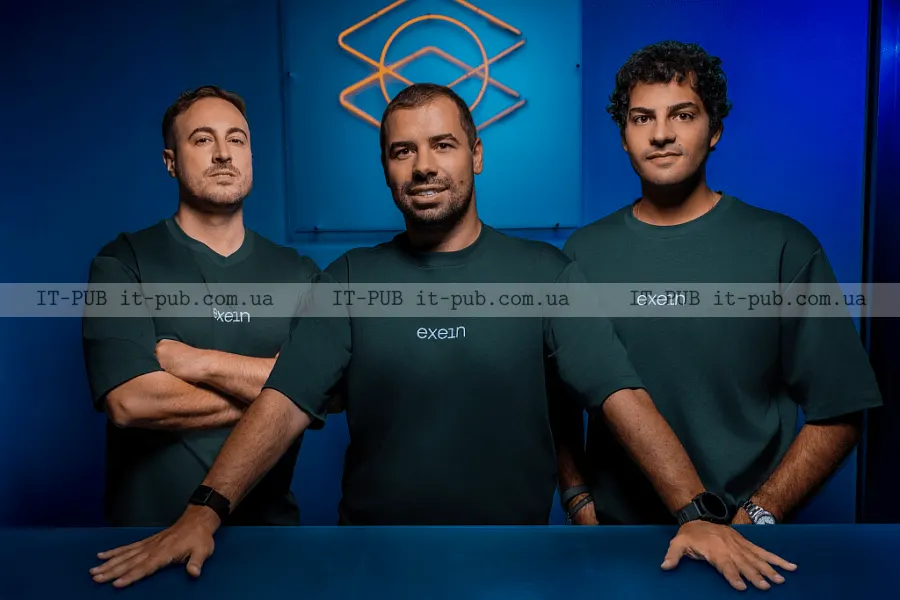
The Rome startup says the funding will help expand its device-level cybersecurity tools as AI moves onto hardware beyond the cloud.
Europe has a new unicorn, and Exein is at the center of it. The Italian startup has raised $270 million in a round led by Headline, lifting its valuation to $1.7 billion. It says the funding will help expand its security tools for physical AI, as more devices begin running AI models outside the cloud. That puts the company at the meeting point of AI, connected hardware, and cybersecurity.
The size of the round is notable, but so is Exein’s pitch. The company argues that devices should be able to defend themselves even when they are not connected to a secure network. For factories, vehicles, medical systems, and other connected products, that goes beyond protecting data — a cyberattack can disrupt real-world operations.
Exein moves from IoT security toward physical AI
Exein was founded in Rome in 2018 with a focus on IoT security. Since then, it has shifted closer to what it calls physical AI — AI systems running on devices such as robots, drones, self-driving cars, sensors, and smart appliances.
Its latest product, Photon, is a runtime security tool designed to stop attacks at the kernel level of a device. In practical terms, it is built to watch for threats while the device is operating, rather than only checking it before deployment.
That model depends on close work with manufacturers. Exein says it has partnered with OEMs and silicon vendors from the start, based on the expectation that connected devices would keep spreading. According to IT-PUB News, the company says that strategy has helped it secure more than 2 billion connected devices.
Those devices are spread across sectors where failures can carry serious consequences, including aerospace, industrial automation, automotive manufacturing, energy, healthcare, and semiconductors.
Investor demand pushed the round past target
Exein said the financing was significantly oversubscribed, a sign that investor demand went beyond the amount it originally planned to raise. The startup also said its valuation has increased thirty-fold since its Series B about two years ago, and more than doubled since it secured equity and debt in December 2025 after its Series C the year before.
That interest reflects a wider investor view that security for connected hardware could become more important as AI spreads into physical products. Exein ties its own growth to the same shift, arguing that the supply chains behind connected devices also support physical AI systems.
Cuozzo said the company sees its technology as relevant to AI-powered robots, drones, self-driving cars, sensors, smart appliances, and other devices that run models at the edge — on the device itself rather than in a distant data center.
Exein says AI is accelerating attacks on devices
Exein’s pitch rests on a growing tension in AI security. The same technology that helps companies automate more devices can also make attacks faster and more effective.
Cuozzo said open source models that can run without guardrails are making it easier and cheaper to target physical devices in new ways. He also said Exein has already seen more “machine-speed attacks,” the company’s term for highly automated attacks that happen at high speed.
That helps explain why Exein says it plans to build a foundational model for physical AI security. The company is training the model on machine data and telemetrics, and expects it to be ready in the first quarter of 2027.
The plan points to a broader ambition than selling point products alone. Exein appears to be trying to build a wider security layer for this class of devices. For manufacturers and operators, the appeal is straightforward: more protection for increasingly complex systems. But the pressure is growing too, because as devices become more connected and more autonomous, the attack surface grows with them.
New funding will back acquisitions and expansion
Exein said it plans to use the fresh capital for acquisitions aimed at completing its product portfolio, as well as hiring to speed up expansion in the U.S. and Asia Pacific. The company said Asia Pacific currently generates half of its revenue.
Cuozzo described operating across three continents as the company’s biggest challenge so far. At the same time, he said that broader footprint has paid off, and claimed Exein is growing 400% year on year.
Those figures stand out, though they also leave the familiar question of whether that pace can hold. Exein is betting that demand for device-level security will keep rising as more products become connected and more AI moves onto hardware.
EU cyber rules could strengthen Exein’s market
Exein may also get a lift from regulatory changes in Europe. The European Union’s Cyber Resilience Act began reporting obligations last week and will come into full force in December 2027. The law requires manufacturers to “make sure all digital products are safe from cyber threats.”
That could put more pressure on hardware makers to strengthen security across the products they ship, creating more room for companies like Exein. The startup is positioning itself within that shift, offering security designed for devices that need to defend themselves from the inside.
For now, the funding round gives Exein fresh capital and much higher visibility. It also underlines a broader shift: cybersecurity is no longer just about networks and software. As AI moves deeper into physical products, the devices themselves are becoming a frontline.