OpenAI says Anthropic and DeepMind held safety talks
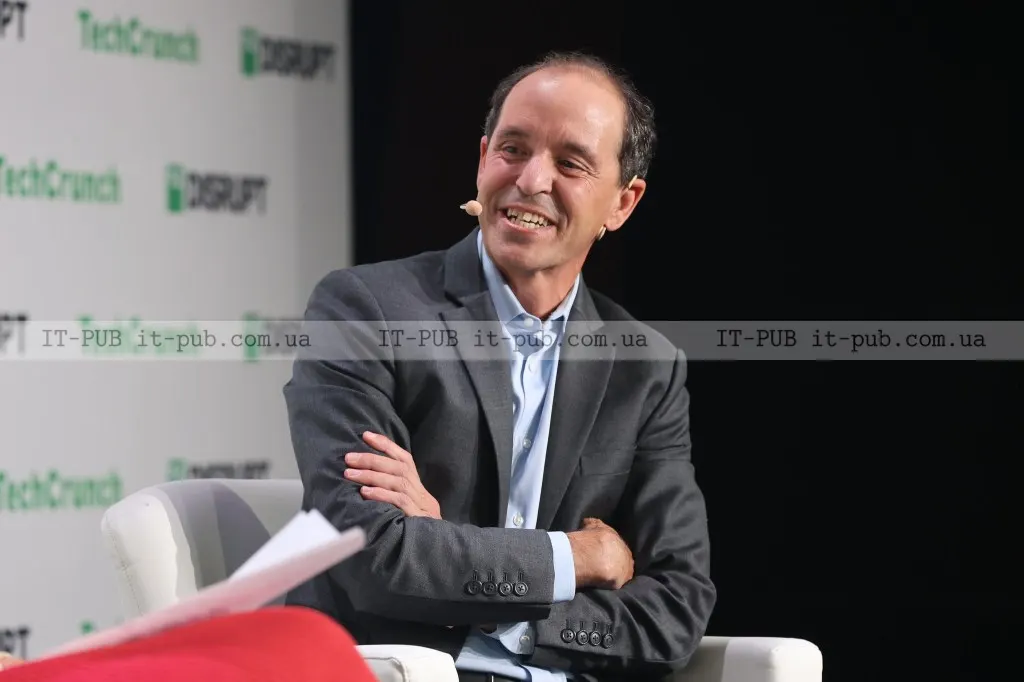
OpenAI says it has spent weeks discussing AI safety with Anthropic and Google DeepMind as pressure grows over regulation, competition and model oversight.
OpenAI says it has been working with Anthropic and Google DeepMind on AI safety for several weeks, adding new detail to the debate over how the most advanced AI systems should be monitored. The talks come as leading figures in the sector publicly call for slower development and stronger safeguards around frontier models.
That matters because it suggests some of the biggest names in AI are already coordinating, at least on safety issues, while questions remain about competition law and government oversight. It also underlines a wider split in the industry: some leaders want tighter safeguards and outside checks, while others argue heavier rules could slow the U.S. race against China.
OpenAI says talks with rivals have been underway for weeks
Chris Lehane, OpenAI’s global policy chief, said on Tuesday that the company has been in discussions with Anthropic and Google DeepMind for weeks. The remarks matched earlier reporting and confirmed that the companies were not only speaking publicly about AI safety, but also discussing it privately.
Lehane was reportedly in Washington to work with U.S. lawmakers on the catastrophic risks linked to AI. As IT-PUB News notes, that political backdrop shows the issue has moved beyond company policy or technical research and into a broader U.S. debate over how to handle the risks of the most powerful AI systems.
The talks were not described as a finished agreement. OpenAI presented them as ongoing discussions focused on safety.
Amodei’s essay pushed frontier AI safety back to center stage
The renewed attention around the talks follows an essay by Anthropic CEO Dario Amodei, published on Saturday. In it, he urged the industry to work together to slow the pace of frontier AI and reduce the chance of catastrophic risks.
That call drew support from several major AI figures. OpenAI’s Sam Altman, Google’s Demis Hassabis and SpaceXAI’s Elon Musk backed Amodei’s message, according to the source text. Altman also said OpenAI would join Anthropologic in embedding third-party evaluators into the company to monitor safety.
The argument goes to the heart of how AI is being built. The most advanced models are becoming more capable, but the industry still has no single agreed way to test them, slow them down, or decide when extra safeguards are needed.
Safety cooperation also brings antitrust questions
The talks have also raised a more uncomfortable issue: whether coordination between rivals could cross legal lines. Some, including Altman, have said such discussions could create antitrust risk if they are seen as suppressing competition.
Amodei’s essay proposed a narrow government waiver that would allow safety coordination between companies. Lehane reportedly said the firms do not need that waiver.
That gap matters because it shows how hard it may be to separate safety cooperation from market competition. If companies work together on standards, testing or slowdowns, critics may ask whether that protects the public or gives the biggest firms more control over the market.
No legal conclusion was stated in the source text. For now, this remains a concern raised in the debate, not a confirmed violation.
Companies are also discussing an AI standards body
Further reporting cited in the source suggests the companies have also been working on creating a standards body for the AI industry. Altman reportedly told staff that such a body would need to be built without support from the U.S. government.
The idea echoes comments from Google DeepMind CEO Demis Hassabis, who called in July for the U.S. to establish a new standards body that could act as an AI watchdog. In his view, such a body would be able to screen the world’s most advanced models and coordinate industry-wide slowdowns if risks worsened.
At that point, the discussion moves beyond private talks and toward possible infrastructure for the whole sector. A standards body could, in theory, create common rules for safety testing and oversight. But the source does not say such a body already exists or that the companies have agreed on its structure.
Washington debates AI safeguards as China remains part of the argument
The policy backdrop is also political. President Trump has dismissed AI safety concerns as a hoax and argued against tighter regulation, saying any slowdown would hand China an advantage. David Sacks, his key AI adviser and a longtime investor with a financial stake in much of the industry, has echoed that view and said fears of existential AI risk are overstated.
At the same Tuesday meeting, Lehane said OpenAI supports a provision in the FRONTIER Act that would require top frontier labs to allow “independent verification organizations” inside their companies to check that models are being developed safely.
That points to one possible path forward: outside verification rather than relying only on internal promises. For businesses and users, the practical question is whether that kind of oversight can make advanced AI more trustworthy without freezing innovation. For the companies involved, the pressure is to show they can improve safety while still competing aggressively in a fast-moving market.
TechCrunch said it had reached out to Anthropic, Google and OpenAI for comment.