What Is Cybersecurity for Users and Why It Matters
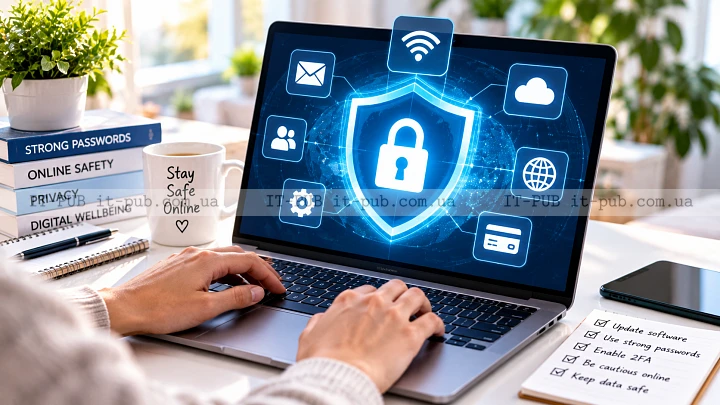
What is cybersecurity for users? Put simply, it’s the mix of habits, tools, and basic protections that help people stay safe online. That includes everything from secure passwords and safe browsing to spotting scams and keeping devices up to date.
A lot of people hear the word “cybersecurity” and think of big companies, security teams, or highly technical work. In practice, it matters just as much to anyone who uses email, banking apps, social media, cloud storage, or a smartphone. The point is not to turn every user into a security specialist. The point is to lower risk and make it much harder for attackers to get to your accounts, money, and personal data.
Why cybersecurity matters for everyday users
Most online attacks don’t start with anything especially sophisticated. More often, they begin with something small: a fake message, a weak password, or one careless click. That’s exactly why user cybersecurity matters. It comes down to the everyday choices that either protect you or leave an opening.
One compromised account can quickly lead to bigger problems. If someone gets into your email, they may be able to reset passwords for other services. If they access your cloud storage, private files or photos may be exposed. If they reach financial apps, the consequences can be much more serious. Good security habits help stop that chain reaction before it begins.
There’s also the privacy side of it. Not every threat is about stealing money. Some attacks are meant to collect personal information, track behavior, or use someone’s identity for fraud. Protecting your digital life means thinking about both security and personal data protection.
What cybersecurity means in plain language
Cybersecurity for users means keeping digital accounts, devices, and information safe from unauthorized access, theft, or damage. That includes your phone, laptop, tablet, browser, and the online services you rely on every day.
A simple way to think about it is digital self-defense. You don’t have to block every possible threat. You just need to be a harder target. Attackers usually go for the easiest route. If your password is strong, your device is updated, and you’re careful with links, many common attacks become far less effective.
It’s also worth remembering that cybersecurity is not just about software. Behavior matters too. Even a secure device can be put at risk by a rushed click, a reused password, or a fake support call. Technology helps, but awareness often makes the real difference.
The most common threats users face
The threats most users run into are usually the ones built around trust, distraction, or urgency. Phishing protection matters here because phishing remains one of the most common tactics. It works through fake emails, messages, or websites designed to trick you into giving away sensitive information. The message may appear to come from a bank, delivery company, employer, or online service.
Malware is another major risk. This is harmful software that can steal data, track activity, lock files, or damage a device. People often come across it through unsafe downloads, suspicious attachments, or compromised websites. Not every malicious program behaves the same way, but the outcome is often similar: you lose control over your device or your data.
Account takeover is common too. If attackers get your password, they may log in as you and use the account for fraud, spam, or further attacks. Reused passwords make this much easier, because a breach on one site can open the door to several others.
Then there’s social engineering. These attacks target people more than systems. A fake message demanding immediate action, a call from someone pretending to be technical support, or a request that sounds urgent can all be part of the same tactic. The goal is usually to create pressure so the victim acts before thinking.
Passwords still matter more than most people think
Passwords are basic, but they’re still one of the most important security tools people have. A weak password is easier to guess. A reused password is even worse, because one breach can expose multiple accounts at once. Secure passwords are long, unique, and hard to predict.
For most people, a password manager is the most practical option. It stores passwords securely and can generate stronger ones for you. That removes the temptation to reuse the same password everywhere or depend on memory alone. And that matters, because convenience usually wins when security feels too complicated.
Multi-factor authentication adds another layer. It means logging in requires more than just a password, such as a code or confirmation on another device. Even if a password is stolen, that extra step can block unauthorized access. For everyday users, it’s one of the most useful security upgrades available.
Safe browsing starts with small habits
A lot of online safety for users comes down to paying attention to where you click and what you download. Safe browsing doesn’t mean avoiding the internet or treating every site as dangerous. It means slowing down just enough to check whether something looks trustworthy.
Before entering sensitive information, look closely at the website address. A misspelled domain, odd design, or unexpected redirect can be a warning sign. Be cautious with pop-ups that claim your device is infected or that you need to act immediately. Those messages often rely on fear to push you into a bad decision.
The same goes for downloads. Only install apps and files from sources you trust. If a file arrives unexpectedly, even from someone you know, confirm that it’s legitimate before opening it. Attackers often hide malicious content behind familiar names or routine communication.
Keeping devices updated is a basic security habit
Software updates are not only about new features or design changes. Very often, they include security fixes that close known weaknesses. If a device or app isn’t updated, it may stay exposed to problems that have already been fixed elsewhere.
That’s why updates matter for phones, computers, browsers, and apps. Automatic updates are especially useful because they reduce the chance of delay. Many people put them off because they seem annoying or inconvenient, but that inconvenience is usually minor compared with the risk of leaving a known vulnerability unpatched.
This applies to operating systems as much as everyday apps. A secure browser can still be weakened by outdated extensions, and a protected phone can still be vulnerable if critical updates are ignored. Good user cybersecurity depends on the whole device, not just one part of it.
Public Wi-Fi and other everyday risks
Public Wi-Fi is convenient, but it can create risk when used carelessly. Open networks may expose your activity to other people on the same connection, especially if websites or apps are not using secure connections. That doesn’t mean public Wi-Fi should never be used. It means sensitive tasks need extra care.
Avoid signing into important accounts on unknown networks unless you’re confident the connection is secure. If you do need to use public Wi-Fi, be especially careful with banking, password changes, and private files. For important activity, a mobile hotspot or another trusted network is often the safer option.
Shared devices can cause problems too. If you log in on a public computer or someone else’s device, make sure you sign out fully and avoid saving passwords. Browser sessions, autofill, and cached data can leave traces behind if you’re not careful.
Personal data protection is part of cybersecurity
Cybersecurity isn’t only about stopping attacks after they happen. It’s also about reducing how much personal information is exposed in the first place. The less data you share, the less there is to steal, misuse, or exploit.
Check the privacy settings on social media, apps, and cloud services. Many platforms collect more than users realize. Location data, contact lists, and activity history can reveal a lot about your life and routines. Cutting back on unnecessary sharing is a practical way to improve both privacy and security.
It also helps to be cautious with forms that ask for personal details. Not every request is legitimate, and not every service needs the same amount of information. If a site asks for data that seems unrelated to its purpose, stop and think before submitting it. Good cybersecurity habits include a healthy level of skepticism.
Backups make recovery much easier
Even careful people run into problems. Devices fail, files get deleted by mistake, and accounts can be locked or compromised. Backups are one of the simplest ways to limit the damage. They won’t prevent every incident, but they make recovery much easier.
A backup is a separate copy of important files stored somewhere safe. That might be a cloud service, an external drive, or another trusted storage method. What matters is that the copy is current and accessible when you actually need it.
This is easy to overlook, but it matters. Security isn’t only about prevention. It’s also about resilience. If something goes wrong, a backup can save time, money, and stress.
How to recognize a suspicious message
Suspicious messages usually have a few things in common. They may create urgency, ask for sensitive information, or include links that don’t match the sender’s identity. You may also notice unusual spelling, poor formatting, or a tone that feels slightly off.
At the same time, some scams are polished enough to look completely legitimate. A professional-looking message can still be fake. The safest response is to verify it through a separate channel if anything seems unusual. If a bank or service asks you to take action, go directly to the official app or website instead of using the link in the message.
That small pause matters because attackers depend on speed. They want a quick reaction, not a careful one. Taking a moment to verify can interrupt that pattern and prevent a mistake.
Building safer habits without overcomplicating things
Good cybersecurity for users does not require perfect behavior. It requires habits that are realistic enough to keep using. The basics still do most of the work: use strong unique passwords, turn on multi-factor authentication, update devices, back up important files, and pause before clicking.
It also helps to keep your digital life organized. Know which accounts matter most. Protect your main email account first, since it often controls access to everything else. Review your recovery options so you’re not locked out if a device is lost or a password is forgotten. Small steps like these can make a big difference later.
The best security setup is the one you can maintain. If it becomes too complicated, people stop following it properly. Practical cybersecurity should fit into daily life, not constantly get in the way.
A simple way to think about user cybersecurity
A useful mindset is to assume mistakes can happen without letting one mistake turn into a bigger disaster. You might click the wrong link one day or get a message that looks convincing. Good security habits reduce the chance that a single error becomes a serious problem.
What is cybersecurity for users, in the end? It’s layered protection. A strong password helps. Multi-factor authentication helps more. Updates, backups, and careful browsing add more protection on top. None of these steps is perfect by itself, but together they make your digital environment much safer.
That’s the core idea. You don’t need to master every technical detail to stay safer online. You need to understand the common risks, use sensible tools, and treat your digital identity with the same care you’d give to your physical valuables.