OpenAI’s release pace pushes AI startups to adapt
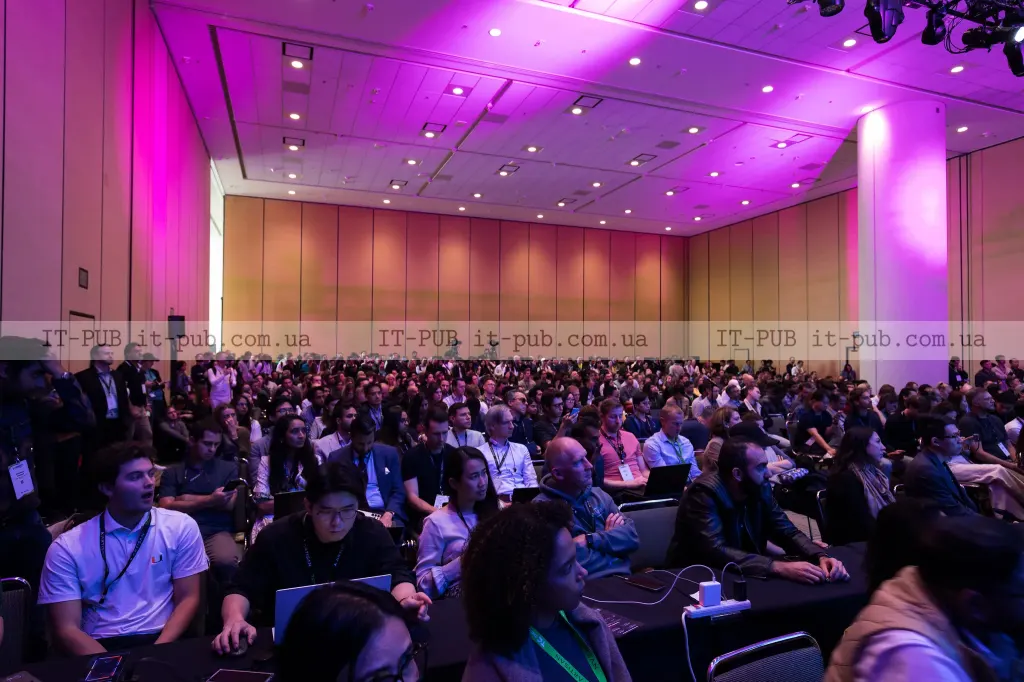
A TechCrunch Disrupt 2026 session will examine how fast-moving model makers can turn startup roadmaps into platform features.
OpenAI’s rapid product releases are forcing AI startups to rethink what actually makes them valuable. The challenge is no longer just competing with other young companies. More and more, it is about surviving when a feature built by a startup can be folded into the platform underneath it.
That pressure sits at the center of a TechCrunch Disrupt 2026 session titled “What Happens When OpenAI Ships Your Roadmap.” The discussion will bring together Michel Tricot of Airbyte, Rob Toews of Radical Ventures, and Linda Tong of Webflow in San Francisco on October 13–15. For founders and investors alike, the question is practical: what can still stand out when the model makers keep shipping new capabilities?
AI startups are now competing with the platforms they use
The source text points to a broader strategic shift across the AI market. Founders who once mainly worried about rival startups are now also contending with foundation model companies such as OpenAI, Anthropic, and Google, which continue to add capabilities at a fast clip.
That changes the logic of product planning. It is no longer enough to ask whether a team can build a feature. They also have to ask whether they will still own that advantage after the next platform update.
The pressure goes beyond engineering. It reaches fundraising, company valuations, and the way startups position themselves in a crowded market. A product that looks differentiated today can look far less distinctive after the next model release.
The session examines when a startup product becomes a platform feature
The Builders Stage session is centered on a specific risk: a startup can spend months or years building something, only to see it show up later as part of a larger platform’s standard offering.
The source describes that as one of the biggest strategic risks for AI startups right now. In that scenario, the threat is not simply losing to another founder. It is losing the edge that made the company matter in the first place.
The discussion will look at where defensibility still exists. According to IT-PUB News, the text points to proprietary data, deeply embedded workflows, customer relationships, domain expertise, and trust. Those are presented as the areas foundation models are less likely to replace quickly.
The underlying question is straightforward, even if the answer is not: can founders build something customers will still value after the next model release?
Airbyte, Webflow, and Radical Ventures bring different perspectives
The session is set to combine the views of a founder, an operator, and an investor. Each comes at the same problem from a different angle — how to build an AI company that stays relevant even as the underlying technology keeps shifting.
Michel Tricot, CEO and co-founder of Airbyte, brings the perspective of a company built around data integration infrastructure. The source says Airbyte has grown into an open-source platform with more than 7,000 customers, including 18% of the Fortune 500.
Linda Tong, CEO of Webflow, will speak from the standpoint of a software company navigating a major shift in customer expectations as AI changes how products are built and used. The text also notes her previous experience at Google, Cisco, and the NFL.
Rob Toews, a partner at Radical Ventures, adds the investor’s view. The source says he regularly evaluates AI startups and looks at where competitive advantages still exist — and where products risk turning into features.
Together, the three are meant to address a broader question facing many AI founders: what can a company build that the platforms cannot simply ship themselves?
Why the discussion matters for founders and investors
The source presents this as a business problem, not a theoretical debate. If foundation models continue to improve, as the text says they will, startups will need clearer reasons for customers to choose them.
That may push founders away from narrow features and toward parts of a business that are harder to copy. The article points to workflows, owned data, the problems a company solves, and the trust it earns as possible sources of staying power.
For investors, the same shift changes how AI companies are evaluated. A startup’s value may depend less on how impressive the current product looks and more on whether it can still matter three years from now.
The session at Disrupt is meant to explore that tension. It reflects a wider anxiety across the AI ecosystem: a strong product may not be enough if the platform underneath it can absorb the idea and roll it into a broader release.
TechCrunch Disrupt 2026 will take place at Moscone West in San Francisco and is described in the source as a flagship startup event with more than 10,000 founders, investors, and operators and over 250 sessions. For AI founders, though, the sharper takeaway is immediate — building the next feature may be hard, but building something that survives the next model update could be harder.