Norway considers curbs on camera smart glasses
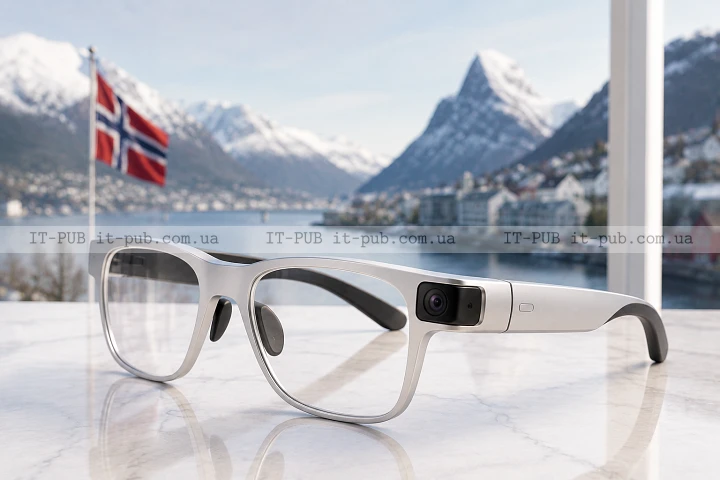
Officials are reviewing whether wearables from companies like Meta and Snap need stricter limits, especially if facial recognition reaches public use.
Norway is weighing new restrictions on smart glasses and other camera-equipped wearables as officials respond to rising privacy concerns around the devices. The debate focuses on headsets and glasses that can record video, stay connected to the internet, and could eventually add facial recognition. That mix has pushed the issue beyond niche gadget talk and into a broader public-policy discussion. Critics say such devices could make it easier to record or identify people without their knowledge.
The backlash has been sharp enough that some opponents have dubbed them “pervert glasses,” a label that reflects unease among consumers and civil liberties advocates. As IT-PUB News reports, the concern is not just about what these products can do today, but about how quickly they may become more capable.
Norway weighs stricter rules for wearable cameras
Norway’s digital minister, Karianne Tung, said the government is looking at regulating camera-enabled wearables, including products made by Meta and Snap. Her comments, reported by AFP, indicate that officials are thinking ahead — not only about current features, but also about how the devices may develop.
Tung said there is a “clear trend” toward combining artificial intelligence with cameras and microphones built into glasses, headphones, hats, and other everyday items. In her view, that raises the risk that such equipment could be used to monitor other people in public spaces.
No final decision has been announced. For now, Norway is examining whether the technology needs more direct limits instead of being handled under existing privacy rules alone.
Facial recognition in public is at the center of the debate
Facial recognition has become the key issue in the discussion. Tung said the government wants to stop wearable devices from being used to monitor other people in public places, and that this could include banning the use of facial recognition of other people in public.
That matters because facial recognition can turn a simple recording device into something far more intrusive. Video recording already raises privacy concerns, but the ability to identify people makes public surveillance more personal — and much harder to ignore.
The source does not say such features are already widely used in Norway. The concern is about where the technology is heading, and how easily the line between a consumer gadget and a surveillance tool can blur.
Privacy advocates say the devices change everyday recording
Civil liberties advocates have helped drive the debate, arguing that camera-enabled wearables intrude on people’s privacy. Their concern is not limited to the hardware itself. They also point to the social effect of making recording devices seem more ordinary and less visible.
That is one reason the products have become so contentious. A phone camera is obvious and familiar, but a camera built into glasses or another wearable can be much harder for bystanders to spot. For many people, that makes the privacy risk feel immediate in everyday places such as streets, shops, and public transport.
The consumer backlash mentioned in the source suggests the concern goes beyond regulators and advocacy groups. The nickname “pervert glasses” points to a wider discomfort with devices that can quietly record while being worn in public.
Expert group will help shape Norway’s next move
Tung said she plans to set up a group of experts to advise the government on how to better protect privacy rights. That suggests Norway is still in the fact-finding and policy-design stage, rather than moving straight to a ban without outside input.
The group could help determine whether a full ban is needed or whether narrower restrictions would be enough. The source does not say who will join the panel or when its work will begin.
For the companies behind smart glasses and similar devices, any new limits in Norway could matter beyond a single market. Restrictions on public use, especially around facial recognition, could influence how such products are marketed and how comfortable people feel wearing them in social settings. For users, the dispute comes down to a familiar trade-off between convenience and privacy — and Norway’s review shows where regulators think that balance may need to be redrawn.