What Is Cybersecurity and Why It Matters
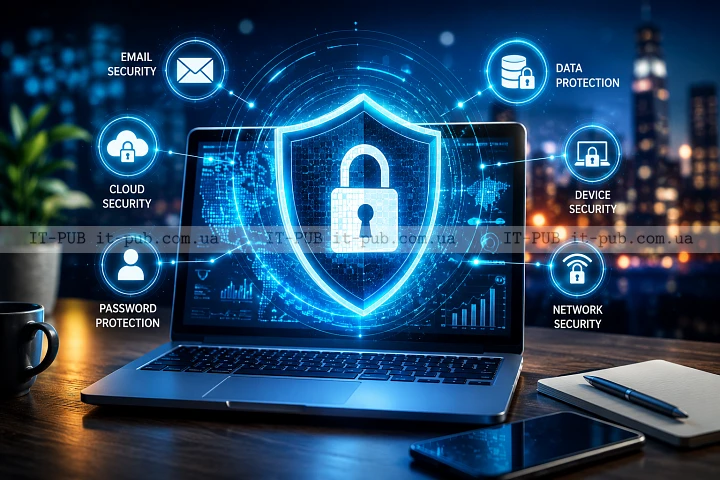
Cybersecurity is the practice of protecting devices, networks, systems, and data from digital attacks. It touches almost everything that happens online, from email and banking to business operations and personal photos. At this point, understanding what is cybersecurity is not just useful background knowledge. For people and organizations that rely on connected technology every day, it is part of basic digital life.
Understanding what cybersecurity really means
At its simplest, cybersecurity is about reducing risk. It helps keep unauthorized people out, limits damage when something goes wrong, and makes it harder for attackers to steal, disrupt, or misuse information.
It also covers more than many people assume. Some protections are aimed at a laptop or phone. Others focus on a company network, cloud services, or the data stored inside them. Good cybersecurity is not a single tool, and it is not just the job of one department. It is a mix of technology, processes, and everyday habits working together.
That is a big part of the cybersecurity importance people sometimes overlook. One weak password, one unsafe download, or one careless click can create problems that spread well beyond a single device.
Why cybersecurity has become so important
Daily life depends heavily on digital systems. People shop online, store documents in the cloud, message through apps, and use connected services for work and personal tasks. Businesses handle payroll, manage clients, and share sensitive information through digital tools.
That convenience comes with more exposure. Every system connected to the internet creates another possible entry point for attackers looking for weak spots. Cybersecurity helps close those gaps before they turn into serious incidents.
When security is poor, the impact can spread quickly. For individuals, that may mean stolen accounts, lost money, or leaked personal data. For companies, it can mean downtime, reputational damage, legal trouble, or disrupted services. In some cases, a single breach affects customers, partners, and employees all at once.
The main threats cybersecurity tries to stop
Cyber threats take different forms, but they usually aim for the same outcome: get access, steal something valuable, or cause disruption.
Phishing remains one of the most common attacks. It uses fake messages, websites, or calls to trick people into giving up passwords, payment details, or other sensitive information. Because it relies on deception as much as technical skill, it often targets the human side of online security.
Malware is another major risk. The term covers harmful software designed to damage systems, spy on activity, lock files, or create a path for further attacks. It can arrive through infected downloads, unsafe links, or compromised websites.
Ransomware is one type of malware that blocks access to files or systems and demands payment to restore them. It is especially disruptive because it can stop work completely and may affect backups or connected systems too.
Other attacks go after network security weaknesses, unpatched software, weak authentication, or misconfigured cloud services. Some are built to steal data quietly. Others try to overload systems or interrupt service.
How cybersecurity protects people and organizations
Cybersecurity works best in layers. If one safeguard fails, another can still prevent an attack or at least reduce the damage.
Strong passwords and multi-factor authentication make account takeovers much harder. Encryption protects data by turning it into unreadable information for anyone without the right key. Firewalls help control network traffic and block suspicious connections. Antivirus and endpoint protection tools can detect and remove known threats.
In organizations, access control is another core piece. Not every employee should be able to reach every system or file. Restricting access lowers the damage an attacker can do if one account is compromised.
Monitoring matters too. Security teams watch for unusual activity such as logins from unexpected locations, strange file changes, or traffic that does not match normal patterns. The earlier a problem is spotted, the easier it is to contain.
Backups are just as important. If data is lost, encrypted, or corrupted, a clean backup can be the difference between a short interruption and a major crisis.
Security is not only a technology problem
It is easy to think cybersecurity is mostly about software and hardware. In reality, people are often the first line of defense.
Even a well-protected system can be weakened by poor habits. Reusing passwords, ignoring updates, clicking unknown links, or sharing sensitive information too freely can undo strong technical controls. That is why security awareness matters so much.
Training helps people recognize suspicious messages, understand safe behavior online, and know what to do when something feels off. Small habits help more than they seem. Verifying a sender, checking a website address, and being careful with attachments can stop many attacks before they begin.
This human side of cybersecurity matters because attackers usually look for the easiest route. If tricking a person is easier than breaking into a system, that is often where they start.
Everyday cybersecurity habits that actually help
Good cybersecurity does not need to be complicated. A few consistent habits can improve safety in a very real way.
Using strong, unique passwords for every account helps prevent one breach from spreading into others. A password manager makes that easier without forcing people to rely on memory alone. Multi-factor authentication adds another layer by requiring a second form of proof, such as a code or app approval.
Software updates are essential too. They often fix security flaws that attackers already know how to exploit. Delaying updates leaves those weaknesses open longer than necessary.
It also makes sense to be careful with public Wi-Fi, especially during sensitive tasks. If a network is not trusted, it is better to avoid signing in to important accounts unless extra protection is in place. On shared or public devices, always sign out when finished.
Regular backups are one of the simplest forms of data protection. They make it easier to recover files after accidental deletion, hardware failure, or ransomware.
And it is worth being careful about what you share online. Personal details can help attackers guess passwords, answer security questions, or build more convincing phishing messages.
What cybersecurity looks like in a business setting
For organizations, cybersecurity is about more than protecting laptops and email accounts. It supports business continuity, customer trust, and operational stability.
Most companies need clear policies for how data is handled, who can access what, and how incidents are reported. They also need technical controls such as secure configuration, network segmentation, identity management, and logging. These measures help stop small mistakes from turning into major incidents.
Incident response is another key part of the picture. No system is perfect, so organizations need to know in advance how they will react when something goes wrong. That includes identifying the issue, isolating affected systems, preserving evidence, restoring service, and learning from the event.
Vendor and third-party risk matters as well. Many businesses depend on external providers for cloud hosting, software, payment processing, or support. If those partners have weak security, they can introduce new risks. Good cybersecurity includes checking those relationships too.
The role of data protection in cybersecurity
Data is often the main target of cyber attacks. Personal records, financial information, business plans, and intellectual property all carry value for attackers.
Cybersecurity helps protect data in transit, when it moves across networks, and at rest, when it is stored on devices or servers. Encryption is a major tool here, but not the only one. Access controls, secure deletion, data classification, and logging all help reduce exposure.
Not every kind of data needs the same level of protection. Sensitive information deserves more care than public content. Organizations that know what data they hold, where it is stored, and who can access it are in a much better position to protect it.
The same idea applies to individuals. It helps to know which accounts, photos, documents, and payment details are most sensitive and give them extra protection.
How cybersecurity supports trust
Trust is one of the clearest reasons cybersecurity matters. People expect their information to be handled safely. They want to know that online services, workplaces, and digital tools will not expose them to avoidable risk.
When security is weak, that trust breaks fast. A breach can make users hesitate to share information, buy from a company, or rely on a service again. Winning that trust back is difficult and often expensive.
Strong cybersecurity does not promise that nothing will ever go wrong. It does show that an organization takes responsibility seriously. That matters to customers, employees, partners, and regulators.
Building a practical cybersecurity mindset
A practical way to think about cybersecurity is to treat it as ongoing care, not a one-time setup. Threats change. Systems change. People change their habits. Security has to keep up.
The best approach is layered and realistic. Use tools that fit the environment. Keep software updated. Limit access. Back up important data. Train people to spot suspicious behavior. Review what is working and what is not.
For beginners, the first step is often simple awareness. Learn what phishing looks like. Use better passwords. Turn on multi-factor authentication. Be careful with downloads and links. These are not flashy steps, but they stop a large share of common attacks.
For IT teams and business leaders, the challenge is broader. Security needs to be built into planning, operations, and decision-making rather than added at the end. That includes budgeting for protection, testing recovery plans, and treating security as part of quality, not just compliance.
So, what is cybersecurity in practical terms? It is the work of protecting digital life as it actually exists today. That means protecting money, privacy, work, and trust. The goal is not perfection. The goal is to make attacks harder, reduce damage, and stay prepared when problems appear.