FAA glitch grounded flights across the US
A fiber upgrade by FAA contractor L3Harris overloaded a critical communications system, triggering cancellations and new scrutiny of aviation infrastructure.
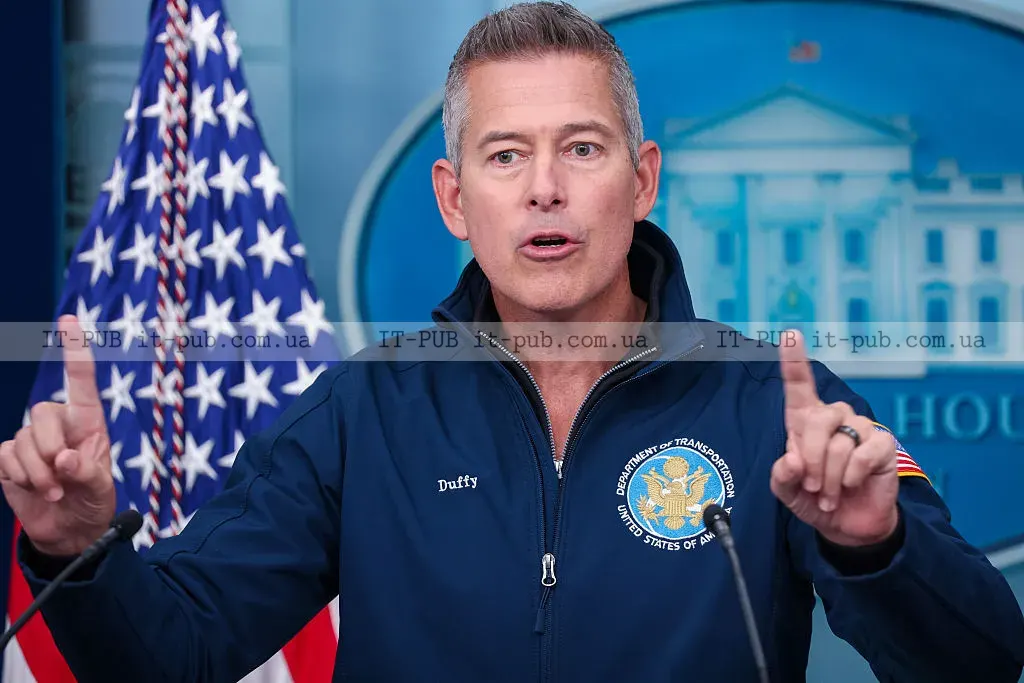
A routine maintenance upgrade at the Federal Aviation Administration triggered a nationwide ground stop that disrupted air travel across the United States. Transportation Secretary Sean Duffy said the trouble began after copper wire at a remote location was upgraded to fiber optic cable by L3Harris, a longtime FAA contractor. After the work, a router overloaded a critical communications system, forcing the agency to halt flights. The disruption quickly turned into a broader debate over how resilient the country’s aviation systems really are.
The incident stood out not just because it stranded travelers nationwide, but because it exposed how vulnerable key aviation infrastructure can be. The FAA and the Transportation Department are still trying to determine whether the failure stemmed from user error, installer error, or a faulty router. It also revived Duffy’s push for Congress to approve more funding for aviation equipment upgrades.
A routine upgrade overloaded a critical FAA system
Duffy described the work as a standard upgrade at a very remote location. He said the issue emerged after the copper line was replaced with fiber optic cable and a router began overwhelming a critical communications system.
At a Saturday press conference, Duffy said officials were still trying to determine whether the problem was caused by incompetence, installer error from L3Harris, or faulty equipment. The press conference itself appeared to run into technical trouble — awkward timing, given the subject.
FAA acting CTO Rebecca Guy said the agency first detected instability in its network and then identified two points that were “pinging” the system at a very high rate, about a thousand connections every four to five seconds. She said the FAA disabled both immediately and stabilized the network. According to IT-PUB News, that explanation matches officials’ account that the outage spread from a communications overload rather than a broader unknown failure.
Duffy renewed his call for aviation funding
Duffy used the disruption to repeat his argument for more federal funding for aviation technology upgrades. He has made that case at several press conferences, saying the system needs modernization.
He was also asked why the work was scheduled at 3 p.m. on a Friday instead of at a quieter time, such as midnight on a Saturday. Duffy said the timing depends on the location: larger airports may require late-night switchovers, while remote switchovers happen during the day. He added that the agency will review the timing of this kind of work in the future.
Those comments suggest the FAA is not treating the event as a minor one-off. The agency is looking at how maintenance schedules, contractor work, and aging infrastructure can collide in a system where even a routine upgrade can carry nationwide consequences.
Thousands of flights were canceled after the ground stop
The scale of the disruption made the incident hard to miss. Cirium, an aviation data firm, said more than 8,200 flights were canceled on Friday evening. The impact continued after the ground stop was lifted, with at least another 3,000 flights canceled on Saturday.
According to the source, this was only the third nationwide ground stop of the 21st century. For passengers, the impact was immediate: missed departures, delayed plans, and travel disruptions that carried into the next day.
For airlines and airports, the episode showed how quickly a single communications failure can ripple through the national air system. Even after the original problem is contained, schedules can stay disrupted for hours or longer.
FAA officials said there was no evidence the outage involved AI
The ground stop came one day after the FAA announced a rollout of an AI tool for air traffic controllers. That timing drew questions, especially because the air traffic controllers union said it had not been consulted in designing the system.
Still, FAA administrator Bryan Bedford said the agency saw “zero evidence of anything nefarious and zero evidence of anything AI-related.” He said plainly that the FAA was dealing with an equipment issue and was working to identify the defective piece of equipment.
Homeland Security Secretary Markwayne Mullin was also asked whether AI had caused the disruption. He did not confirm that. Instead, he remarked, “We call it SI [super intelligence] around here, remember? SI.” The source does not indicate that he offered any evidence linking AI to the outage.
For now, the FAA says the problem was technical, not AI-related, and that a root cause analysis is continuing. The episode still lands at an uncomfortable moment, with fresh questions about maintenance, contractor oversight, and how much strain aging systems can absorb before a routine change turns into a national disruption.