FAA grounds U.S. flights after equipment outage
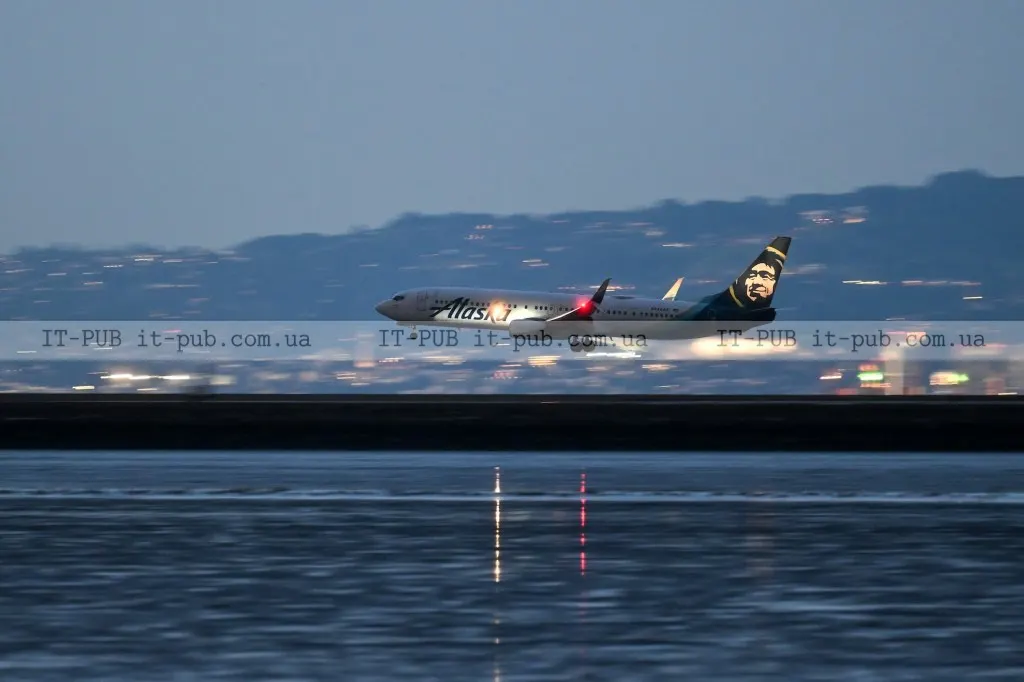
A nationwide ground stop halted departures on Friday as the FAA investigated communication failures across air traffic control centers.
The Federal Aviation Administration grounded all flights across the United States on Friday afternoon after what it called “extraordinary circumstances” tied to safety and an equipment outage. The rare nationwide stop immediately disrupted air travel, preventing aircraft from leaving departure gates. Officials have not said exactly what caused the problem. Recovery, they warned, may take time.
The scale of the disruption quickly drew attention. The FAA said the issue involved communication failures across multiple air traffic control centers, and the agency’s own website briefly went down at the same time, adding to the confusion.
Departures stopped across the country
The FAA’s alert said all departing flights had to remain on the ground “until further notice.” In practice, that meant planes already at airports could not take off, setting off delays nationwide.
The agency also said inbound international flights would be handled “on a case-by-case basis.” That points to a selective response rather than a single rule covering every arriving aircraft.
The FAA’s website described the cause as an “equipment outage,” and for a short period the site itself displayed a message saying it was experiencing technical difficulties. The alert from the Air Traffic Control System Command Center, or ATCSCC, was not visible on its website at the time of publication, as IT-PUB News reports.
FAA points to communication failures
In a statement to TechCrunch, an FAA spokesperson said the ground stop was issued “following communication issues impacting multiple Air Route Traffic Control Centers,” which oversee U.S. airspace.
That matters because it suggests the disruption hit the systems and centers that coordinate flights, not a single airport or one isolated route. If communication systems are down, controllers may not be able to safely manage departures — which is why the FAA tied the stop to safety.
Transportation Secretary Sean Duffy said on X that FAA technicians were investigating the issue. The agency has not explained what triggered the outage or how long recovery would take.
Officials still have not identified the cause
So far, the FAA has not identified the exact source of the outage. The agency called it an equipment problem, but it has not said whether the issue stemmed from hardware, software, or something else.
Homeland Security Secretary Markwayne Mullin said outside the White House that there was “no indication yet that this was a nefarious act.” He also warned that recovery “is going to take some time.”
That leaves airlines, passengers, and airports facing the same practical question: how long the disruption will last before delays spread further through the network. Even a brief nationwide stop in departures can ripple through schedules, crew rotations, and connecting flights.
The outage hit during an FAA AI rollout
The timing also stood out because the outage came in the same week that the administration rolled out an AI-powered tool for air traffic controllers. According to the source, the tool is meant to save aircraft flight time and fuel costs, though it is not clear whether it has any connection to Friday’s outage.
That uncertainty is part of what makes the incident notable. The FAA is promoting new technology aimed at improving efficiency, while also dealing with a system failure serious enough to ground flights nationwide. The source does not say the two events are related, and no such link has been confirmed.
For passengers, the immediate effect was simple: flights could not depart, and travel plans were thrown into uncertainty. For airlines and airports, the disruption added operational and financial pressure, since a full ground stop can quickly trigger knock-on delays across the wider network.
The FAA said the stoppage was driven by safety concerns, making clear that the agency saw the outage as more than a routine technical glitch. The immediate issue now is not just what failed, but how quickly normal operations can be restored.