Meta AI director Rohit Patel leaves for Ndoc
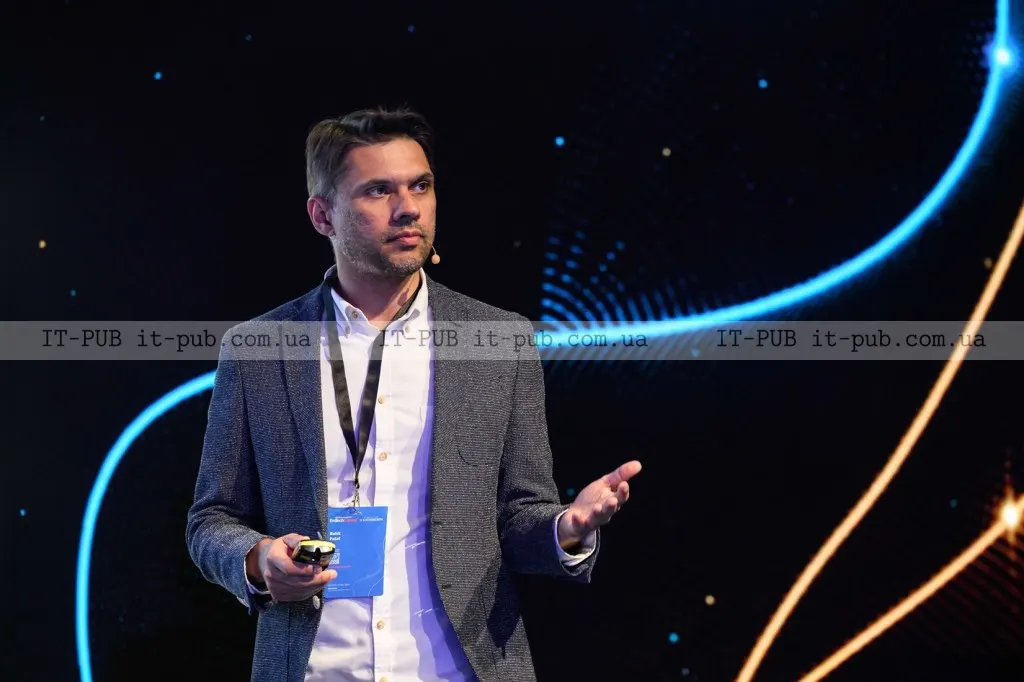
Patel says his startup can replace fragmented office tools with one AI workspace built around documents, data, analysis, and inspectable code.
Meta AI director Rohit Patel has left the company after eight years to launch Ndoc, a startup he is pitching as an AI-native alternative to Microsoft Office and Google Workspace. The move stands out not just because of Patel’s role at Meta Superintelligence Labs, but also because it comes amid a series of high-profile departures from the company. Ndoc is still at an early stage, yet Patel is betting that businesses want one workspace for documents, data, and AI-generated analysis rather than another tool layered on top of existing software. The bigger pitch is straightforward: replace the workflow, not just assist it.
A Meta veteran now building a rival workspace
Patel’s departure adds to a run of exits from Meta that also includes Chief Global Affairs Officer Joel Kaplan, AI researcher Andrew Tulloch, and Head of Product for AI-for-Work Emily Dalton Smith.
With Ndoc, Patel is trying to address what he sees as a basic problem in modern office work. People move between spreadsheets, text documents, presentation tools, dashboards, and AI chat, often across separate products. He wants Ndoc to pull those tasks into one shared environment.
That is what makes the startup notable. Patel is not presenting Ndoc as a sidecar AI assistant for familiar office software. He wants it to replace the workflow itself.
One workspace for documents, data and analysis
Ndoc is built around three parts. The Stage tab is for final output, such as slide decks, dashboards, simulations, or small apps. The Narrative tab is where the written explanation appears, including analysis, numbered citations, and generated figures. The Model tab contains the underlying datasets and Python scripts.
Patel says that structure reflects his work at Meta, where he focused on reinforcement learning and on checking whether AI output can be trusted. According to IT-PUB News, that emphasis on verification is central to Ndoc’s design. Users can inspect the Python scripts behind documents, which Patel says should make the system more transparent than tools that hide the process behind the final result.
His argument is that if AI is going to create spreadsheets and slide decks used in business decisions, people need a way to check how those outputs were produced. Even users who do not know Python can ask the AI chat to explain what a script does or point to the line that contains a formula.
Transparency is part of the pitch
Patel’s focus on visibility is one of the clearest ways Ndoc differs from many current AI workplace tools. In his view, users should be able to see the logic behind a chart, report, or spreadsheet rather than simply receive the finished version.
He says that matters because companies are increasingly relying on AI-generated work to make decisions. Ndoc is designed so users can trace a document back to its source material and code, instead of treating the AI’s output as a black box.
The startup also lets users upload a dataset and ask the system to analyze it and write a narrative about the findings. They can add context such as audience, tone, and memory, and Patel says the platform keeps memory across the person, the document, the team, and the company.
Why Patel left Meta to build it himself
Patel says the idea of open-sourcing the file format was one reason he decided to leave Meta and build the product independently. He wants documents exported from Ndoc to come as a single “.ndoc.html” file that can open in any browser.
He plans to open-source that format so other developers can build around it without being locked into Ndoc, much as many users have long been tied to Microsoft or Google products. Patel said that at a large company, agreeing on an open standard would require too many people and too many opinions, while he wanted to move faster.
His view is that speed matters more than waiting for a perfect plan. He described his approach as moving at the pace AI allows, rather than at the pace of a large organization.
A small startup entering a crowded race
Ndoc is still a very small operation. Patel is building it with a team of three and no funding, even as major AI companies push into the same area.
OpenAI, Anthropic, Meta, SpaceXAI, and Google have all introduced enterprise AI tools that connect to Google Workspace, Microsoft 365, and other workplace apps so their models can work inside existing systems. OpenAI also launched Space last month, a shared workspace inside ChatGPT that more directly competes with established office tools.
Patel acknowledges that Space could be a threat, but he says the bigger companies are approaching the problem the wrong way. In his view, simply attaching AI to spreadsheets is not enough. He is aiming for a more complete replacement for the office workflow.
That is a difficult goal. Changing how companies work is usually harder than adding a new feature to software people already know. Patel says he understands that challenge, which is why Ndoc includes connectors that let customers import data from the tools they already use.
He also says he is holding back on fundraising until he has clearer evidence that users genuinely want the product. For now, Ndoc is running an enterprise pilot and opening an alpha version to a limited number of customers from a wait list. Signing up is free, but customers will pay for usage and tokens.
Patel hopes to release a beta version in the coming weeks, with a full launch planned for next year. Whether that is enough to pull businesses away from entrenched office platforms may matter as much as the product’s AI features.