SpaceX secures $40 billion GPU financing deal
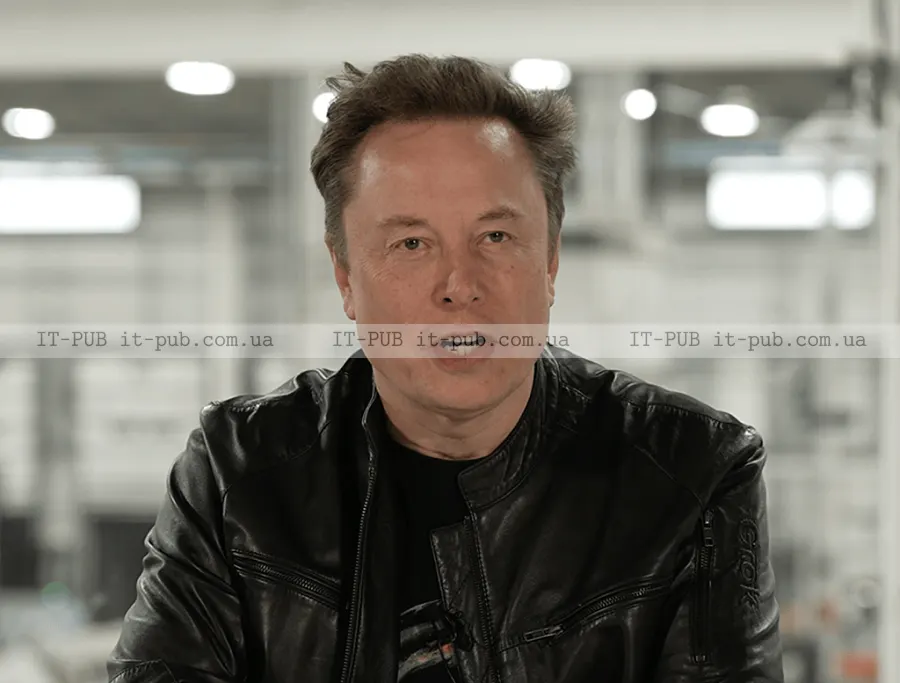
The Apollo-backed lease will fund AI chips and server gear over several years as SpaceX ramps up compute for Grok and cloud services.
SpaceX has disclosed a binding commitment for about $40 billion in financing tied to AI chips and related data center equipment. The deal, filed with regulators on Monday, is being described by the company as the largest committed GPU financing to date.
The arrangement gives SpaceX a new way to pay for the hardware behind its fast-growing AI push. Rather than relying only on traditional borrowing, the company plans to have Apollo-managed financing buy the equipment and lease it back over several years. As IT-PUB News notes, the filing frames this as a major piece of SpaceX’s broader compute expansion.
Apollo will purchase the hardware and lease it back
Under the agreement, an entity managed by Apollo Global Management will purchase the chips and server hardware needed for SpaceX’s AI infrastructure. SpaceX will then lease that equipment for roughly five to five-and-a-quarter years.
Those lease terms begin when each batch of hardware is delivered. The filing says SpaceX expects the deal to close by the end of the year, though that still depends on closing conditions being met.
The leases are expected to start in the first half of 2027, when the GPUs and related equipment arrive. That structure gives SpaceX access to the hardware it needs while spreading the financing burden over time.
SpaceX ties the deal to a larger AI expansion
The company said the financing supports its growth plans and broadens its funding sources. SpaceX CFO Bret Johnsen said in a statement that the lease “diversifies our funding sources” and covers a significant part of the money needed for those plans.
Johnsen also said SpaceX is seeing “less than one-year payback periods” on its AI infrastructure investments as it scales compute for Grok and its cloud services. That suggests the company believes the spending is paying off quickly, even as the cost of expansion climbs.
Apollo said the financing will help deliver Nvidia’s next-generation Vera Rubin chips for SpaceX’s “terrestrial compute buildout.” The filing does not add more detail on that expansion, but it does show that SpaceX is continuing to pour money into AI infrastructure alongside its Starlink and launch businesses.
SpaceX’s AI business is becoming a bigger revenue driver
The financing follows a strong third quarter for SpaceX’s AI business. According to the source text, that segment — which includes the Grok chatbot, the Cursor coding tool and SpaceX’s cloud compute business — beat investor expectations.
It also brought in $7.6 billion of SpaceX’s $14.6 billion in revenue for the quarter, more than Starlink and rocket launches combined. That marks a notable shift in the company’s business mix, even though SpaceX is still best known for rockets and satellite internet.
Spending, meanwhile, has risen sharply. Capital expenditures climbed to nearly $20 billion from $6.9 billion a year earlier as SpaceX moved to expand its compute footprint. On its Oct. 20 earnings call, Johnsen said the company expects to spend $35 billion to $40 billion in the fourth quarter alone.
The financing arrives as AI infrastructure funding gets tougher
The deal comes after a difficult stretch for AI infrastructure companies in the debt markets. Investors have grown more uneasy about the scale of capital spending and the lack of clear profits at many of these businesses.
That gives the SpaceX transaction extra weight — not just because of its size, but because the company was able to secure it in a more cautious market. The source says SpaceX had no trouble tapping Wall Street, even as financing conditions have become tougher for companies focused mainly on renting out GPU capacity.
Musk used the announcement to draw a contrast with “pure-play” AI compute rivals. He pointed to SpaceX’s investment-grade status and the steady cash flow from Starlink and rocket launches, arguing that debt markets have become much less welcoming to companies without large revenue streams beyond AI data centers.
In a post on X, Musk said that more than 200 neocloud companies built only to rent out GPUs for AI workloads could face heavy consolidation. He wrote that many would not survive, though some would.
The statement captures a broader tension in the AI infrastructure market. Large companies with diversified revenue may still be able to finance massive compute buildouts, while smaller players built around a single model can face a much harder path as costs keep rising.