PHP flaws prompt urgent warning for site owners
Website operators were told to patch affected PHP systems at once or take sites offline, reviving concerns about aging web infrastructure.
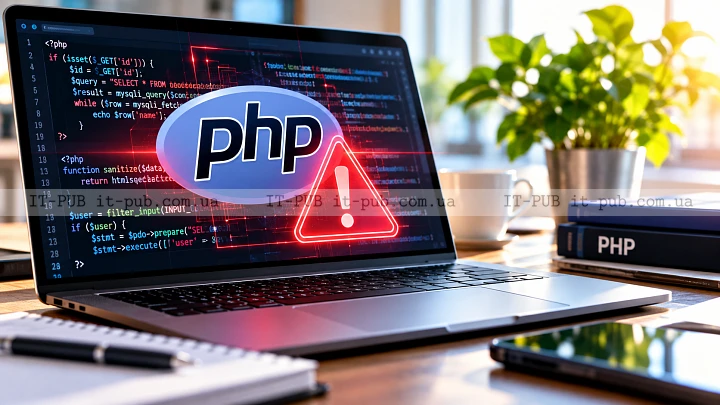
A newly disclosed set of vulnerabilities in PHP has triggered an urgent warning for website owners: patch immediately, or take affected sites offline if they cannot update in time. The alert stands out because PHP sits deep in much of the web’s infrastructure, and the episode has renewed concerns about how fragile some parts of the internet remain.
The problem is not just the flaw itself, but what it reveals about the scale of the issue. PHP has been used for decades, and many site owners may not even realize their websites depend on it. That makes any response harder, especially when the safest option in some cases is to shut a site down rather than leave it exposed.
PHP's deep role in the web drew extra attention
The alert focused on vulnerabilities in PHP, an open source programming language that underpins a large share of websites. In a discussion on TechCrunch’s Equity podcast, the hosts described PHP as a core ingredient behind content management systems such as WordPress and Drupal, which together power a huge portion of the web.
That reach is what made the disclosure so notable. According to IT-PUB News, the vulnerabilities were described as having existed for decades but were discovered only recently. Once they were found, they had to be disclosed so patches could be distributed, even though that also gives attackers a clearer target.
Sean O’Kane called it a “real reckoning moment,” arguing that the web’s lower layers are often held together by very fragile systems. The concern goes beyond one bug. It is also about how much of the internet depends on older open source software that many people rarely think about until something breaks.
Website owners were told to patch or go offline
The guidance that followed the disclosure was unusually blunt. Website owners were told to update immediately, and if they could not do so right away, they were advised to take their sites down for safety.
That advice underlines the severity of the risk. In many cases, software vulnerabilities can be handled quietly by a limited group of administrators. Here, the problem is much wider because PHP is embedded across millions of websites, including many that do not have dedicated security teams.
Anthony Ha said this creates a panic-prone situation: once the vulnerability is public, everyone who depends on the software is forced to react fast. For some organizations, especially smaller ones, that can mean choosing between staying online and staying safe.
AI tools add pressure to vulnerability response
The episode also drew notice because it arrived at a time when large language models and AI agents are becoming more widely available. Sean O’Kane argued that this makes it easier for more people to search for weaknesses in software and to automate attacks.
He also stressed that the PHP vulnerabilities in question were found by human researchers, not by AI models. Still, the broader concern is that AI tools can lower the barrier on both sides of cybersecurity: defenders can use them to find problems, while attackers may use them to exploit flaws more quickly.
The podcast discussion suggested that this could change the pace of security incidents. Instead of isolated discoveries handled by a small number of specialists, the internet may face more frequent races between disclosure, patching, and exploitation.
Big organizations and smaller operators face different realities
The reaction described in the conversation also showed a clear divide between large organizations and everyone else. Sean O’Kane pointed to companies with strong security resources that can monitor threats, run decoy systems, and respond quickly. Amazon was mentioned as one example of a well-capitalized company that could detect attempts to exploit the vulnerability before public announcement.
Many other websites do not have that level of protection, including government sites and smaller operators. That gap is part of what made the situation feel especially serious. The organizations with the most resources can move quickly, while others may struggle to patch in time or even determine whether they are affected.
Kirsten Korosec said many site owners may not realize they are using PHP at all. That makes this broader than a typical software update. If the underlying technology is invisible to a website operator, the first sign of trouble may be a security warning demanding immediate action.
Temporary shutdowns could leave lasting gaps
Korosec also pointed to another consequence that can be easy to miss: link rot. If websites are taken offline while owners try to secure them, some pages may disappear permanently or become inaccessible for a period.
That matters not only for businesses, but also for public information, community sites, and government pages. A temporary shutdown may be the safest option, yet it can still create gaps in access to material people rely on or that carries historical value.
The discussion suggested this episode could leave a wider digital footprint than a typical security alert. It may not only expose weak infrastructure. It may also force organizations to decide whether keeping a site online is worth the risk of leaving it vulnerable.
The PHP alert exposed the web's hidden weak points
The broader lesson from the PHP incident is that much of the internet depends on software layers most users never see. When those layers are exposed, the effects can spread quickly across websites, businesses, and public services.
The podcast conversation did not offer a simple fix. Instead, it pointed to a collision between old infrastructure, fast-moving disclosure, and AI-assisted attack methods. That means more pressure to patch quickly, more risk of sites going offline, and more strain on organizations that do not have the resources to keep up.
For now, the PHP warning is a reminder that some of the web’s most important systems are also the least visible. When they fail, the consequences can extend far beyond the code itself.