Cybersecurity Helps Protect Digital Life
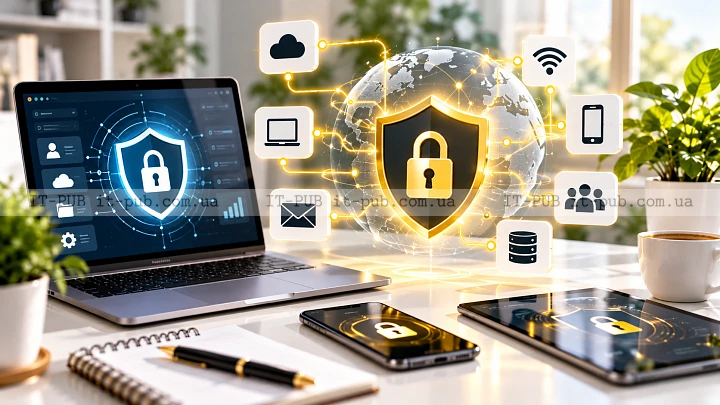
Cybersecurity is now a basic part of digital life. It helps protect devices, networks, accounts, and data from attacks, misuse, and accidental exposure. For businesses, that means keeping services available and information secure. For individuals, it lowers the risk of fraud, identity theft, and data loss.
The core idea is straightforward, even if the field is wide. Cybersecurity is about reducing risk in a world that runs on connected systems. Email, cloud services, mobile apps, payment platforms, and internal company networks all depend on it.
What cybersecurity really covers
Cybersecurity is often reduced to protection from hackers, but that is only one piece of it. It also involves defending against malware, phishing, weak passwords, unsafe software, insider mistakes, and system failures that can expose sensitive information.
It helps to think of cybersecurity as a set of layers. One layer protects the device. Another protects the network. Another focuses on the data itself. When those layers support each other, it becomes much harder for attackers to do real damage.
That is also why cybersecurity is not just an IT concern. It shapes business operations, customer trust, privacy, and legal compliance. A small error in one area can easily turn into a bigger problem somewhere else.
Why cyber threats keep growing
Digital systems are attractive targets because they hold money, personal data, and access to important services. Attackers may be driven by profit, disruption, espionage, or simple curiosity. Some go after easy opportunities. Others look for technical gaps or human error they can exploit.
A big reason cyber threats keep working is that many attacks do not require advanced methods. A convincing phishing email, a reused password, or an outdated system can be enough. Often, attackers are not forcing their way in. They are taking advantage of a door that was left open.
That is why cybersecurity depends on both technology and behavior. Strong software matters, but people still need to spot suspicious activity and follow safe practices.
The main types of cyber risk
Cyber risk takes many forms, but some threats appear again and again.
Malware is harmful software built to damage systems, steal data, or give attackers control. It can spread through downloads, email attachments, fake updates, or infected websites.
Phishing relies on fake messages or websites that trick people into giving up passwords, payment details, or other sensitive information. It often works because it closely imitates trusted organizations.
Ransomware locks files or systems and demands payment to restore access. It can disrupt companies, hospitals, schools, and public services by cutting them off from critical data.
Data breaches happen when information is accessed without permission. That may include customer records, login details, financial data, or private communications.
Account compromise happens when someone gets into an account by stealing credentials or bypassing security checks. Once inside, they may send messages, change settings, or move deeper into a system.
These threats affect both individuals and organizations. The main difference is usually scale. One compromised account may be a headache for a single user, but inside a company it can turn into a serious incident.
Why human behavior matters so much
Technology on its own cannot solve cybersecurity problems. People still click links too quickly, reuse passwords, ignore warnings, or approve requests without checking them properly. Attackers count on that. Many cyber threats target trust and routine more than software flaws.
Good security awareness changes the outcome. It helps people pause before acting, verify unusual requests, and notice when something feels off. That matters at work and at home.
Simple habits can prevent a lot of damage. Checking the sender of an email, confirming payment instructions through another channel, and using unique passwords will block many common attacks. None of this is complicated.
But it works.
How organizations build stronger defenses
For companies, cybersecurity usually comes from several connected practices rather than one big solution. Access control is one of the most important. People should only have the permissions they actually need to do their jobs. If access is too broad, one stolen account can do far more harm.
Patching and software updates are just as important. Security flaws are found all the time, and updates often fix them. Delays leave systems exposed longer than they need to be.
Backups are another critical part of information security. If files are locked by ransomware, deleted by mistake, or damaged by a system failure, backups may be the only realistic way to recover quickly. They need to be stored safely and tested regularly, not created once and forgotten.
Monitoring adds another layer. Security teams look for unusual logins, strange network traffic, or changes in system behavior. The goal is to catch problems early, before they spread through the environment.
Training matters too. Employees who understand common attacks are less likely to make risky decisions. Security awareness is not about making people anxious. It is about helping them act with more confidence and care.
Cybersecurity for individuals and families
Cybersecurity is not only for large organizations. Everyday users face many of the same risks, just on a smaller scale. Phones, laptops, home Wi‑Fi, smart devices, and online accounts all need some level of protection.
One of the simplest places to start is passwords. Important accounts should each have a unique password. Reusing the same one across multiple services creates unnecessary risk, because a single breach can expose several accounts at once.
Multi-factor authentication adds another layer by requiring a second check, such as a code or app confirmation. That makes it harder for attackers to sign in even if they already know the password.
Device security matters too. Operating system updates, screen locks, antivirus tools where appropriate, and careful app installation all reduce risk. Public Wi‑Fi calls for caution, especially when the task involves banking, work access, or other sensitive activity.
Families may also want to review privacy settings, child accounts, and safe browsing habits. The point is not to make everyday life harder. It is to make common attacks less likely and less damaging.
The role of data protection
Data is often the real target in a cyber incident. That is why cybersecurity and data protection are so closely linked. Protecting data means controlling who can access it, where it is stored, and how it moves between systems.
Sensitive data should be encrypted both at rest and in transit. Encryption turns readable information into a protected form that is much harder to misuse without the correct key.
Companies also need to classify data properly. Not every type of information carries the same level of risk. Public content, internal documents, customer records, and financial data should not all be handled in the same way. Clear rules make it easier to protect the most important data first.
Good data protection also includes retention policies. Keeping information forever increases risk. If data is no longer needed, it should be removed securely.
Common security tools and what they do
Many cybersecurity tools support the same basic goals: prevent attacks, detect them early, and limit the damage when something gets through.
Firewalls help control traffic between networks or devices. They work like filters, allowing approved connections and blocking suspicious ones.
Antivirus and endpoint protection tools look for malicious software and unusual behavior on devices. They are not perfect, but they remain an important layer.
Identity and access management tools help confirm who a user is and what they are allowed to do. These systems support secure logins, permission control, and account review.
Security information and event management tools collect logs and alerts from many systems. They help security teams see what is happening across a network security environment.
Email security tools try to stop phishing, malicious attachments, and harmful links before they reach users. Since email is still a common attack path, this layer matters.
No single tool can stop every threat. Cybersecurity works best when tools are backed by good processes and users who know what to watch for.
What a practical security mindset looks like
A strong cybersecurity mindset is not about paranoia. It is about steady caution and consistent habits. It means treating digital trust carefully and verifying important actions before they turn into problems.
A practical mindset usually comes down to a few simple ideas. Unexpected messages may need checking. Passwords should be treated as valuable. Software should stay current. Important files should be stored safely. Suspicious activity should be reported early.
It also means accepting that security is never truly finished. Risks change as systems change. New services are added. Old ones are retired. Attackers adjust their methods, and defenses have to adjust too.
For individuals, that may mean reviewing account settings and updating devices regularly. For organizations, it may mean testing incident response plans, improving training, and reassessing access permissions.
How cybersecurity supports trust
People rely on digital systems because they are convenient. They pay bills online, share files, work remotely, shop, communicate, and store personal information in cloud services. None of that works well without trust.
Cybersecurity helps create that trust. It gives users more confidence that their data is handled responsibly and that systems will stay available when needed. It also helps businesses protect their reputation and avoid costly disruption.
Trust is fragile in digital environments. One serious incident can affect customers, partners, and employees at the same time. So cybersecurity is not only about stopping attacks. It is also about preserving reliability and supporting online safety.
Building better habits over time
The most effective security improvements are often gradual. A company might begin by tightening password policies and enabling multi-factor authentication. Later, it may strengthen backups, review access rights, or improve staff training. An individual may start by securing email and banking accounts, then move on to device updates and safer browsing habits.
These changes do not need to be dramatic to matter. Small improvements, applied consistently, can make a significant difference over time.
Cybersecurity works best when it becomes part of normal behavior instead of an afterthought. When people understand the risks and use sensible protections, digital life becomes safer and easier to manage.
In the end, cybersecurity is about reducing avoidable harm. It protects information, supports continuity, and helps people use technology with more confidence. That makes it a practical necessity, not just a technical specialty.