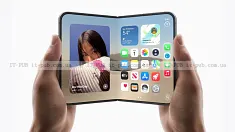
John Ternus puts the iPhone at Apple’s center

In his first keynote as Apple CEO, John Ternus cast the iPhone as the company’s AI hub, reviving a strategy long associated with Steve Jobs.
Apple CEO John Ternus used his first keynote to make one point unmistakably clear: the iPhone remains central to Apple’s future. Rather than treating it as a product nearing the end of its run, he presented it as the company’s “intelligent personal hub” for the AI era. The message pushes back against doubts about the iPhone’s long-term role. It also marks a noticeable change in tone from former CEO Tim Cook.
Cook often emphasized that Apple was more than a company built around one device. Ternus is taking a different approach. He is leaning directly into the iPhone’s importance.
Ternus pushes back on claims the iPhone is fading
During Wednesday’s keynote, Ternus said there is no better device in the world to serve as a personal hub than the iPhone. His remarks answered growing speculation that smartphones could eventually lose their central place in everyday computing.
The source points to headlines arguing that the “smartphone’s days are numbered” and that Apple faces an existential challenge in figuring out what comes after the iPhone. Ternus rejected that framing. He presented the iPhone not as a product waiting to be replaced, but as the foundation of Apple’s next phase.
That matters for users and for the market. For millions of people, the iPhone is already the device they carry everywhere and depend on most. Apple’s argument is that this is not a limitation — it is an advantage, especially as more computing shifts onto the device itself.
Apple ties its AI strategy to the iPhone
Ternus’ pitch was not just about hardware. He connected the iPhone to Apple’s “intelligent personal assistant” strategy, which could shape the company for years.
He described the ideal hub as a device with a powerful processor, high-resolution cameras, persistent networking, and on-device AI. In practice, Apple is saying the iPhone already brings those capabilities together in one portable product.
That is especially relevant in the AI era, where many tools need substantial computing power. As IT-PUB News notes, the source describes the iPhone as one of the most powerful personal computing devices available, giving it an advantage as more features move onto the device rather than staying in the cloud.
For users, that could mean Apple is betting on a future where the phone becomes even more central to daily tasks. For Apple, it points to a strategy built around strengthening the device people already own instead of pushing them toward an entirely new category.
Ternus echoes Steve Jobs’ 2001 playbook
The comparison with Steve Jobs is deliberate. The source draws a direct line between Ternus’ approach and Jobs’ strategy in 2001, when he defended the Mac at a time many believed the PC was losing relevance.
At Macworld New York, Jobs argued that the PC was not dying but changing. He said Apple saw it entering a new stage, with the Mac acting as a “digital hub” for devices such as camcorders, digital cameras, and DVD players.
That strategy helped set the stage for the later launch of the iPod, which became a major hit and eventually helped lead Apple toward the iPhone. The parallel here is hard to miss: Ternus is defending the iPhone much as Jobs once defended the Mac.
There is still an important difference. Apple is not talking about a future replacement in the same way Jobs later introduced the iPod. The source does not say Ternus is preparing an “iPod-like” device of his own. What it does show is that he is publicly rejecting the idea that the iPhone is in decline.
Apple bets on the device people already rely on
Apple’s case is strengthened by the iPhone’s mix of power and portability. The source says many people can manage with the iPhone alone, while even those who also use laptops or iPads often treat the phone as the one device they cannot do without.
That kind of everyday dependence gives Apple a strong position as AI becomes more important. Other companies have tried to challenge the iPhone with wearable devices, but the source says none have succeeded.
By putting the iPhone front and center instead of sidelining it, Ternus is making a practical argument. The device already sits at the middle of many people’s digital lives, which makes it a natural place for new AI features rather than something Apple needs to abandon for the next trend.
The broader implication is straightforward. Apple is not signaling a rush to replace the smartphone. It is framing the iPhone as the platform for its next wave of computing — a choice that suggests continuity for consumers and a clear bet on the product that still anchors the company.