Apple’s iPhone Duo gains attention through apps
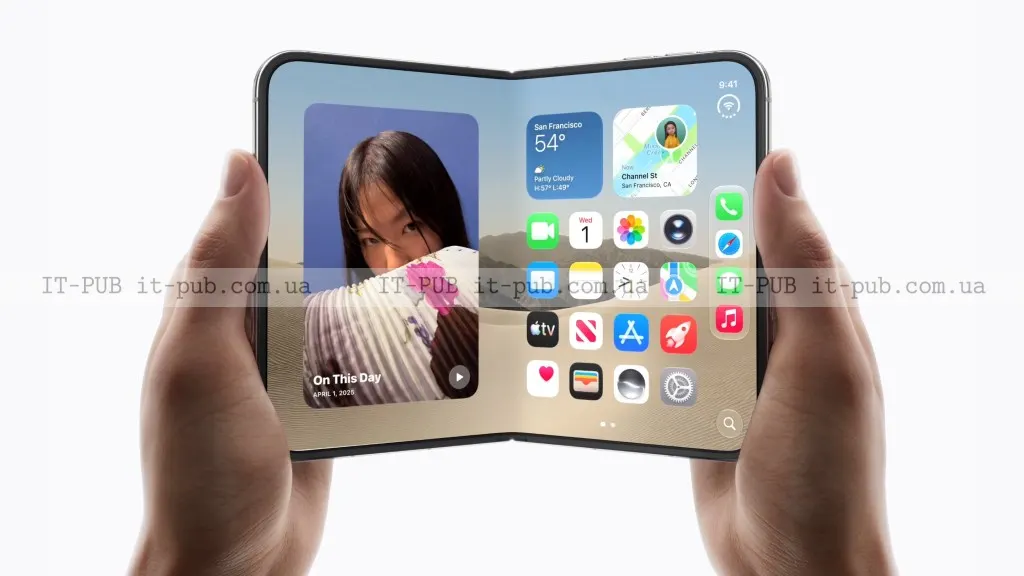
Developers are already building around the Duo’s foldable design, even as many mainstream iOS apps still look awkward or need extra taps.
The iPhone Duo is getting attention for more than its foldable hardware. The phone starts at $2,000, and many mainstream iOS apps still show compatibility gaps, but developers are already using its unusual design to create experiences that would not work on a regular iPhone.
That is a big part of what makes the device stand out at this early stage. Instead of looking like just another expensive upgrade, the Duo is starting to look, at least for some developers, like a new canvas for apps that feel playful, practical, or both.
Apple’s foldable phone still has rough edges
The source text makes clear that the iPhone Duo is far from a finished story. Many everyday iOS apps were not optimized for it at launch, leaving some boxed in by black bars, with awkwardly placed controls or extra taps needed to enlarge them.
That kind of mismatch is familiar from earlier mobile software transitions. Here, though, it matters more, because the Duo’s appeal depends heavily on how well apps use its folding design. A foldable phone is only as useful as the software built for it, and right now the launch experience is uneven.
Even so, the device has already sparked curiosity. Part of the appeal is the shift between a compact outer screen and a larger inner display — a break from the standard rectangular phone format that has dominated for years.
Developers are turning the fold into part of the app
The biggest reason the Duo is getting noticed is the growing wave of Duo-optimized apps. Apple highlighted several partners at launch, including Netflix, MLB, NYT Cooking, Slack, Fantastical and others, but the more interesting examples do more than simply resize for a larger screen.
Netflix, for example, uses the outer screen for short-form “Clips,” then lets users unfold the device and continue watching on the larger inner display. The app is meant to adapt automatically as the screen changes.
Other apps take the same basic idea in more playful directions. Deck-Man, formerly Duo-Man, turns the phone into a retro-style music player inspired by cassette Walkmans. TypeDraw makes the Duo feel more like a notebook, with handwriting fonts, paper styles and sketching tools. Wakeout changes its interface depending on whether the phone is closed, open, in tent mode or positioned like a laptop.
These are not just visual flourishes. As IT-PUB News notes, they show developers treating the Duo’s two displays as separate spaces with different roles, rather than one screen that simply grows or shrinks.
Some apps make the Duo feel like another device
A few of the apps described in the source text go further and make the Duo feel like something other than a phone.
Flighty uses the larger display to spread out flight information and a globe view, while also supporting split screen. It also adds a Duo-specific En Route Mode, designed for tent mode on a tray table, so users can follow their trip while doing something else.
Tiny Computers moves in the opposite direction and leans into nostalgia. The app includes 10 retro systems, from the Macintosh and Commodore 64 to Windows XP, and is built around the Duo’s open, laptop-like position. It also adds a game element with hidden files and secret commands, and it sells for a one-time fee of $3.99.
Sky Guide and MD Vinyl also benefit from the larger screen. One becomes more immersive for stargazing, while the other gives the virtual record player more room to work. Pico Cam, which already played with the iPhone’s Dynamic Island, now supports both open and closed use, with more space for the photo gallery when the device is folded open.
The pattern is straightforward: these apps are not just adjusting to the Duo. They are trying to make the fold itself part of the experience.
Novelty and utility are shaping the Duo’s identity
The app lineup also shows a notable split in how the Duo may be used. Some apps are clearly practical, including Netflix, Flighty, Wakeout and Sky Guide. Others are deliberately silly, like Toastie, which turns the phone into what it jokingly calls “the world’s most expensive toaster.”
That mix helps explain why the Duo is drawing attention now. It is not only a productivity device or a luxury gadget. It is also a platform for novelty, nostalgia and experimentation.
The source text suggests that this could matter as much for Apple’s software ecosystem as for the hardware itself. Apple’s developer community is described as active and creative, and early adopters often try new iOS apps first. If that continues, the Duo may build a stronger identity than simply being a foldable version of an existing model.
There is still a practical risk in this early stage. If major apps remain unoptimized, the device may feel incomplete to many buyers. For now, the Duo’s strongest case is not that it replaces the standard iPhone, but that it opens the door to a different kind of app design.
The result is a phone that remains imperfect, but already feels more distinctive than the incremental upgrades many users have come to expect. For Apple, that may be enough to make the iPhone Duo one of its most interesting launches in years.