Florida and Texas cut ties with Flock cameras
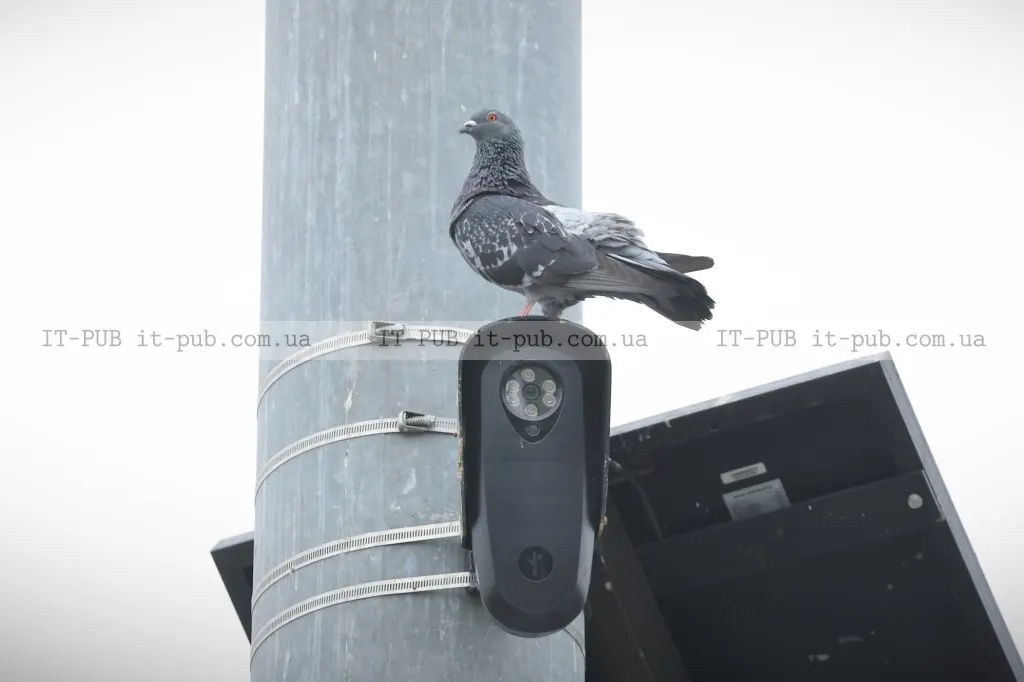
Florida will remove cameras from state highways within 30 days, while Texas has told state agencies to stop funding the system.
Florida and Texas are moving to distance themselves from Flock, the surveillance company behind widely used license plate readers. Florida’s transportation department says it will stop using the cameras on state highways, while Texas has ordered state agencies to stop funding them. Both moves come amid concerns about privacy, misuse of police access, and broader surveillance practices. Together, they add pressure to a company already facing growing scrutiny.
The shift matters because Flock’s cameras are used across the U.S. and sit at the center of a wider argument over how much tracking technology should be allowed in public spaces. Supporters view the systems as useful tools for law enforcement. Critics argue they can be misused, weakly controlled, or expanded beyond their original purpose.
Florida will remove cameras from state highways
Florida’s Department of Transportation said in a Monday memo that it will end the use of license plate readers across the state’s highways, including Flock’s cameras. The agency cited “concerning reports of misuse, data privacy concerns, and surveillance schemes.”
The state now has 30 days to remove the cameras.
The decision followed public criticism from Governor Ron DeSantis, who called the license plate reading technology “out of control” during a press conference last Wednesday. That comment made clear the issue had moved beyond a technical or administrative matter and into a broader political debate.
For residents, the change could affect how traffic and vehicle monitoring is handled on state roads. For Flock, it marks another public setback in a state where its cameras had been part of highway surveillance.
Texas points to alleged abuse of Flock access
Texas took a similar step last week, ordering state agencies to stop funding Flock cameras. Governor Greg Abbott’s office said the decision was tied to abuse of the surveillance system, including a recent indictment of a Lufkin, Texas police officer.
According to the source text, the officer faces 100 felony counts related to allegedly searching Flock’s database to track people without authorization. As IT-PUB News notes, that case became a central example for Texas officials as they explained the move away from the company.
Abbott’s office did not say which agencies would be affected. Local media, however, reported that Dallas could be broadly affected because officials say there are hundreds of Flock cameras operating throughout the city.
That leaves a practical question for local governments and agencies that have relied on the cameras: how quickly they can adjust, and whether any existing systems will remain in place through other arrangements.
Privacy concerns now extend beyond license plates
The backlash against Flock is not limited to Florida and Texas. The source describes rising bipartisan concern over privacy and civil liberties, driven by several separate reports.
Those reports include cybersecurity issues, cases in which police allegedly abused access to Flock’s database to stalk ex-partners, and accuracy problems that have led to police stops and wrongful arrests. The company is also said to be moving beyond scanning license plates alone and toward identifying and tracking people.
That shift appears to be one reason the controversy has intensified. License plate readers already raise questions about where data is stored, who can access it, and how long it is kept. If the technology expands from vehicles to people, the stakes for privacy and public trust become higher still.
The concerns go beyond law enforcement conduct alone. They also involve how surveillance systems are designed, who controls them, and whether safeguards are strong enough to prevent misuse.
Communities challenge Flock’s local presence
Flock currently has around 130,000 license plate readers across the United States, giving the company a large footprint even as criticism grows. The source says many communities have pushed back because residents do not want the cameras in their neighborhoods.
In some places, that resistance has turned into conflict over whether local decisions are being respected. Several towns, including Evanston, Illinois, Cambridge, Massachusetts, and Eugene, Oregon, said Flock reinstalled or reactivated cameras even after local officials had terminated their contracts with the company.
That adds another layer to the dispute. The issue is no longer only whether the technology should be used, but also whether companies and local authorities are aligned on where and how it remains active.
For communities, the concern is straightforward: surveillance tools placed in public spaces can change how people feel about movement, privacy, and everyday life. For cities and states, the challenge is balancing policing needs with limits that residents are increasingly demanding.
Flock faces a broader trust problem
The decisions in Florida and Texas suggest Flock is dealing with more than isolated contract disputes. The company is now facing a wider trust problem shaped by concerns over misuse, privacy, accuracy, and the overall scope of surveillance.
The source text does not say how Flock plans to respond to the state actions. TechCrunch asked the company whether it would allow Florida and Texas to remove the cameras, or whether it plans to reinstall or reactivate them elsewhere. A Flock spokesperson did not respond.
That leaves the immediate dispute unresolved. But the pressure on governments is clear: they are being pushed to show that surveillance tools are being controlled, not simply deployed. As more officials and communities scrutinize Flock’s systems, the debate remains centered on a basic issue — how much monitoring people are willing to accept in the name of security.