Federal judge says Flock search was unconstitutional
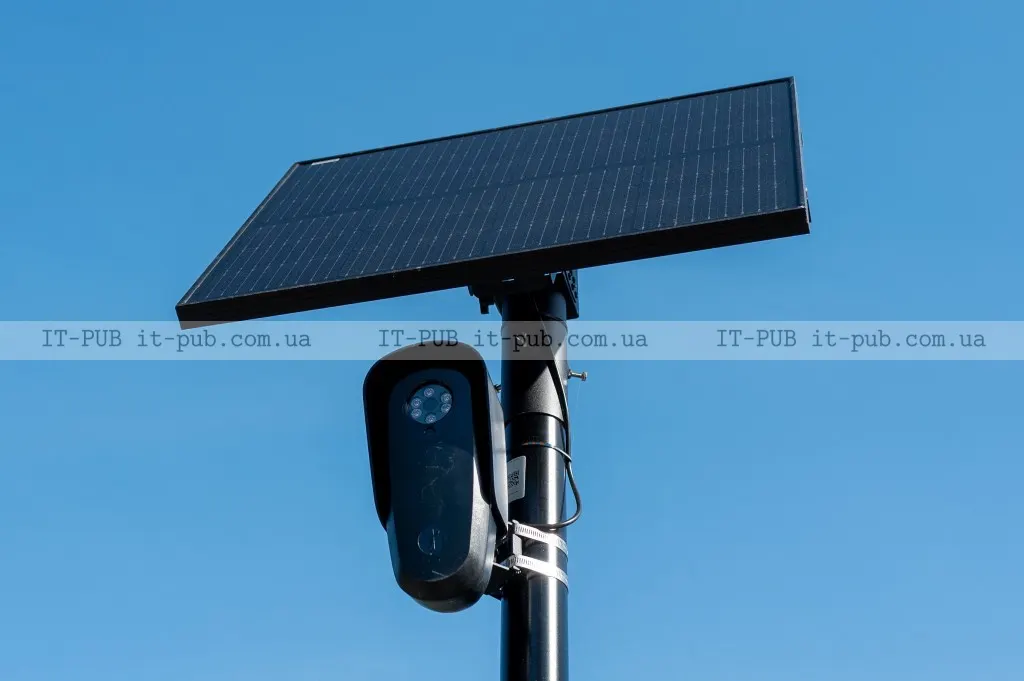
A Tulsa deputy searched a woman’s license plate history in Flock without a warrant, and the judge said later evidence must be suppressed.
A federal judge has ruled that a Tulsa, Oklahoma, sheriff’s deputy violated a woman’s Fourth Amendment rights by using Flock Safety to look up her license plate without a warrant. The decision does not create binding precedent, but it appears to be one of the first times a federal judge has found a Flock search unconstitutional.
The ruling adds to criticism of automated license plate readers, which track vehicles by collecting data from cameras linked across a network. In this case, Judge Sara Hill said the deputy had “no apparent reason” to search the database other than the fact that the woman’s car had a California license plate. As IT-PUB News notes, that point became central to the court’s reasoning.
The warrantless Flock search in the Tulsa case
According to the ruling described by 404 Media, the deputy used Flock to search for the woman’s travel history and then relied on that information as part of the basis for searching her car. That search allegedly led to the discovery of 91 pounds of meth.
Judge Hill said the warrant should have come first. She wrote that evidence obtained after the Flock search “must be suppressed as the fruit of a poisonous tree,” meaning the later evidence was tainted by the initial unconstitutional search.
A key part of her reasoning was the lack of any specific basis to single out the woman before the search. In Hill’s view, the deputy did not have a proper reason to access the data simply because the plate was from out of state.
Judge Hill warns about broader location tracking
Hill’s ruling did not stop with the facts of one case. She also challenged the broader practice of warrantless database searches, writing that tracking people’s location, even in public, becomes “constitutionally problematic” when law enforcement can “indiscriminately and passively catalog your whereabouts over an extended period of time” and then use that information whenever convenient.
She described the system as “indiscriminate mass surveillance,” arguing that it is not focused on one person at a time. Instead, she said, it collects information about all vehicles passing any network-connected camera and makes that data available to police on demand.
The judge compared the issue to Carpenter v. United States, a Supreme Court case about government access to cellphone location data, while also stressing that the Flock system works differently because it gathers vehicle information from a broad camera network.
Flock faces pressure from lawmakers and local governments
The ruling arrives as Flock faces pushback from across the political spectrum. Several local and state governments, including Florida and Texas, have said they will stop using the technology.
The issue is also reaching Washington. On Friday, Senator Bernie Sanders introduced the Block Flock Act, a proposal that would bar federal agencies from using automated license plate readers such as Flock.
That has turned the dispute into a wider argument over where to draw the line between public safety and privacy. Supporters say the technology can help police investigations. Critics argue the same tools can become a large-scale tracking system with little oversight. Hill’s ruling gives those critics a new legal foothold, even if the decision itself is limited to this case.
Flock’s response and the business impact
Flock CEO Garrett Langley has previously called for a “compromise” between privacy and safety. He has also apologized to women who were stalked by law enforcement officers using the Flock system.
The company is also feeling the backlash in its business. With cancellations reportedly mounting, Flock has offered voluntary employee buyouts as a way to reduce its workforce.
For now, the Tulsa ruling does not settle the broader legal fight over automated license plate readers. Still, it adds judicial weight to the argument that warrantless access to this kind of location data can cross a constitutional line — and could bring closer scrutiny to how police use Flock and similar systems.