Americans now oppose Flock license plate cameras
A new YouGov survey finds opposition has moved ahead of support as privacy concerns, police misuse reports, and local backlash keep growing.
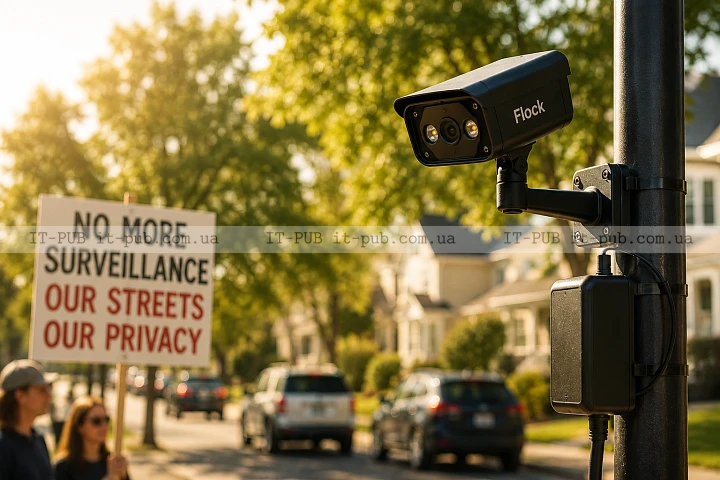
More Americans now oppose Flock’s license plate reader cameras than support them, according to a new YouGov survey shared exclusively with The Washington Post. That marks a clear shift from last year and lands as Flock faces growing criticism over how police use its surveillance tools. The change matters beyond one company: Flock says it operates more than 120,000 license plate readers across the U.S. For communities weighing safety claims against privacy concerns, the debate is getting harder to ignore.
YouGov finds support has flipped
The YouGov survey, which questioned 20,000 people across the U.S., found that 46% of respondents opposed Flock’s surveillance cameras in their communities, while 38% supported them. Last year, most respondents said they were in favor.
The survey also found that more people said the cameras would not make them feel safer. According to IT-PUB News, that point is significant because support for this kind of technology often rests on the belief that it helps prevent crime or improve public security. If that confidence fades, backing can erode quickly.
The new results suggest the public conversation around license plate readers has changed. Supporters once framed them mainly as a practical public safety tool. Now they are increasingly being judged through a privacy lens.
Flock’s network is drawing more scrutiny
Flock has become one of the most visible names in surveillance technology in part because of the size of its network. That reach has also brought more scrutiny.
The company has been embroiled in controversy after reports that police abused the cameras’ surveillance capabilities. Those reports helped fuel backlash in several U.S. communities, where local officials rejected Flock’s cameras or canceled existing contracts over privacy concerns.
The argument is no longer just about the technology itself. It is also about trust — and whether the benefits outweigh the risk of misuse.
For residents, the concern is straightforward: license plate readers can track vehicles and, by extension, people’s movements. Critics say that creates a system that can be used too broadly or too aggressively, especially when safeguards are weak or poorly enforced.
Flock argues support remains, with conditions
When TechCrunch asked about the survey, Flock said there was wide support for its surveillance technology. At the same time, the company acknowledged that “support isn’t unconditional” and pointed to the rollout of recent safeguards.
That response suggests Flock recognizes the backlash even as it disputes the scale of the opposition. The company is trying to present the issue as a balance between surveillance and privacy, rather than a simple rejection of the cameras.
Critics remain unconvinced. The ACLU has said Flock’s new safeguards amount to little and argues that the company remains a major threat to civil liberties. That disagreement sits at the center of the controversy. Supporters say the technology can help law enforcement; opponents say the risk of overreach is too high, especially with the cameras deployed across so many communities.
Vandalism has pushed the fight beyond public meetings
The tension around Flock has moved beyond policy debates. Last week, CEO Garrett Langley called for a “compromise” between surveillance and privacy after a rise in vandalism targeting Flock cameras.
That matters because the backlash is no longer showing up only in surveys or local meetings. It is also affecting the hardware itself, a sign of how strongly some residents object to the cameras’ presence.
At the same time, Langley’s call for compromise suggests Flock wants to keep its systems in place while easing concerns about misuse. The latest survey indicates public support may be slipping, and the company is now under pressure from both critics and communities that have already decided to pull back.
For local governments, the issue is becoming more practical than abstract. Surveillance tools may come with promises of better policing, but they can also bring public resistance, canceled contracts, and fights over civil liberties. Flock’s cameras are increasingly becoming a test case for how far surveillance can spread before public trust starts to give way.