What Is SEO and Why It Still Matters
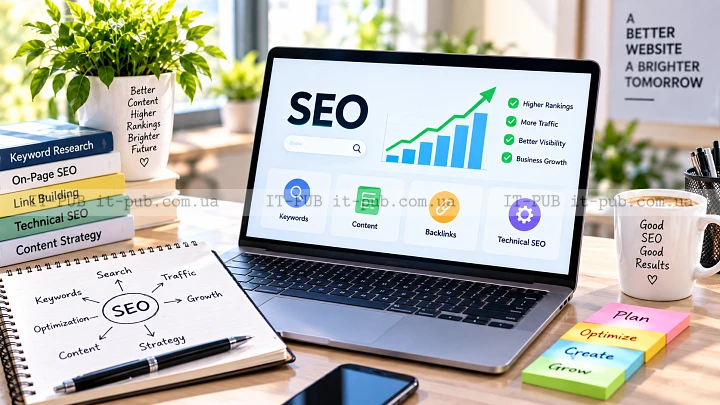
What is SEO, and why do some pages show up near the top of search results while others barely get seen? In simple terms, SEO means improving a website so search engines can understand its pages, index them properly, and decide when to show them. It is not a loophole, and it is not something you set up once and forget. It is a long-term way to make useful content easier to find.
What SEO means in plain language
SEO stands for search engine optimization. At the most basic level, it is the process of improving a site so search engines can connect its pages with the people searching for them.
The concept sounds more technical than it really is. Search engines are trying to return results that are relevant, useful, and trustworthy. SEO helps a page signal that it belongs in that mix.
Good SEO is not about cramming keywords into every section. It is about making content clear, genuinely helpful, quick to load, easy to move through, and worth showing to users.
How search engines decide what to show
To understand how SEO works, it helps to look at the process in stages. Search engines first discover pages, then scan them and store what they find. After that, they decide which pages make the most sense for a given search.
They look at a wide range of signals along the way. That can include the words on the page, the structure of the content, links from other sites, loading speed, and signs that the page is actually useful. No single factor controls the outcome on its own.
That is also why search engine optimization is bigger than content writing. A page may be well written and still struggle if it is hard to crawl, messy to read, or poorly connected to the rest of the site.
Why search intent matters so much
One of the most important SEO basics is search intent, meaning the reason behind a query.
Some people are looking for information. Some want to compare options. Some are close to making a purchase, and others just need a fast answer. Search engines try to tell the difference and show pages that fit that need.
If a page misses the intent, it can have trouble ranking even when it includes the right terms. A deep guide may be perfect for someone learning a topic, but not for someone who wants a product page right now. In many cases, matching the format to the intent matters just as much as choosing the topic.
The core parts of SEO
SEO usually comes down to three broad areas: content, technical setup, and authority.
Content is what the page actually says and how well it meets the searcher’s need. Technical SEO covers how the site is built and whether search engines can access and interpret it correctly. Authority is the trust a page or site builds through signals like links, mentions, and reputation.
These areas support each other. Strong content can underperform if the technical foundation is weak. A technically polished site still needs pages people care about. And even excellent content benefits from signals that show it can be trusted in search.
On-page SEO starts with useful content
On-page SEO includes the elements on a page that help both users and search engines understand it. That means the main copy, headings, title tags, meta descriptions, internal links, and image descriptions.
The core of it is still the content itself. It should answer the topic clearly and with enough depth for the intended reader. That does not mean making every page as long as possible. It means covering the subject in a way that is complete, practical, and easy to follow.
Headings matter because they give the page shape. They break ideas into sections and make scanning easier. Shorter paragraphs, plain language, and concrete examples help too. When people can quickly understand what a page offers, they are more likely to stay with it.
Keywords still matter, but not in the old way
Keywords are the words and phrases people type into search engines. They still matter because they connect the language of the audience to the content on the page. But modern SEO is not about repeating the same phrase again and again.
A strong page uses its main topic naturally and includes related language where it fits. Search engines are much better at understanding context than they used to be, so they do not rely only on exact matches.
The safest approach is still the best one: write for the reader first. Use the words your audience would actually use. If the page covers the topic well, the relevant terms usually appear on their own.
Technical SEO keeps the site accessible
Technical SEO deals with the structure behind the content. Search engines need to crawl pages, understand them, and store them correctly. If something gets in the way, visibility in organic search can suffer.
Typical technical problems include broken links, duplicate pages, slow loading, weak mobile usability, and pages that are difficult to reach through site navigation. These issues make life harder for search engines and for users.
A clean site structure goes a long way. So does a sensible internal linking setup. When pages are connected logically, search engines can discover them more easily, and visitors can move through the site without getting lost.
Why page speed and mobile experience matter
Speed and mobile usability are not minor details. They shape the actual experience of using a site.
If a page takes too long to load, some visitors leave before they even start reading. If text is difficult to read on a phone or buttons are awkward to tap, the page becomes frustrating to use. Search engines pay attention to those signals because they say something about quality.
That does not mean every page has to be flawless. It means the site should work well on common devices and connections. A page that is fast, stable, and easy to use usually has a better chance than one that creates friction from the start.
Links help search engines judge trust
Links have been part of SEO from the beginning. When another site links to a page, it is effectively pointing to it as something worth visiting. Search engines can treat that as a sign of relevance or trust.
Not all links mean the same thing. A link from a respected and relevant site usually carries more weight than a random mention on an unrelated page. Internal links matter as well. They connect related content and help show which pages on a site are important.
Good link building is not about chasing volume. It is about earning links naturally through useful content, real relevance, and strong relationships.
SEO is not the same as ads
SEO and paid advertising are different channels. Ads buy placement. SEO earns visibility.
Paid search can bring traffic quickly, but that traffic usually stops when the spending stops. SEO tends to take longer, but it can build steady organic search visibility over time. Many sites use both, though they solve different problems.
SEO is often the more durable option for long-term growth. It also adds value to the site itself. A well-optimized page can keep attracting visitors long after it goes live.
What makes SEO work over time
SEO works best when treated as an ongoing process, not a one-off task. Search behavior shifts. Competitors publish new pages. Sites expand, merge sections, or remove content. Search engines also keep refining how they evaluate results.
So no site is ever completely finished from an SEO point of view. Pages need to be reviewed, updated, and improved when necessary. Old information, weak structure, and broken links can gradually drag performance down.
The strongest results usually come from consistency. Useful content, solid technical health, and a clear site structure tend to outperform short-term tactics.
Common mistakes that weaken SEO
A lot of SEO problems start when people try to write for search engines instead of for readers. Pages packed with awkward keyword repetition are unpleasant to read and often do not perform well. Thin content can struggle too, especially when it says very little.
Another common issue is poor site structure. If important pages are buried too deeply or not linked properly, they can be harder to discover. Duplicate content can also create confusion, especially when several pages target the same topic without a clear reason.
Some sites become too focused on rankings and forget the experience of the person visiting the page. In practice, search performance often improves when the page is genuinely useful. That remains one of the simplest truths in SEO.
How beginners can approach SEO sensibly
If you are new to SEO, it helps to start with the basics instead of trying to master everything at once. Pick a topic that matters to your audience. Create a page that answers it clearly. Use headings to organize the information. Make sure the page loads properly and works well on mobile.
Then look at how that page fits into the rest of the site. Add internal links where they make sense. Write descriptive titles. Keep the language natural. If the content is useful and the site is technically accessible, the page has a much better chance of being found.
Patience matters too. SEO is not immediate. Search engines need time to crawl, assess, and compare pages. Progress usually comes through steady improvement, not dramatic overnight changes.
SEO for businesses, publishers, and personal sites
SEO can help many different kinds of websites. A business may want more leads or better product visibility. A publisher may want readers for articles and guides. A personal site may be trying to build an audience or demonstrate expertise.
The goals are different, but the principles stay much the same. Search engines want to rank pages that meet real needs, are easy to access, and show enough trust to deserve visibility.
That is why SEO is not only for large brands. Smaller sites can compete when they focus on a clear niche, useful content, and a clean user experience.
The best SEO is built around usefulness
At its core, SEO is about helping the right page appear for the right search. Everything else supports that goal.
If a page is useful, easy to understand, and technically accessible, it already has a strong foundation. If it also matches intent and earns trust, it becomes much easier for search engines to recommend it.
That is why SEO still matters. It connects people with answers, products, and ideas through organic search. Done well, it serves the audience and the site at the same time.