Germany warns lawmakers after Apple spyware alerts
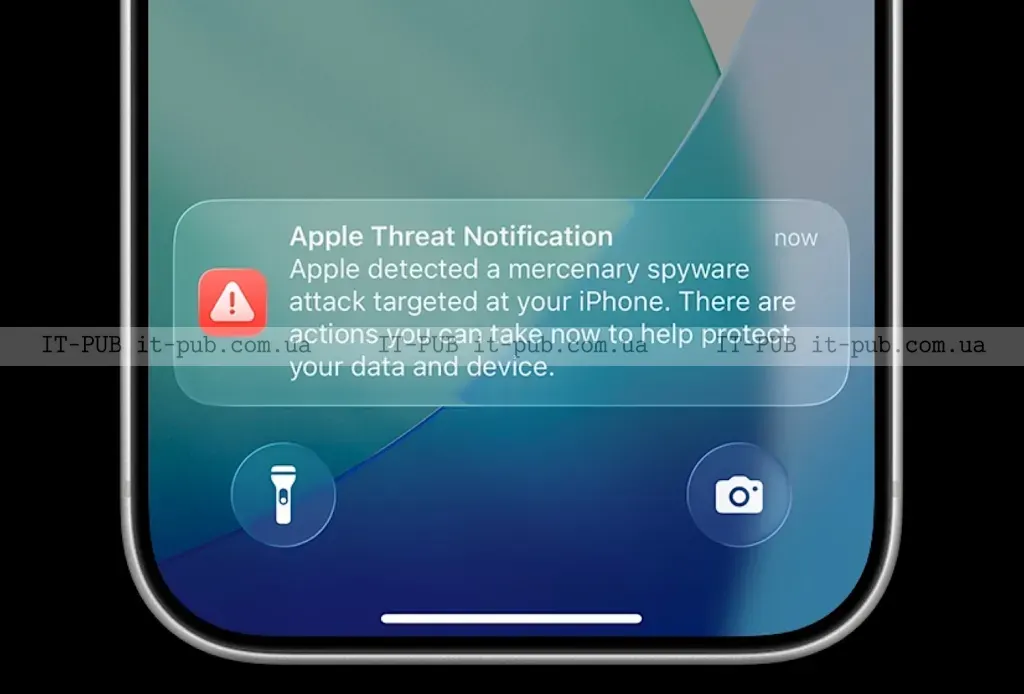
Berlin says some Bundestag members and other public figures in Germany received Apple warnings about possible spyware targeting.
Germany has warned politicians and other public figures after Apple sent threat notifications to people whose iPhones may have been targeted by spyware. The alerts surfaced days after Apple began issuing them and quickly drew attention in Berlin. Some of the recipients appear to be members of the Bundestag, Germany’s parliament, along with other unnamed notable individuals. That turns a security warning into a political issue as well.
The German federal cybersecurity office, the BSI, said over the weekend that it had learned some recipients in Germany had received Apple’s notice. The government has not said who in the federal administration may have been affected, and it remains unclear whether Chancellor Friedrich Merz was among those targeted.
Berlin treats Apple’s warning as a security issue
According to the Financial Times, German government spokesperson Stefan Kornelius said Berlin was taking the incident and Apple’s warning “very seriously.” As IT-PUB News points out, the case appears to involve members of the Bundestag as well as other public figures, which helps explain the government’s response.
The BSI said anyone who receives an Apple threat notification should assume their device may have been compromised. Apple does not say whether a phone has actually been hacked, and it does not identify the government or other actor it believes may be responsible.
In practical terms, recipients are being told to treat the alert as a serious security signal, not as a routine message from a tech company.
How Apple’s spyware alerts work
Apple periodically sends threat notifications to people it believes may have been targeted by spyware. The company says such software can steal messages, location data, and other sensitive information from a phone.
The attacks often rely on so-called zero-click exploits. These are especially concerning because they can work without the victim clicking a link or opening a file, which makes them harder to spot. That is one reason these alerts draw attention beyond the people who receive them: they point to a form of digital surveillance that can be difficult to detect.
Apple does not attribute these attacks to specific governments, and it does not confirm that a device has definitely been compromised. That makes the BSI’s warning especially important for recipients in Germany and elsewhere.
The latest notifications were not limited to Germany
Germany was not the only place where the latest Apple notifications appeared. A Beirut-based filmmaker, Radwan Mortada, said on X that he had received a new alert warning that Apple had detected “another attack against your device.” He said he had already been targeted by spyware in 2021.
The latest batch of notifications appears to have been broad. According to the notice received by Mortada, Apple said the alerts were sent to users in 99 countries. That suggests the campaign was not limited to one country or one political setting, even though the German government’s warning focused on people in its own public life.
The case fits a wider spyware pattern
The episode has drawn notice because it fits a broader and increasingly controversial pattern: attacks on members of civil society using tools that are often bought from private vendors rather than built directly by governments.
These products are often described as “mercenary spyware.” One of the best-known vendors is Israel’s NSO Group, which sells the Pegasus spyware. The source text notes that Germany’s central federal law agency, the BKA, reportedly bought access to Pegasus in 2019.
That adds another layer to the story. It shows how spyware has become part of a wider and murkier market, where powerful surveillance tools can move between governments, contractors, and commercial vendors. The current case does not identify who carried out the latest attacks, but it does show how hard it can be to trace responsibility once such tools are in use.
Why the warning matters beyond Berlin
The immediate concern is straightforward: politicians and public figures may have had their phones targeted. But the significance goes further. Warnings like these point to risks for anyone whose private data sits on a mobile device, especially people in public-facing roles.
Phones now hold messages, location history, contacts, and other sensitive information. If spyware gets in, it can expose not just personal details but also professional communications and networks. That is why an alert from Apple can quickly become a political and security issue, not merely a consumer tech story.
For Germany, the warning also raises questions about the reach of digital surveillance and the vulnerability of public institutions. The government says it is treating the incident seriously, but the source of the latest attacks remains unknown. For now, Apple’s notifications have again pushed spyware — and the opaque market around it — back into view.