U.S. agencies probed Megaspeed executive’s Nvidia ties
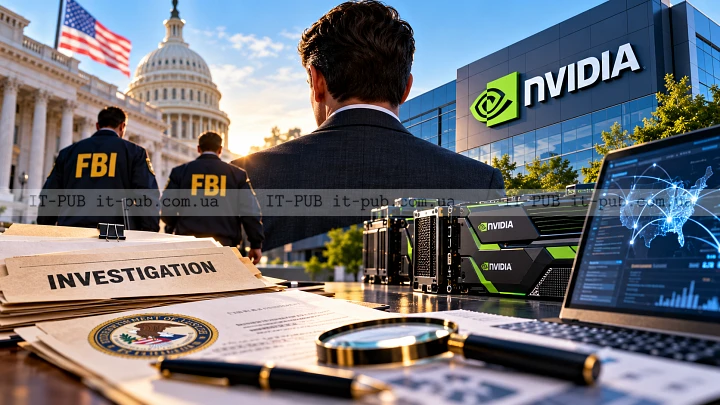
The New York Times reported that investigators examined whether Megaspeed executive Alice Huang used her proximity to Jensen Huang to gather information.
A top executive at Singapore-based AI cloud firm Megaspeed has come under scrutiny in the U.S. after The New York Times reported that investigators were examining whether she may also have been acting as a Chinese spy. The case sits at the intersection of AI chips, export controls, and access to one of the industry’s most influential CEOs — Nvidia’s Jensen Huang.
According to the report, U.S. intelligence agencies had been watching Alice Huang, also identified as Huang Le, for about a year to better understand her links to China. As IT-PUB News notes, the concern was not only her role at Megaspeed, but also her proximity to Jensen Huang, with whom she was photographed at business dinners in the Singapore region.
The report does not say that wrongdoing was established. It says investigators were trying to understand whether her access and connections could have security implications.
Why U.S. agencies focused on Alice Huang
The Times said investigators suspected Alice Huang may have become close enough to Jensen Huang to collect information about Nvidia’s plans. That included possible insight into the company’s efforts to persuade the Trump Administration to allow more advanced technology to be shipped to China.
The report does not say that such information was actually obtained. It says only that this concern led to surveillance.
The attention around Huang also reflects broader pressure on companies linked to the flow of advanced AI hardware into China. Nvidia chips are central to the AI race, and access to them has become a sensitive issue for regulators.
Megaspeed was already under export-control scrutiny
The new report builds on earlier scrutiny of Megaspeed itself. In 2025, the Times reported that the Commerce Department had investigated the firm over concerns that it was helping Chinese companies get around AI chip export rules by reselling restricted chips to them.
At the time, Alice Huang was described as a top executive at the company. That appears to have added to the interest around her, though the source does not say whether any separate findings connected her personally to the alleged resale activity.
The broader issue is clear enough: if a company is already under suspicion of moving restricted chips in ways regulators do not allow, its executives may draw closer attention from U.S. agencies.
Nvidia says the relationship was routine
Nvidia pushed back on any suggestion that Jensen Huang’s relationship with Alice Huang was unusual. In a statement to TechCrunch, a company spokesperson said his interactions with her were no different from those with other regional customers.
“Jensen’s interactions with Ms. Huang are not unusual or unexpected. Meetings with customers are part of a C.E.O.’s job; Jensen talks with thousands of customer executives every year,” the spokesperson said.
The company also said regional cloud customers receive standard business information, not sensitive internal material. It added that they get “ordinary business information—not sensitive NVIDIA trade secrets—and zero information relevant to national security.”
That response frames the relationship as ordinary business, not a security risk. Even so, the report shows how routine meetings can become sensitive when they involve advanced chips, China-related sales questions, and government scrutiny.
AI chip sales turned an ordinary contact into a security concern
The attention on Alice Huang shows how AI hardware has become not just a commercial issue, but a national-security one. A CEO’s meetings with customers would normally draw little notice, but the combination of export controls, alleged chip resales, and suspected intelligence interest made this relationship stand out.
For Nvidia, the episode underlines the scrutiny surrounding its China business. For regulators, it shows how hard it can be to separate ordinary commercial contact from relationships that may carry strategic significance.
The source does not show that any wrongdoing by Jensen Huang or Nvidia was established. It does show why the company’s dealings in the region can attract unusually close attention: advanced AI chips are valuable, tightly regulated, and closely watched by governments on both sides of the Pacific.