VideoVerse sale collapses amid fraud claims
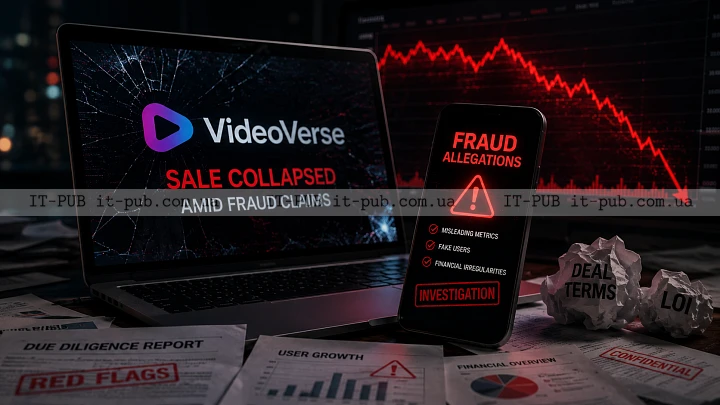
Minute Media’s $250 million VideoVerse acquisition has spiraled into lawsuits over alleged forged documents, missing funds and unpaid loans.
Less than a year after VideoVerse was sold to Minute Media for $250 million, the deal has become a court fight over fraud allegations, forged signatures and missing money. What had been presented as a major Indian startup exit is now tangled in claims from investors, creditors and former executives trying to recover funds or explain where they went. According to IT-PUB News, the fallout reaches beyond one company. It shows how quickly trust can break down even after a high-profile acquisition.
A startup exit that quickly fell apart
When VideoVerse announced its acquisition in September 2025, it was seen as a milestone for Indian startups. The company started as a clipping service and later built a business around automated tools that turn long broadcasts into short videos for social platforms.
Minute Media, an international sports publisher based between New York and Tel Aviv, bought VideoVerse to expand its software business beyond India and into the global sports market. That optimism did not last long.
By May, Minute Media said it was terminating its contract with VideoVerse. The company noted that the two businesses had continued to operate as separate legal entities even after the acquisition closed. A Minute Media representative told TechCrunch the move came after “significant discrepancies” were found in VideoVerse’s representations.
The collapse has left investors waiting for their share of the $250 million payout, while founder Vinayak Shrivastav has become the focus of several legal disputes.
Investors accuse VideoVerse of misleading them
The most serious claims now come from creditors and investors who say the acquisition and the company’s finances were handled dishonestly.
Bluestone Capital, which backed VideoVerse in its 2023 round, is suing the company for fraud. It says VideoVerse violated investment terms and refused to distribute proceeds from the acquisition.
In a separate case, a creditor is trying to recover $64 million from a loan Shrivastav took out shortly after the acquisition closed. That complaint goes further, alleging that Shrivastav used fraudulent merger documents that did not match the business terms agreed with Minute Media to persuade Clippings’ shareholders to approve the merger.
Taken together, the filings point to more than a single disputed transaction. Creditors and investors describe a company that kept raising money and taking on obligations while its internal finances became harder to follow.
Even with several overlapping claims, one point appears undisputed: tens of millions of dollars are missing, and there is now a fight over who should be repaid first.
Forged signatures and fabricated bank screenshots
The dispute widened when VideoVerse’s own executives began making accusations.
In a separate case, the company’s COO alleges that Shrivastav forged his signature on loan and share-repurchase agreements. According to the complaint, those documents were then used to extract tens of millions of dollars from the company after the Minute Media transaction.
Another major clash involves Lingotto, the investment firm that arranged a $55 million structured loan in October. The loan was reportedly meant to satisfy an earlier creditor, and it was backed by statements from that creditor and Minute Media’s CEO. Court filings from Lingotto say $53 million was transferred to an account controlled by Clippings on October 1, with a standard repayment schedule attached.
Lingotto now says key documents were forged. The lawsuit alleges that Minute Media’s CEO never signed the papers and that screenshots showing internal bank balances were fabricated.
The loan was supposed to produce a $4 million payment on March 31, but that payment never arrived. When Lingotto demanded repayment of the full loan plus interest, it says it discovered a long list of other people waiting to be paid by VideoVerse. By then, a separate Bluestone loan had also entered settlement with overdue payments.
By the end of April, Shrivastav was out as CEO.
The acquisition now stands as a legal and financial warning
VideoVerse was not a household name, but it had built a strong position in the clipping business, where companies use software to turn long sports or broadcast content into short highlights for social platforms. Its flagship product, Magnifi, uses AI to identify key players and key moments automatically, while human support teams help clients produce clip packages quickly.
That mix helped attract customers such as the Indian Premier League, FIFA+ and Nippon TV. It also made the company attractive to Minute Media, which had wanted to grow in the U.S. market.
Now the acquisition has become a case study in how complicated startup finance can get after a public deal is announced. The legal filings do not tell one clean story. They show conflicting claims, missing money and multiple parties trying to establish what was signed, who approved it and who is owed what.
Minute Media, Lingotto and Bluestone are all seeking restitution in Delaware Chancery Court. A separate claim from former COO Sabya Das adds another layer of alleged fraud involving secondary sales and a confidential high-interest loan.
Shrivastav did not respond to repeated attempts to contact him for the story. The most recent address listed for him, according to Das’s complaint, is in the Palm Jumeirah islands in Dubai.
For now, the VideoVerse case remains a striking example of how a headline acquisition can turn into a larger fight over documents, debts and accountability.