Apple explores a screenless fitness tracker
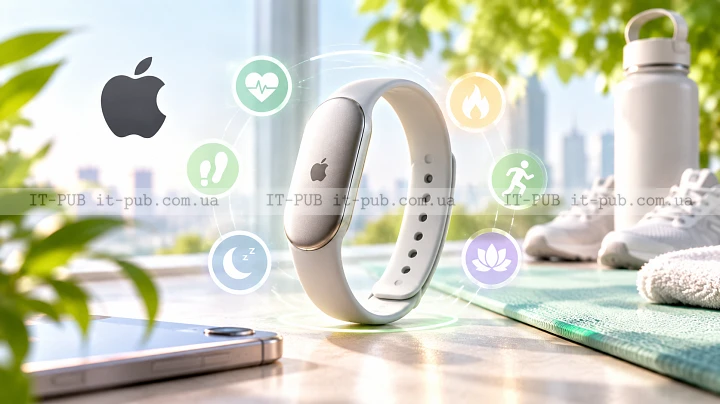
Bloomberg says Apple is testing a fabric band with sensors, but the project remains exploratory and is not expected before 2028.
Apple is exploring a screenless fitness tracker that could put it in more direct competition with Whoop, according to a Bloomberg report. The device is still at an early stage, not a confirmed product launch. Even so, the idea is getting attention because it points to another way Apple could compete in health and wearable tech beyond the Apple Watch.
The report suggests Apple is considering a different kind of fitness device — a simpler band rather than a full smartwatch. That could appeal to people who want health monitoring without the bulk or constant pull of a screen. It also raises a familiar question for Apple users and the wider wearables market: is the company preparing to expand its lineup, or simply testing an idea that may never reach stores?
Apple is testing a band without a display
Bloomberg describes the project as a “technology investigation,” an early-stage effort to determine whether Apple wants to develop the product further. IT-PUB News notes that the report also says Apple has already built several prototypes.
The device is described as “a thin fabric band with a sensor-equipped computing module.” In practical terms, that suggests a wearable built around tracking and sensing rather than screen-based interaction. According to the report, it would not be released before at least 2028.
That timeline matters. It shows the project is still far from a finished product, with no guarantee it will become one at all. For now, Apple appears to be studying the concept rather than preparing a launch.
Why the design points toward Whoop
Apple already sells a fitness-focused wearable in the Apple Watch, which can track workouts, heart rate, sleep, and other health-related data. But the new device sounds closer to Whoop, a company known for simple fitness bands that it says can measure a range of health metrics.
That comparison is what makes the report stand out. Apple has long been tied to the smartwatch category, but a screenless band would be a different kind of wearable — less about apps and notifications, more about continuous health tracking. For some users, that could mean a lighter, less distracting device.
For Apple, a product like that would broaden its wearables strategy if it ever reached the market. But the report does not suggest the company has made a final decision.
The report arrives during a broader Apple transition
The timing adds another layer. Apple is in a period of transition after Tim Cook stepped down as CEO in August and became executive chairman, while John Ternus took over as the company’s new CEO.
The company is also dealing with pressure from rising costs linked to a memory shortage. At the same time, Apple has said it plans to release a number of new devices, including a foldable phone, new tablets, and a new MacBook Pro.
Against that backdrop, the possible fitness tracker suggests Apple is still exploring new hardware categories even as it navigates broader business challenges. The report also lands while Apple is involved in litigation against OpenAI, which it has accused of trade theft, underscoring how intense the competition around hardware and AI-related products has become.
What the concept could mean for users
If Apple eventually turns the idea into a product, it could give consumers another option in the wearables market. A screenless band may appeal to people who want health tracking in a simpler form than a smartwatch provides.
That same simplicity could also be a limitation, depending on the design and the features Apple chooses to support. Since Apple has not announced the product, there are no public details on how it would work in practice or how it would compare with the Apple Watch beyond its likely focus on fitness and health tracking.
For now, the main point is that Apple is studying a wearable that looks more like a fitness band than a watch. That alone is enough to draw interest, because it suggests the company may be looking past its current product lines as competition in hardware continues to shift.