LinkedIn adds tools to curb fake profiles and job claims
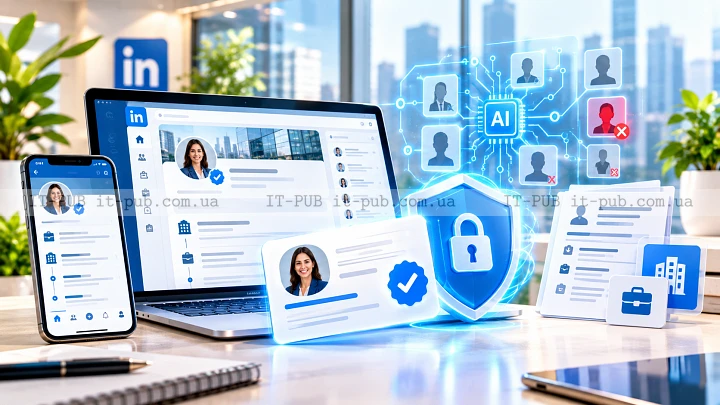
New LinkedIn features let colleagues confirm work history and give companies ways to limit false employee links on their pages.
LinkedIn is rolling out new verification tools aimed at fake profiles, false work histories, and other forms of identity abuse on the platform. The move comes as AI has made convincing fake accounts easier to create, a growing problem across the internet. On a professional network built around career history and credibility, that carries particular weight.
The company says the new features are designed to give members and businesses more control over how they appear on LinkedIn. That includes a system for colleagues and classmates to vouch for someone’s experience, along with stronger tools for company page admins to remove false employment claims.
LinkedIn wants credibility checks to be clearer
The timing matters because LinkedIn is not dealing only with generic impersonation. Profiles on the platform can include job titles, certifications, university degrees, and work experience — details that can influence hiring decisions and career opportunities.
That makes fake claims more consequential than on many other social networks. If someone inflates a resume or falsely says they worked for a company, the damage can go beyond a misleading profile. It can affect interviews, visibility, and professional opportunities.
LinkedIn vice president of product Oscar Rodriguez told TechCrunch that “faking credibility has never been cheaper or easier than it is today” and that, at the same time, “showcasing credibility has never mattered more.” He said LinkedIn has already verified 115 million users and more than 700,000 companies.
Rodriguez also said the company believes authenticity will become “the single most valuable currency on the internet.” As IT-PUB News notes, that message sits at the center of this rollout.
Colleagues can vouch for real work experience
One of the main additions is a new way for members to vouch for colleagues and classmates, whether from the past or present. LinkedIn says this is different from an endorsement, which is more like recommending someone. The goal here is narrower: confirming that a person actually had the experience listed on their profile.
In practice, it is closer to saying, “Yes, I worked with this person during that period,” rather than offering a judgment on how well they performed.
LinkedIn is also adding limits meant to reduce abuse. A member who gives a vouch must already have a verified profile. They also need to have been connected to the person for at least a year. Their account must use two-factor authentication as well, lowering the risk that a hacked account could be used to create false validation.
The setup suggests LinkedIn wants these checks to come from established relationships, not quick or easily manipulated interactions.
Companies can remove false employee links from pages
LinkedIn is also expanding tools for businesses that want to manage who is associated with their brand. A feature previously tested with recruiters and executives will now let companies remove accounts that falsely claim employment from appearing on the company page and from search results tied to that page.
Page admins can do that by visiting the profile of the person making the false claim and removing them manually.
The company is also testing a setting that would let page admins require workplace verification before a member can associate their account with a company page in the future. One example LinkedIn gave is verification through a work email address.
There is an important limit. Removing someone from a company page does not change their own LinkedIn profile. The member still controls that profile. But the page link disappears, and the work experience will no longer appear as verified.
Rodriguez said the feature is meant to give members “signals and context” to help them make decisions.
LinkedIn says the removal tool is for full-time staff
LinkedIn also clarified that this removal tool is aimed at full-time employees, not contractors or field workers. The company said those workers will have other ways to claim their association with the employer.
That distinction matters because workplace relationships are not always straightforward, and a single rule would not fit every type of job. By limiting the feature, LinkedIn appears to be trying to reduce disputes over who should or should not be listed on a company page.
Even so, the change shows how much influence company pages can have over professional identity on the platform. For employers, that may help clean up false associations. For users, it adds another layer of verification that could make profiles more trustworthy, while also making them more dependent on outside confirmation.
LinkedIn is taking verification beyond its own app
The company is also expanding partnerships that let members show verified identities outside LinkedIn. Truecaller and PeerSpot will join existing partners such as Adobe and UserTesting in supporting that effort.
LinkedIn gave one example: Truecaller users will be able to add their LinkedIn verified identity so it appears to the person they call.
That points to a broader goal. LinkedIn is not only trying to protect profiles inside its own service, but also to make verification portable across other digital tools. That could make identity checks more visible in everyday online interactions, though the source does not say how widely the feature will be used.
Verification is becoming central to LinkedIn’s strategy
LinkedIn says the new tools build on its existing verification push, and the company argues that verified members benefit directly. Rodriguez said verified users receive, on average, 50% more post views than non-verified profiles and 90% more impressions.
Those figures help explain why LinkedIn is putting more weight behind authentication features. Verification is no longer just a security measure. On LinkedIn, it is also tied to visibility and reach.
At the same time, the new tools underline a broader tension on professional platforms. They need to make it easier for real people and real employers to prove who they are, while making it harder for fake identities to spread. LinkedIn’s latest changes are meant to address both sides of that problem, and they show how much trust in online careers now depends on platform controls.