S&P reviews Nvidia rating over governance risks
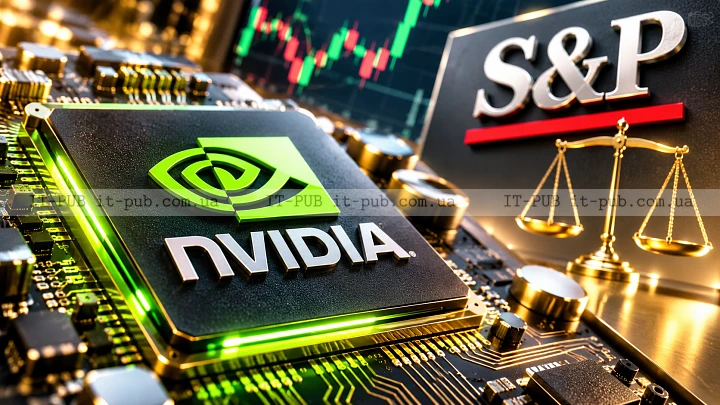
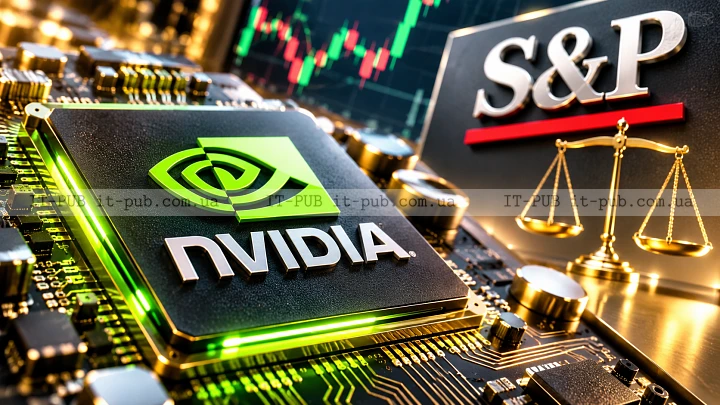
S&P is weighing a cut from AA to AA- after raising concerns about oversight, succession planning, and Nvidia’s reliance on CEO Jensen Huang.
S&P Global Ratings is considering a downgrade of Nvidia’s credit rating, even though the chipmaker remains financially strong. The agency said the review is not driven by earnings, but by concerns over governance and the company’s reliance on CEO Jensen Huang.
That has drawn attention well beyond credit markets. Nvidia sits at the center of the AI boom and has become an important backer of infrastructure financing tied to that growth. If its rating is lowered, the effects may not stop with Nvidia — borrowing could also become more expensive for some companies that depend on its support.
S&P points to oversight and succession planning
In its statement, S&P cited “weak executive oversight and lack of succession planning” along with “key man risk,” a term used when a company’s future is seen as closely tied to one person.
The agency connected those concerns to the ouster and later reinstatement of Jensen Huang. According to IT-PUB News, S&P said that episode raised questions about governance and continuity at the top of the company, despite Nvidia’s strong financial results.
S&P expects to finish its review within 90 days. It could then lower Nvidia’s rating from AA to AA-, which would still leave the company in investment-grade territory.
A downgrade could still raise borrowing costs
Even if Nvidia remains investment grade, a lower rating could still have real consequences. Companies with weaker ratings generally pay more to borrow, which affects the cost of raising money.
That matters in Nvidia’s case because of its role in backing neoclouds and other infrastructure companies that do not have strong credit on their own. If Nvidia’s rating falls, debt linked to those partners could become more expensive as well. They could also be asked to post more collateral.
So the review is not only about Nvidia’s own balance sheet. It may also shape how easily other companies in the AI infrastructure chain can access financing.
Nvidia’s $500 billion financing plan faces added strain
The review comes after Nvidia said in August that it planned to arrange $500 billion in financing for AI infrastructure with six financial institutions, including Goldman Sachs, Apollo, and Blackstone.
Under the original terms, Nvidia would guarantee 25% of the loans. But Bloomberg reported that lenders had already been pressing the company to guarantee more, even before Huang’s ouster and return.
A downgrade would likely add to that pressure. If lenders view Nvidia as a somewhat riskier borrower, they may seek larger guarantees before committing financing.
Why the review matters beyond Wall Street
The episode underscores a familiar tension in fast-growing tech companies: strong business performance does not automatically ease concerns about leadership structure. Nvidia’s finances remain solid, but S&P is signaling that governance and succession planning can still influence how markets assess the company.
For the broader AI sector, the issue is practical, not abstract. Nvidia plays a central role in financing the infrastructure behind AI growth, so any shift in its credit standing could ripple through that network.
For now, Nvidia is not at risk of losing investment-grade status. Still, the review shows that even one of tech’s biggest names can come under pressure over who is in control, how stable that control appears, and how much depends on a single executive.