Nvidia faces new scrutiny over Megaspeed chip sales
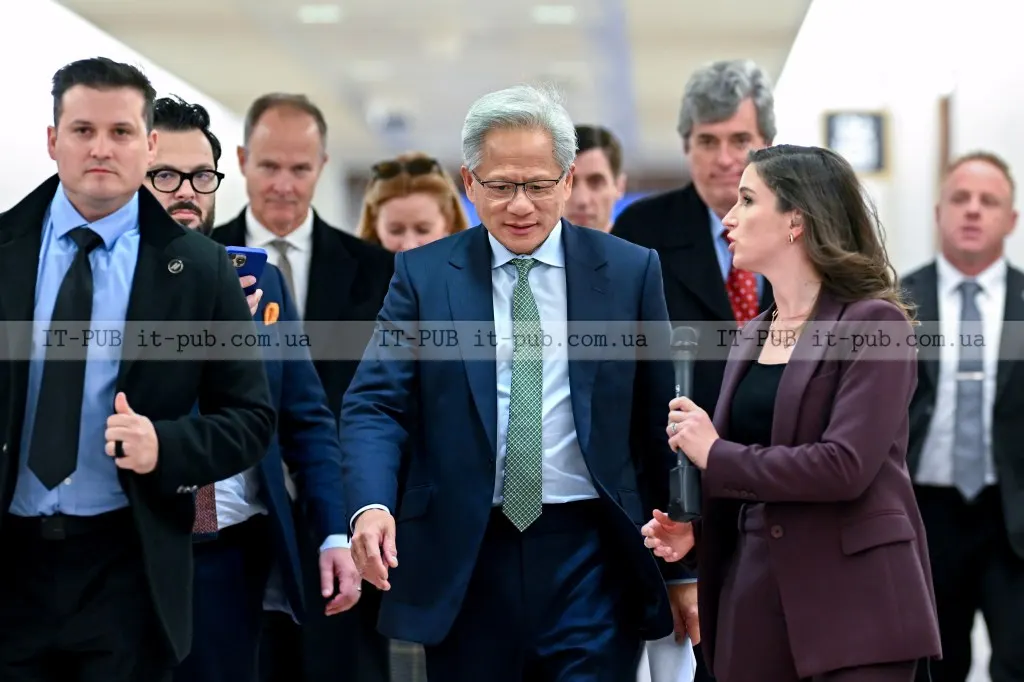
U.S. and congressional investigators are still probing whether Nvidia chips sold to Megaspeed were diverted to China despite export controls.
Jensen Huang’s return as Nvidia CEO has not ended the company’s troubles. Nvidia is still facing questions over whether advanced GPUs sold to Singapore-based data center operator Megaspeed were diverted to China in violation of U.S. export rules. According to IT-PUB News, the issue now stretches well beyond one customer relationship and into compliance, disclosures, and government oversight.
The case matters because it sits at the intersection of trade controls, corporate compliance, and the global race to build frontier AI models. It also raises a broader question for Nvidia: what the company knew about where its chips ended up, and whether warning signs should have changed how it dealt with Megaspeed.
Investigators are focused on what Nvidia knew
The central issue is not just whether chips were smuggled, but what Nvidia knew about their final destination. Investigators are trying to determine whether Huang’s personal relationship with a Megaspeed executive should have made the company doubt the customer’s assurances.
That question carries legal weight because chip sellers are expected to make sure their products are used in line with export-control rules. At the same time, they cannot simply ignore information that might make a customer’s statements less reliable.
Export-control attorneys told TechCrunch that this is where Nvidia’s exposure could grow. If people inside the company, including senior leaders, had reason to believe Megaspeed’s statements were not trustworthy, that could increase legal risk.
Dan Fisher-Owens, an attorney at Berliner Corcoran & Rowe, said government investigators would likely want to know what Nvidia actually knew about the end use and end users of the chips, regardless of formal assurances exchanged between the parties.
Megaspeed is facing pressure on multiple fronts
The U.S. government opened an investigation into Megaspeed in 2024 and asked Nvidia for information about billions of dollars in sales to the company. Officials were concerned that some chips bought for data center projects in Malaysia were being diverted to China.
Singapore also began investigating similar allegations in 2025. Megaspeed has denied wrongdoing.
On Monday, the U.S. government added Megaspeed and its affiliates to a restricted trade list on national security grounds. The move adds pressure on the company and underscores the seriousness of the allegations around chip diversion.
Nvidia’s board reinstated Huang on Monday after receiving what it described as “input from senior levels of the United States government” and said it was confident his return posed no national security risk. President Donald Trump later said he had called into the meeting to give that assurance.
The compliance questions now go beyond one customer
The Megaspeed case is part of a wider compliance problem for Nvidia and other chipmakers. Their products are highly sought after, making them targets for smugglers and resellers.
That is why export-control lawyers say companies in this position need reliable assurances about end users. But they also need to pay attention when other information suggests those assurances may not hold up.
The concern around Huang’s relationship with Megaspeed executive Alice Huang has become a central part of the scrutiny. According to the source, Nvidia’s board worried that he may have known more about Megaspeed’s use of Nvidia products than was reflected in compliance statements.
The Wall Street Journal reported that Alice Huang and her husband, Kang Wei, were part of a network of businesses that funneled chips to a company in Shanghai. It also reported that Kang introduced his wife to Jensen Huang, whom he had known for a decade.
The source also notes that Alice Huang was reportedly a source for Chinese intelligence agencies, though it does not say that allegation has been proven in this case.
U.S. agencies and Congress are still pressing Nvidia
Despite Blanche’s comments, the matter is far from settled. U.S. Attorney General Todd Blanche said Nvidia is a “good corporate citizen” and suggested the company is not the target of an investigation. But he declined to answer questions about the ongoing government probe into Megaspeed.
He also said during a news conference on Tuesday: “When you say the export investigation is still ongoing, I don’t know what you’re talking about.”
Other authorities appear to be taking a tougher line. Nvidia faces investigations by California Attorney General Rob Bonta and, reportedly, the Securities and Exchange Commission, both tied to its corporate disclosures.
Short sellers had previously complained about Nvidia’s decision to stop breaking out its exports to Singapore in financial filings after journalists raised concerns about chip diversion.
Congress is also pressing for answers. Lawmakers from both parties say they want more information from Nvidia, with many focused on China and some questioning the White House’s role in Huang’s return.
Three House committees will privately interview Huang and Nvidia’s top lawyer, Tim Teter, next week. Teter reportedly intervened in the Department of Commerce’s investigation of Megaspeed last year.
The Republican chairs of the House committees on foreign affairs, intelligence, and China said they remain committed to getting answers about “the mass smuggling of Nvidia products” and their alleged diversion for Chinese military purposes.
Rep. Brian Mast, the chair of the House Foreign Affairs Committee, has also asked the Department of Commerce to share extensive data from its investigation into chip smuggling, including the Megaspeed case.
A Senate hearing is already on the calendar
The scrutiny will not stop with private interviews. The Senate Banking Committee is set to question Huang in a public hearing on Dec. 3.
Senator Elizabeth Warren, the committee’s ranking Democratic member, said Nvidia executives and the company’s board still owe Congress answers about compliance with U.S. export controls. She also said the Trump administration needs to explain what “input” was given, and by which senior officials, to support Huang’s reinstatement.
For Nvidia, the issue is no longer only about one customer or one executive. It now involves export controls, corporate disclosures, government oversight, and the political sensitivity of advanced AI chips reaching China. Even as the company says it is tightening compliance, the unanswered questions around Megaspeed continue to shape scrutiny of its business.