iPhone Duo reshapes daily phone habits
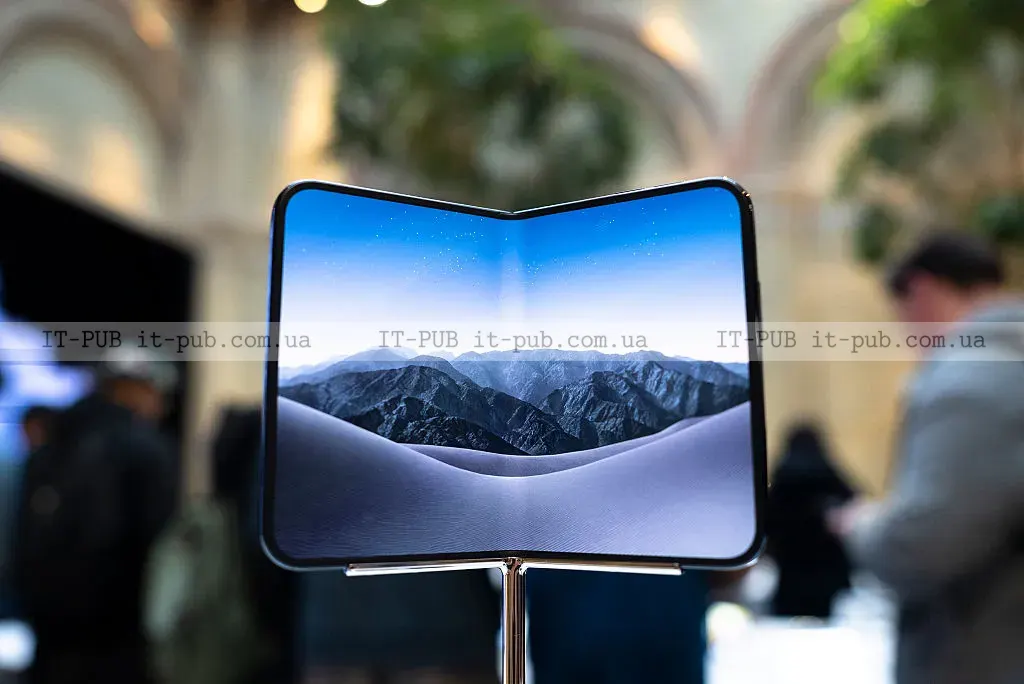
After a month of use, Apple’s foldable is changing multitasking, reading and personalization, even as some familiar iPhone trade-offs remain.
A month with the iPhone Duo has changed more than one reviewer’s view of Apple’s foldable phone. It is no longer being judged only as a premium handset with an unusual shape, but as a device that changes how people use apps, read, watch video and even carry their phones. According to IT-PUB News, that is what now sets it apart: the discussion is shifting away from specs alone and toward whether a foldable design can replace familiar habits. The trade-offs are still there, including features some users miss from traditional iPhones.
The Duo is changing everyday phone habits
The biggest surprise after nearly a month with the iPhone Duo is not what was lost, but what changed in daily use. The foldable design has pushed the user to interact with apps differently, arrange the Home Screen differently and think more deliberately about what they are doing before opening an app.
Rather than treating the Duo mainly as a device defined by compromise, the review describes it as a phone that creates new routines. The unfolded screen makes some tasks feel easier and more natural, while the closed phone still works well for quick actions on the go.
That split experience is central to the Duo’s appeal. Folded, it acts like a compact phone. Opened, it becomes a larger-screen device better suited to a different kind of interaction.
Side-by-side apps make multitasking feel easier
One of the clearest changes is multitasking. The reviewer says they did not expect to use two apps side by side very often, especially with less space than a tablet. In practice, though, it has become part of everyday use.
Apple’s side-by-side mode is described as simple: an app can be dragged to either side of the screen and dropped into place. That makes it practical to read news while keeping X open, check email or Slack while working, or follow social media alongside something else.
The review also points to a broader change in viewing habits. Watching Netflix’s “Love is Blind” reunion while reading reactions on X and Reddit on the same screen is framed as a new version of second-screen viewing — except both streams now live on one device. The reviewer suggests that could lead to more interactive forms of entertainment, with commentary and content sitting closer together.
App makers are adapting to the foldable format
Another reason the Duo is drawing attention is that app support appears to be catching up. In mid-November, Apple said there were more than 200,000 Duo-ready apps. In the reviewer’s experience, that figure seems believable, with many daily apps now working better on both the closed and unfolded display.
There are still exceptions. Some Google apps, including Gmail and Drive, are mentioned as missing from the group of fully optimized apps. Even so, the broader trend is clear: many apps no longer show the black band early testers saw on the side of the screen, and most make better use of the available space.
Developers are responding in different ways. Some changes are practical. Others lean into the format with more playful ideas, including a notebook-style note app, a retro-style music player, a tiny typewriter, a gaming handheld and even a game where closing the phone makes grilled cheese.
For day-to-day use, the most useful changes are less flashy. Spotify feels less cramped on the larger screen. Note-taking, list-making and calendar apps are easier to manage when spread out. Netflix also stands out for supporting several viewing modes, including playback on the outer display, a laptop-like orientation with larger controls and a tent mode.
Reading, video and even carrying the phone feel different
The Duo is also changing how the reviewer reads and watches content. Unfolded, the phone has replaced the Kindle more often than expected, even if it is not an e-ink reader. The matte inner screen is described as calmer than a glossy OLED display, with less glare and softer reflections, making it easier to stay focused on text.
It can be held vertically like a standard e-reader, or opened in landscape so the two halves resemble a physical book. Kindle’s page-turn animation adds to that effect. The review also mentions apps such as Book2Life and Actually Read, which show a book cover on the outer screen while the text is open inside.
Video habits are changing too. The phone is often unfolded for watching shows, and the reviewer says short-form video on TikTok feels especially good when the device is open like a slightly smaller iPad mini. TikTok and Instagram have also been updated to work well whether the phone is folded or unfolded, and TikTok now stretches video across the screen instead of leaving an awkward black bar.
The hardware matters as much as the software. Folded, the Duo is described as easier to hold than the large iPhone 17 Pro Max, even if it is still heavy. It fits in a pocket, works with one hand and makes quick tasks easier. Open it up, and it starts to feel more like a small tablet or Kindle — something better suited to two-handed use, but also more flexible.
Personalization is becoming part of the Duo’s appeal
The Duo is also pushing users toward a different kind of personalization. The review says the case ecosystem is more varied than what buyers usually get with a standard iPhone. Cases can include or skip screen protectors, attach with adhesive or not, cover the hinge or leave it exposed, and offer places for straps, wristlets and charms.
That variety appears to be turning the Duo into more than just a phone. It is becoming something people can style and display. The review suggests this may be especially appealing to women, partly because the device can be carried more like a small purse or accessory, and partly because it lends itself to chains, charms and other decorative add-ons.
There is a practical side to that customization as well. The reviewer says the Duo removes the need for a PopSocket in many situations, because it can be folded for one-handed use or propped up in tent mode. Apple and other makers also offer cases with built-in stands.
The larger shift is in how the Duo changes the conversation around premium phones. Instead of focusing only on camera specs or how light a phone feels, it raises a different question: how should a phone fit into daily life? After a month, the reviewer’s answer is less about what the Duo takes away and more about the habits it creates.
That is what makes the device notable. Its value is not framed as a simple upgrade over a traditional iPhone, but as a different way of using a phone — one that can reduce mindless scrolling, support multitasking and make the device feel more personal. The compromises have not gone away, but in this review they matter less than the behavior the phone seems to encourage.