Signal expands screenshot limits over AI privacy fears
The app is bringing screenshot blocking to Android and iOS after Meredith Whittaker warned OS-level AI agents could access sensitive chats.
Signal is expanding screenshot restrictions inside its app, extending a protection that was already enabled on Windows. The company says the change is a response to operating systems adding agentic AI features that could threaten secure messaging. For users, it affects one of the easiest ways to save or share chat content. More broadly, it sharpens the debate over how much access AI tools should have to what appears on a person’s screen.
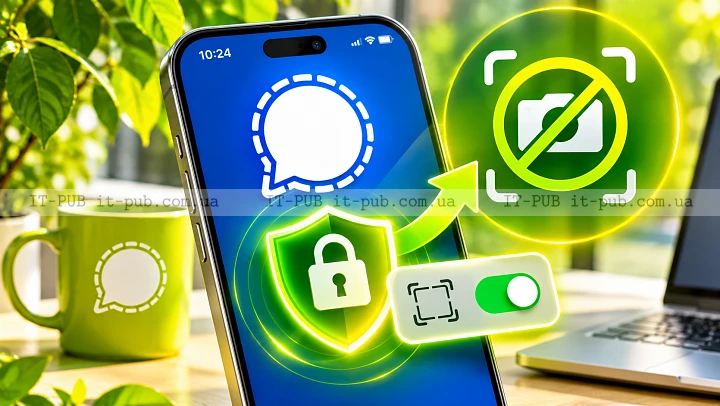
Signal brings screenshot blocking to Android and iOS
On Friday, Signal said it is limiting users’ ability to take screenshots in the app. The company had already blocked screenshots in its Windows app by default, and it is now rolling out similar restrictions on Android and iOS.
The decision goes to the heart of Signal’s privacy model. The app has long presented itself as a place for private conversations, and according to IT-PUB News, the company argues that promise becomes harder to maintain if other software can quietly capture whatever appears on screen.
Signal President Meredith Whittaker called the issue an “existential threat” created by operating systems that integrate agentic AI. In her view, the problem is not only what users choose to share, but also what the operating system itself may be able to collect.
Whittaker says OS-level AI can access screen content
Whittaker said AI agents built into Windows, Android, and macOS/iOS can “scan” the information shown on users’ screens. She argued that this weakens Signal’s ability to independently guarantee privacy.
She said that, in the name of AI agentic capabilities, sensitive data can be captured, stored, and made accessible to whatever local database or remote server an OS-level AI agent is using at that moment. Once that data is captured, Signal no longer controls what happens to it.
In Whittaker’s account, that risk extends beyond a single device owner. If screen content can be accessed by system-level AI tools, the privacy of an entire conversation can be compromised.
Users can disable the setting, but Signal warns of trade-offs
Signal’s new restrictions are not absolute. Users can turn the screenshot-blocking setting off if they want to.
Whittaker said that doing so would “break our privacy guarantees,” underscoring the tension behind the move. Signal is trying to protect conversations by default, even though some users may prefer convenience over tighter controls.
The company also said the measure is not a complete fix. Whittaker said it does not address “other more sneaky ways AI agents could potentially access application data.” Blocking screenshots may help, but it does not shut every possible route through which AI features could reach sensitive content.
Signal’s move highlights a broader clash over AI and privacy
The change draws attention to a growing conflict between AI-powered operating systems and privacy-focused apps. Signal is not objecting to AI as a whole. Its concern is that AI features built into the operating system could reach data that users assumed was protected inside the app.
For people who rely on Signal for private chats, the update may be noticeable in everyday use, especially if they often save messages as images or share them outside the app. For the wider digital environment, it is another sign that privacy tools are being pushed to adapt as AI becomes more deeply built into the software people use every day.
Signal is also clear about the limits of its response. The company is not presenting screenshot blocking as a full answer — but as operating systems gain more visibility into what is on screen, even secure messaging apps may feel pressure to tighten their own rules.