Everful raises $48.5M for AI-powered factory sourcing
The Alibaba-linked startup plans to expand in the U.S. and Europe as it automates sourcing, logistics and product customization for retailers.
Everful, a startup that helps smaller retailers and brands source products directly from Chinese factories, has raised $48.5 million in Series A funding. The company says the money will support expansion into new markets and further automate a process that many smaller sellers still manage through intermediaries. The round also comes as Everful tries to carve out a place in a crowded B2B sourcing market. Its pitch is straightforward: handle more of the work itself, not just connect buyers and suppliers.
That approach could appeal to retailers without dedicated sourcing teams, especially those looking for a faster and more managed way to buy inventory. According to IT-PUB News, Everful is positioning itself less as a marketplace and more as an operational layer between factories and sellers.
Everful is building an end-to-end sourcing platform
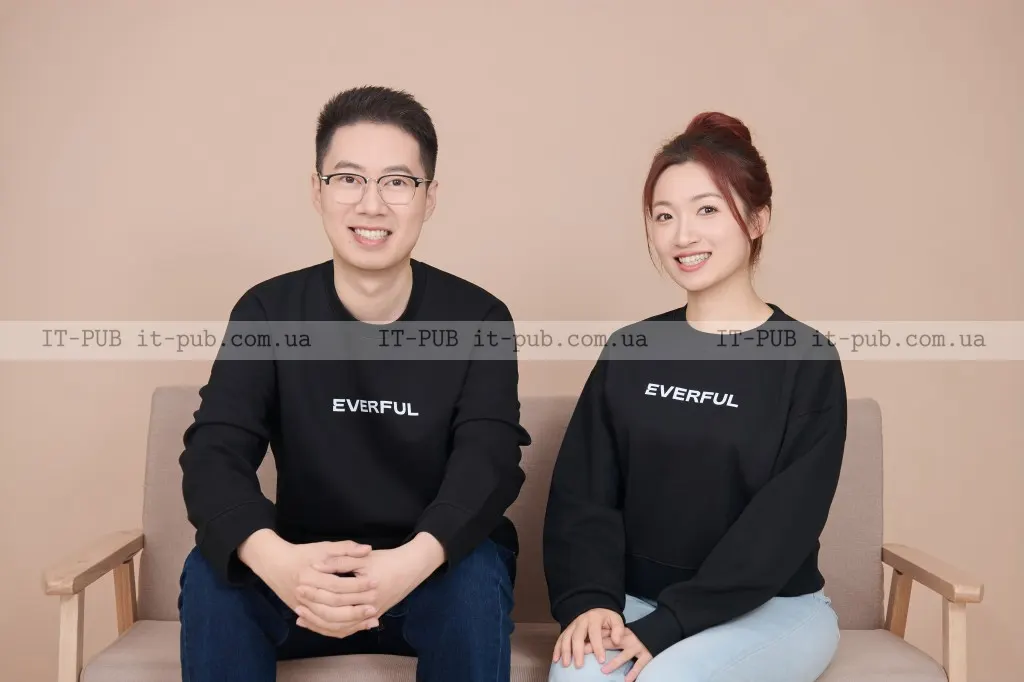
Everful is based in San Francisco and Singapore and was founded in 2024 by Sisi Song, a former Alibaba executive, and Kevin Han, a serial entrepreneur who previously sold a company to Amazon. The company began as a jewelry wholesale business before expanding into a broader factory-direct sourcing platform.
Song said Everful is on track to reach $100 million in annualized revenue by the end of the year, roughly two and a half years after launch. She also said the company ships more than 5 million items a month to customers in over 60 countries, works with more than 30,000 factory partners, and now lists more than 20 million products in its online wholesale catalog.
Everful says its model is aimed at smaller retailers and brands that often deal with long sourcing cycles, high minimum order requirements, and the need to commit cash to inventory before they know what will sell. Its argument is that managing the process from order to delivery can ease some of that pressure.
Investors are backing Everful in a competitive market
The Series A round was led by Vertex Ventures Southeast Asia & India and January Capital, with participation from existing investors Square Peg and Lightspeed.
Competition is hardly in short supply. Alibaba already connects international buyers with manufacturers and suppliers, while Faire lets retailers buy wholesale inventory directly from brands. Everful’s co-founders argue that their company stands apart because it takes responsibility for the sourcing process itself.
“We take care of everything,” Han said. “We handle sourcing, order consolidation, quality control, and logistics. That’s something the marketplaces don’t offer.”
That distinction matters because the challenge is not simply finding suppliers. Retailers also have to move products from factory floor to store shelves, and that can mean extra operational work at every step. Everful says it tries to reduce that complexity by combining sourcing, verification, logistics, and quality checks in one system.
Everful says AI can reduce manual sourcing work
Everful also says it uses AI agents to automate parts of sourcing that are typically time-consuming and labor-intensive. That includes tracking consumer trends, identifying suppliers, coordinating orders across factories, and managing logistics.
The company says this matters most for retailers and brands that do not have in-house sourcing teams. It also says it verifies the factories it works with, while trying to offer a more streamlined buying experience than tools that handle only one part of the process.
Other companies in the market also offer quality inspections, logistics, and AI-powered sourcing. Everful’s stated goal is to pull those functions into a more complete workflow, so customers have to do less of the operational work themselves.
Trade tensions shape the company’s strategy
Because Everful sources from Chinese factories, U.S.-China trade tensions and tariffs directly affect its business. Song said geopolitical issues were part of the company’s thinking from the start and helped shape its strategy.
She pointed to the Trump administration’s suspension of the de minimis exemption as one example of a policy shift that matters here. That exemption had allowed eligible shipments worth $800 or less to enter the U.S. duty-free.
Song said changes like that could favor a model that combines overseas sourcing with local retail sales. “We’re empowering local retailers and brands,” she said. “Long-term cross-border commerce will be cross-border B2B sourcing plus local selling.”
That view helps explain how Everful sees its role in a shifting trade environment. The company is presenting itself not just as a sourcing platform, but as infrastructure for retailers trying to keep buying flexible while selling locally.
New funding will support expansion and more automation
Everful plans to use the new funding to expand in the U.S. and Europe, with a particular focus on the U.K., France, and Italy. It also wants to invest further in AI tools for product customization and other sourcing workflows, while deepening integrations with e-commerce platforms.
The company already has a Shopify integration, and it says it wants to become an end-to-end infrastructure platform for global sourcing. That would move it closer to the operational backbone of retail buying rather than a simple marketplace.
Everful currently employs about 70 full-time staff globally, including 45 in research and development. It has also created an AI operations team to connect engineering and business functions.
The latest funding round shows investors are still willing to back that strategy, even in a market defined by competition, supply-chain complexity, and changing trade policy.