How Search Engine Optimization Really Works
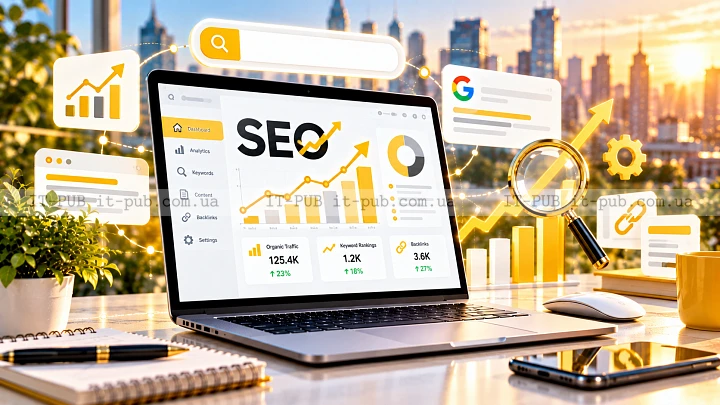
Search engine optimization, or SEO, helps websites get found in search results more easily. It is not one trick, one plugin, or a one-time setup. It is a set of practical improvements that make content easier for search engines to understand and more useful for real people.
At a basic level, SEO is about matching what people are searching for with pages that actually meet that need. That includes content, site structure, performance, and trust signals. When those pieces line up, a site has a much better chance of showing up for relevant searches.
How search engines discover and understand pages
Before a page can rank, a search engine has to find it first. That usually comes down to three stages: crawling, indexing, and ranking.
Crawling is the discovery stage. Search engines follow links to find pages across the web. If a page is easy to reach through internal links or from other websites, it is more likely to be discovered. If it sits deep in a site with no clear path to it, discovery gets harder.
Then comes indexing. At this stage, search engines try to understand what a page is about and store that information in their systems. They look at the text, headings, links, images, and other signals on the page. A page can be crawled and still not end up indexed if it is blocked, thin, duplicated, or simply hard to interpret.
Ranking is what happens when someone searches. The search engine compares many possible pages and decides which ones seem most useful and relevant. That decision is based on a wide mix of signals, not just whether a keyword appears a certain number of times.
Why search intent matters more than keywords alone
One of the most common misunderstandings in SEO basics is the idea that rankings come down to words alone. Keywords matter, of course, but they are only part of how SEO works. Search engines also try to understand intent, meaning the reason behind the search.
Someone searching for “how to fix slow laptop” is probably looking for practical troubleshooting steps, not a product page for new laptops. Someone searching for “best laptop for video editing” expects comparisons or recommendations. Same general topic, very different expectations.
Good search engine optimization starts there. A page should answer the real need behind the query, not just repeat the phrase. When content clearly satisfies intent, it has a stronger chance of performing well.
Content is still the center of SEO
Search engines need something worth ranking, and that usually means content. Strong content explains a topic clearly, covers the important points, and stays focused on what the visitor came for.
Good SEO content does not need to be stuffed with keywords. It needs to be readable, accurate, and complete enough to genuinely help. In most cases, a useful page has a clear main topic, supporting details, and a structure that makes it easy to scan.
Headings help both readers and search engines follow the page. Shorter paragraphs make the text easier to move through. Clear language matters too. If the subject is technical, it usually helps to explain it in plain terms first, then go deeper.
Freshness matters for some topics, but evergreen pages should still be written to stay useful over time. That usually means avoiding unnecessary references to short-lived trends unless they are essential to the topic.
On-page SEO makes a page easier to interpret
On-page SEO covers the elements on the page itself that help search engines understand it. That includes the title tag, headings, body copy, internal links, and image descriptions.
The title tag is one of the strongest signals. It should describe the page clearly and naturally. A strong title helps search engines understand the topic, and it also gives people a reason to click.
Headings do more than break up the text. They show the main sections, guide the reader, and give search engines extra context about the structure of the page.
Internal links are another key part of on-page SEO. They connect related pages on the same site and help distribute authority across it. They also make it easier for people to keep exploring relevant material.
Images can support SEO too, as long as they are relevant and properly described. Search engines do not interpret images the way people do, so descriptive file names and alt text can provide useful context.
Technical SEO keeps the site accessible
Technical SEO is easy to overlook because visitors do not always notice it directly. But it has a major effect. If a site is hard to crawl, slow to load, or messy in structure, even great content can underperform.
A clean site architecture helps search engines understand which pages matter most. Important pages should not be buried behind too many clicks. URLs should be readable and consistent. Duplicate pages should be managed so search engines do not spend effort on repeated versions of the same thing.
Page speed matters too. Slow pages frustrate users and can make crawling less efficient. A site does not need to be flawless, but it should load reliably and work well across devices.
Mobile usability is just as important. A lot of searches happen on phones, so pages need to work on smaller screens. Text should be readable, buttons should be easy to tap, and layouts should hold together on mobile devices.
Security is part of technical trust as well. A site that uses secure connections gives both users and search engines more confidence. Beyond that, technical SEO often includes XML sitemaps, robots instructions, and structured data. These help search engines navigate and interpret a site more effectively.
Links still influence trust and visibility
Links remain one of the strongest signals in search engine optimization, though they are often misunderstood. A link from one page to another can act as a kind of recommendation. When reputable sites link to a page, it can suggest that the content is useful or trustworthy.
Not all links are equal. A relevant, natural link from a respected site is far more valuable than a pile of weak or artificial ones. Search engines are built to detect manipulation, so shortcuts in link building rarely hold up for long.
Internal links matter here too. They help users move between related pages and show search engines how content connects. A well-linked site can guide authority toward important pages and improve discovery at the same time.
The best way to earn links is still the most straightforward one: create content that deserves attention. Useful guides, original explanations, practical tools, and well-organized resources are more likely to attract links than thin pages written only to rank.
User experience and SEO now work together
SEO is not just about search engines anymore. User experience is part of the picture. If people land on a page and leave quickly because it is confusing, slow, or unhelpful, that is a bad outcome no matter how well the page was optimized on paper.
A good page should meet the searcher’s need without making them work for it. It should be easy to read, easy to scan, and easy to trust. Clear navigation, sensible formatting, and obvious next steps all help.
Readability matters more than many teams expect. Shorter sentences, plain language, and a logical flow make content easier to use. That does not mean flattening the subject. It means removing friction.
Search engines want to send users to pages that satisfy them. When a site does that consistently, SEO tends to benefit as a result.
Keyword research helps you choose the right topics
Keyword research is the process of finding the words and phrases people actually use in search. It helps shape content strategy and cuts down on guesswork.
The goal is not to gather as many terms as possible. The real goal is to understand language, intent, and demand. Some queries are broad and highly competitive. Others are more specific and may bring in visitors with a clearer purpose.
A solid strategy usually combines broad topics with more focused subtopics. That helps a site cover a subject in depth instead of forcing everything into one page. It also reduces the risk of keyword cannibalization, where multiple pages compete for the same query and weaken each other.
Search language shifts over time, so keyword research should be revisited from time to time. People may use different terms for the same idea, and content should reflect that natural variation.
SEO is a long-term process, not a single fix
A lot of people expect fast results from SEO. In reality, it works more like building clarity and reputation over time. Search engines need to discover pages, evaluate their quality, and compare them with many alternatives.
That is why SEO usually improves through steady work, not one dramatic change. A site may need better content, cleaner structure, stronger internal linking, or technical fixes. In some cases, the biggest gains come from improving a handful of important pages instead of publishing more and more content.
It also helps to separate real progress from vanity metrics. More traffic is not automatically better if that traffic is irrelevant. SEO works best when it brings the right visitors to the right pages.
Common SEO mistakes that hold sites back
One of the biggest mistakes is writing for search engines instead of people. Pages overloaded with repeated phrases usually read badly and often fail to answer the real question behind the search.
Weak structure is another problem. If a site has no clear hierarchy, search engines may struggle to understand which pages matter most. Users can run into the same issue.
Thin content causes trouble too. A page that says very little may not offer enough value to rank, especially on competitive topics. The same goes for copied or near-duplicate content.
Technical issues can quietly drag performance down. Broken links, blocked pages, incorrect redirects, and poor mobile layouts all create friction. Even strong content can lose visibility if the site is hard to use or difficult to crawl.
A practical way to think about SEO
A simple way to think about search engine optimization is to see it as a bridge between three things: what people want, what your content says, and how search engines read that content.
When those three parts align, a page has a much better chance of performing well. The page should answer the query. The site should make that page easy to find. The technical setup should let search engines interpret it without confusion.
That is why SEO works best when it is part of the publishing process from the start, not something added at the end. From topic selection to page structure to internal links, every part supports the others.
For beginners, the best place to start is often the simplest one: create genuinely useful content, make it easy to navigate, and remove technical barriers. For more experienced teams, the challenge is usually refinement. Small improvements in clarity, speed, and structure can have a meaningful effect over time.
SEO is not magic, and it is not a trick. It is the ongoing work of making websites understandable, useful, and trustworthy for both people and search engines.