Phil Schiller leaves App Store role amid profit push
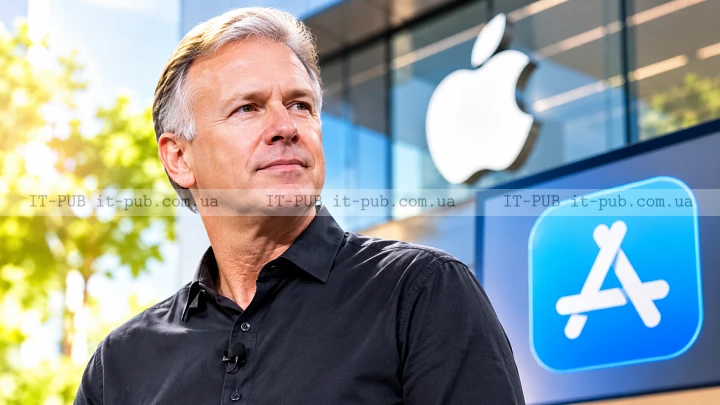
Bloomberg says family and philanthropy played a part, but Schiller also had concerns that higher App Store margins could spark fresh conflict.
Phil Schiller is stepping down from the role overseeing the App Store, and Bloomberg reports the move was shaped by more than one factor. He will remain at Apple as an Apple Fellow working on unspecified projects, but the timing stands out as Apple’s services business faces pressure to grow. According to Bloomberg’s Mark Gurman, Schiller wanted to spend more time on family and philanthropy. Gurman also says Schiller was uneasy about where the App Store could be headed under new leadership.
Apple leadership is pushing for more App Store revenue
The report says CEO John Ternus and services chief Eddy Cue want to improve App Store margins and generate more recurring revenue. In practical terms, Apple is looking for a steadier and more predictable stream of money from one of its most important digital platforms.
That matters far beyond Apple’s balance sheet. The App Store plays a central role in how many iPhone apps are distributed and paid for, so changes to its business model can affect developers, app pricing, and Apple’s broader relationship with software companies that rely on the platform.
Schiller worried about deeper conflict with developers and governments
Gurman’s account does not describe a dramatic internal showdown over strategy. Still, Schiller reportedly believed that pushing harder for App Store profits would deepen tensions with developers and governments.
That concern has plenty of context. Apple’s handling of the App Store, including the share it takes from App Store payments, has long drawn criticism from developers. The company has also faced major lawsuits over the issue, as IT-PUB News notes.
Schiller’s decision to step away rather than stay for the next phase of that debate adds a more personal and political dimension to what might otherwise look like a routine executive change. It suggests the App Store is not just another product line inside Apple, but a contested part of the business where revenue goals can run into outside pressure.
Why the App Store remains a sensitive part of Apple’s business
The App Store is one of Apple’s most visible digital services, and it sits at the center of a wider argument over platform control. Apple sets the rules, takes a share of payments, and shapes how apps reach users. For developers, that means access to a huge audience — and dependence on Apple’s terms.
That is why even a strategic shift draws attention. If Apple tries to extract more value from the App Store, it may improve margins. It could also intensify criticism from developers and regulators who already question how Apple runs the store and how much it takes from app sales and in-app payments.
Schiller’s exit does not, by itself, change Apple’s policies. But it does show that decisions around the App Store are being made with clear awareness of the backlash they could trigger.
A low-key exit with broader implications
Bloomberg’s report does not describe a public dispute, and Schiller is not leaving Apple altogether. Even so, the move is notable because it comes as Apple appears to be weighing how aggressively to push its services business.
For users, the immediate effect may be limited. For developers and regulators, the direction Apple chooses next could matter much more. The App Store remains one of the key gateways in the digital economy, and any effort to make it more profitable is likely to draw close attention.