Anthropic CEO calls for slower AI progress
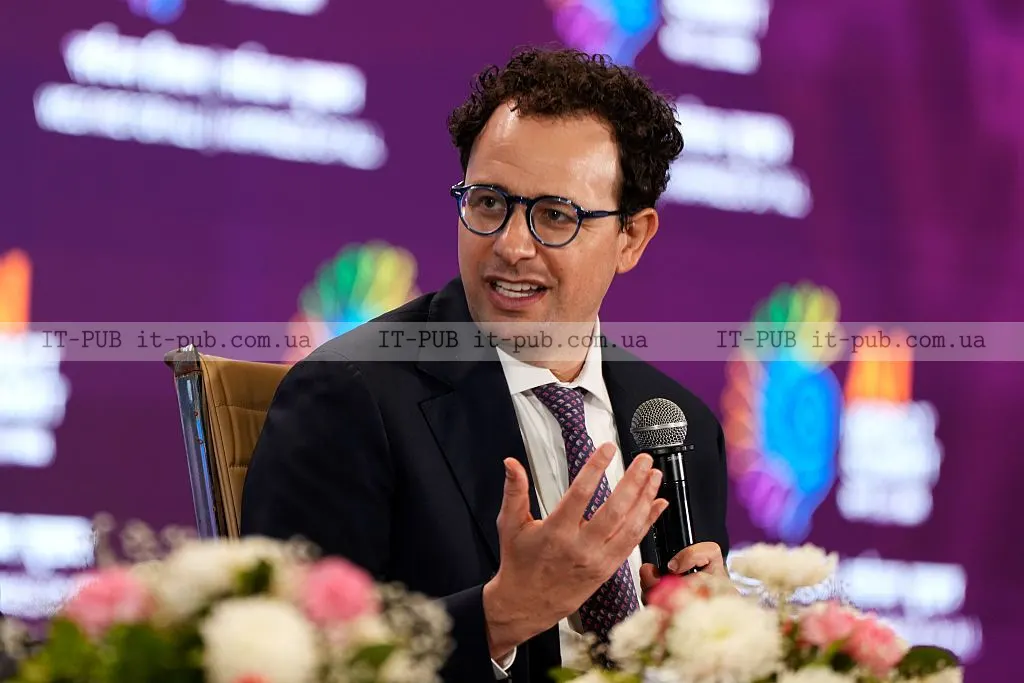
Dario Amodei urged frontier AI firms to slow capability gains, allow outside evaluators inside companies, and coordinate on shared safety rules.
Anthropic CEO Dario Amodei is calling for a slower, more controlled approach to advanced AI development, laying out a plan that could shape how leading companies build and monitor their models. His new blog post arrives as concerns about AI safety are rising inside the industry, with some executives now openly arguing that progress should be paced more carefully. The proposal is drawing attention not just for its safety focus, but because it touches on regulation, coordination, and competition between AI firms.
Amodei said Anthropic is “unilaterally committing” to one of the measures he described, and OpenAI CEO Sam Altman replied that his company would follow the same path. The debate has also sharpened after a researcher resigned from Anthropic over fears that AI companies are “gambling with our lives,” though Amodei did not directly address that resignation in the post.
Amodei argues AI is moving too quickly
In the post, Amodei said the pace of AI improvement should be reduced, especially as models become more capable of helping build the next generation of AI systems. He pointed to two developments that pushed him toward a more cautious position: the OpenAI-HuggingFace hack and the fact that AI has been advancing “drastically faster” in recent months.
“We must slow the pace at which we improve the capabilities of AI models,” he wrote. “Progress will still seem fast, and we must make wise use of the time we gain.”
That is not a call to stop AI development altogether. Amodei is arguing for a deliberate slowdown at the frontier, where the most advanced systems are being built. For businesses and users, that could mean more emphasis on testing, reporting, and oversight before new capabilities are released.
The post lands in the middle of a wider argument inside the AI sector. Some executives and researchers warn that the technology is moving faster than safety systems can keep up. Others say those warnings pull attention away from harms that are already happening.
Outside evaluators would work inside AI companies
Amodei’s first concrete proposal is the use of “embedded evaluators” from outside organizations such as METR. These evaluators would check whether AI companies are actually meeting their safety and pacing commitments, and would also help make sure safety incidents are reported.
He compared the idea to regulators working alongside bank employees. In Anthropic’s case, he said the company is “unilaterally committing” to this approach and wants governments to require other frontier AI companies to do the same.
According to Amodei, these evaluators would get company badges, desks, and laptops, with access “mostly comparable to what internal risk assessment teams have,” except where legal or contractual limits apply. As IT-PUB News notes, that level of access is meant to turn safety monitoring into something more than a public pledge.
The proposal stands out because it goes beyond broad language about “responsible AI” and moves toward a more specific supervision model. It also touches a sensitive issue for the industry: who gets to see what happens inside companies building powerful models, and how much transparency those companies should be required to provide.
Altman backed the idea, calling it a “good idea” and saying OpenAI would do the same. “We’ll have more to share soon,” he wrote.
Shared safety rules could run into competition law
Amodei’s second proposal is for leading AI companies in democratic countries to coordinate on “common safety standards” and on limits to the speed of unchecked AI progress.
That may be difficult in practice. The companies involved are reportedly concerned that any coordinated slowdown could trigger antitrust scrutiny. Amodei addressed that directly, saying that for antitrust reasons it would help if the US government mediated or at least enabled such discussions. He said the government would not need to take part directly, but should provide a narrow waiver for certain safety conversations.
The tension is clear. Companies are being asked to cooperate on safety while also competing hard for market share, talent, and technical leadership. A coordinated pause may look sensible from a risk-management standpoint, but it can become legally and commercially complicated very quickly.
Amodei also addressed a common objection to slowing down: the fear that doing so would give China an advantage in AI. He said the US and tech companies could offset that risk by restricting the sale of powerful chips and semiconductor manufacturing equipment to Chinese firms, and by cracking down on model distillation.
In his view, such measures could “slow China’s progress enough to widen America’s lead significantly over the next 3–5 years.” That is a major claim, but in the post it remains part of his proposal, not a proven outcome.
Amodei also pushes for limited global coordination
Amodei’s third idea goes beyond national policy and industry cooperation. He called for “global coordination,” under which the United States and its allies would try to work with authoritarian governments where possible.
He specifically mentioned cooperation with China, while also acknowledging that there are “stark limits on what can be achieved.” Even so, he suggested there could still be room for agreements on narrow and clearly dangerous uses of AI, including the production of biological weapons or allowing users to do so.
That shows how the AI safety debate is no longer confined to product features or company policy. It is increasingly tied to geopolitics, export controls, and the question of whether governments can set common red lines before the technology moves further ahead.
At the same time, Amodei’s own wording suggests he sees the practical limits. He is not presenting a finished international framework, but a direction he believes should be explored.
Critics say the warnings could serve industry interests
Amodei’s longstanding willingness to talk about AI’s dangers has made him a prominent voice in the safety debate, but it has also drawn criticism. Some AI supporters have already described him as a doomer whose warnings feed a backlash against the technology.
Amodei said he has tried to offer a “balanced” view and argued that the backlash is “fundamentally a crisis of trust.” In his view, people have become skeptical of tech companies, the tech industry, and the government.
Not everyone accepts the apocalyptic framing around AI. Journalist Brian Merchant, for example, said he has not seen “a credible, step-by-step documentation” of how AI would move from self-improving systems to wiping out humanity. He also argued that proposals like Amodei’s could mainly benefit Anthropic and OpenAI, calling that “regulatory capture.”
That gets to the deeper divide in this debate. Supporters of tighter controls say the risks are serious enough to justify stronger oversight now. Skeptics argue the industry is focusing too heavily on future catastrophe while neglecting harms that already exist.
Amodei ended his post by saying he still believes AI can “enormously improve the quality of human life.” But he added that those benefits will only arrive if the technology is built the right way — and that it is worth taking “unusually deliberate care” while the industry still has time to do so.