Nvidia faces China curbs as Jensen Huang talk grows
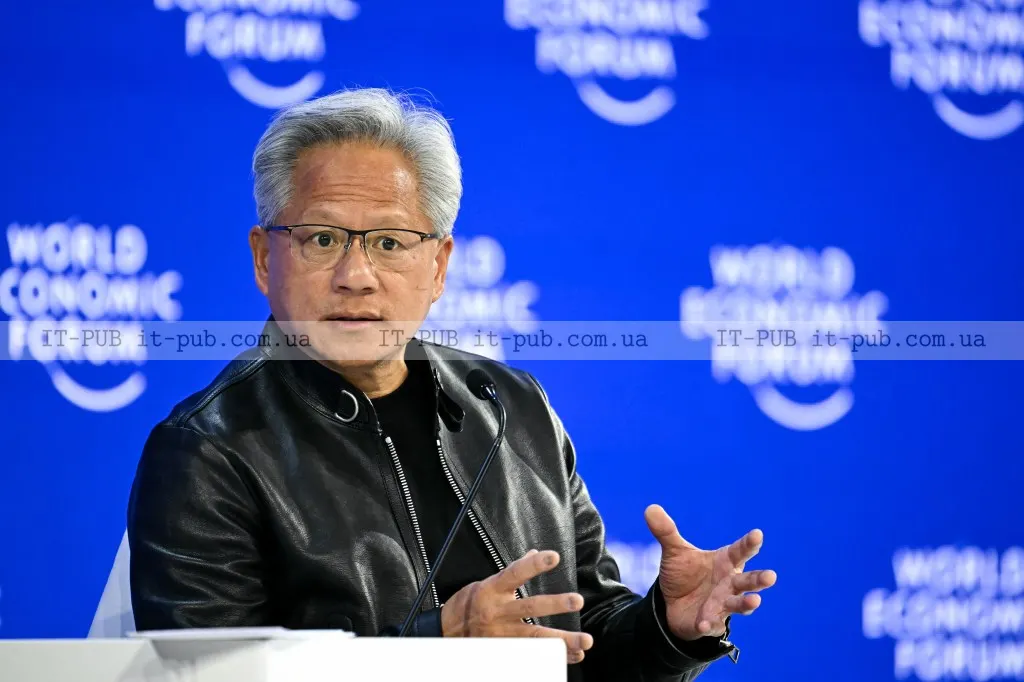
Nvidia posted strong earnings but is also dealing with tighter China chip limits and renewed public pressure over Jensen Huang’s possible return.
Nvidia spent this week under two very different spotlights. The company reported strong earnings and said it has no plans for former CEO Jensen Huang to return. At the same time, high-profile tech figures, including Elon Musk, kept pushing for Huang’s comeback and circulated a petition.
That contrast has created an unusual moment for one of the most closely watched AI chipmakers. Nvidia is telling investors it is stable and can manage the situation. But it is also dealing with fresh limits on sales to China, a market that remains central to the broader debate around its business.
Nvidia projects confidence after strong earnings
The upbeat side of the story came from Nvidia’s latest earnings report. According to the discussion on TechCrunch’s Equity podcast, the company beat expectations and said its outlook remained strong, with executives presenting Nvidia as steady and confident.
Kirsten Korosec described the week as “the tale of two Nvidias,” pointing to the gap between the company’s financial performance and the noise around its leadership. In her view, the current leadership team was trying to reassure investors that things were under control.
That message came through on the earnings call, where Colette Kress closed with the line, “Hey, we’ve got this.” Still, the confidence from Nvidia’s leadership did not stop outside speculation about whether Huang could one day return.
Elon Musk and others keep the return campaign alive
While Nvidia’s executives were projecting calm, social media and tech events were feeding a different narrative. Korosec said Elon Musk and others were openly pushing to bring Jensen Huang back, including through a petition, while Huang himself said he was prepared to return.
The discussion on the podcast suggested this has moved beyond idle chatter. As IT-PUB News notes, the issue has become a public conversation among some of the biggest names in tech, helping explain why it has drawn so much attention.
Anthony Ha said the public push has raised questions about how secure Nvidia’s current position really is. Even so, the company’s official stance remains that Huang’s return is not happening.
The panel also pointed out that Nvidia’s position has shifted before. A week and a half earlier, the company was publicly standing behind Huang and expressing confidence in his leadership. The speed of that change is one reason the issue is being watched so closely.
China chip restrictions create a more concrete problem
The leadership debate is unfolding alongside a separate and more immediate business issue: Nvidia is no longer selling its H200 chips in China.
Korosec said the decision came directly from interim CEO Colette Kress and aligns with a broader effort by the Trump administration to tighten restrictions on chip access. The aim, as described on the podcast, is to shut down remote-access routes that had allowed Chinese companies to use chips indirectly through data centers in places such as Malaysia and other countries.
According to that discussion, that channel is now also being closed off. In other words, the pressure is not just about direct exports, but also about routes through third countries that may have allowed chips to reach China.
The panel stressed that this is part of a much larger policy fight, not just an Nvidia issue. Still, Nvidia has now publicly said it is shutting this part down, making the change significant for its business.
China exposure could hurt revenue, but the scale is uncertain
One of the more striking points raised on the podcast was the estimate that critics believe around 20% of Nvidia’s business comes from China. That figure does not appear directly in the company’s financial statements, because it is not framed as direct sales to Chinese companies.
Instead, the concern is that chips sold to companies in Malaysia or other parts of East and Southeast Asia may ultimately be used by companies in China. If Nvidia is serious about cutting off that path, Anthony Ha said, the move could be a meaningful hit to the bottom line.
At the same time, Nvidia’s financial position still appears strong. Korosec said the company’s guidance was “incredible,” that it beat expectations, and that it has a long pipeline. So while the China restrictions could matter, Nvidia is not entering this period from a position of weakness.
That is what makes the situation harder to read. The company is doing well financially, but one of its important markets is becoming more difficult to serve.
The board appears determined to hold the line
Beyond the business and policy questions, there is also a governance issue. Korosec said the board appears to want to stay in control and avoid looking as if it is being pushed into a decision by outside pressure, especially from a figure like Elon Musk.
She also suggested that even if Huang were ever to return, Nvidia would want that to look like a controlled decision rather than a response to public pressure. The panel said the board does not want to appear deferential to another tech billionaire.
Tim De Chant added that the speed with which Nvidia pushed back on the return petitions suggests there may be more happening behind the scenes than the public can see. He said that is something to watch in the coming weeks.
The discussion also touched on the possibility of internal tension, though no specific facts were provided beyond the public statements and the current investigation into how much was known about chips allegedly being sold secretly to China. The full picture, the panel said, is not yet known.
Nvidia is now juggling politics, policy, and performance
This moment matters because Nvidia sits at the center of two major tech storylines at once: the global race for AI hardware and the politics of corporate leadership. The China restrictions could affect how the company moves chips across borders, while the Huang debate shows how much attention one executive can still command.
For investors, the main question is whether Nvidia’s growth can continue under tighter limits. For the wider tech world, the issue is whether the company’s leadership remains stable or whether public pressure becomes harder to ignore.
For now, Nvidia is publicly saying no change is coming. But strong earnings, export curbs, and loud calls for Huang’s return have combined to make this one of the company’s more complicated public weeks.