Midterms add pressure to data centers and Musk
Local votes and new political momentum could complicate data center approvals, while OpenAI is already shifting how it presents projects.
Democrats’ strong showing in this week’s midterm elections could directly affect one of the tech industry’s biggest infrastructure bets: data centers. In local races, voters rejected some ballot measures tied to these projects, while some winning candidates campaigned on limiting them. That is drawing attention because slower approvals would hit expansion plans for major tech companies and add new political and financial pressure to AI infrastructure.
The significance goes beyond one election cycle. Tech companies are running into local resistance, environmental concerns and a broader political shift that could make new projects harder to approve. Some companies are already adjusting how they talk about these plans — and how much they disclose.
Local ballot fights put data centers at the center
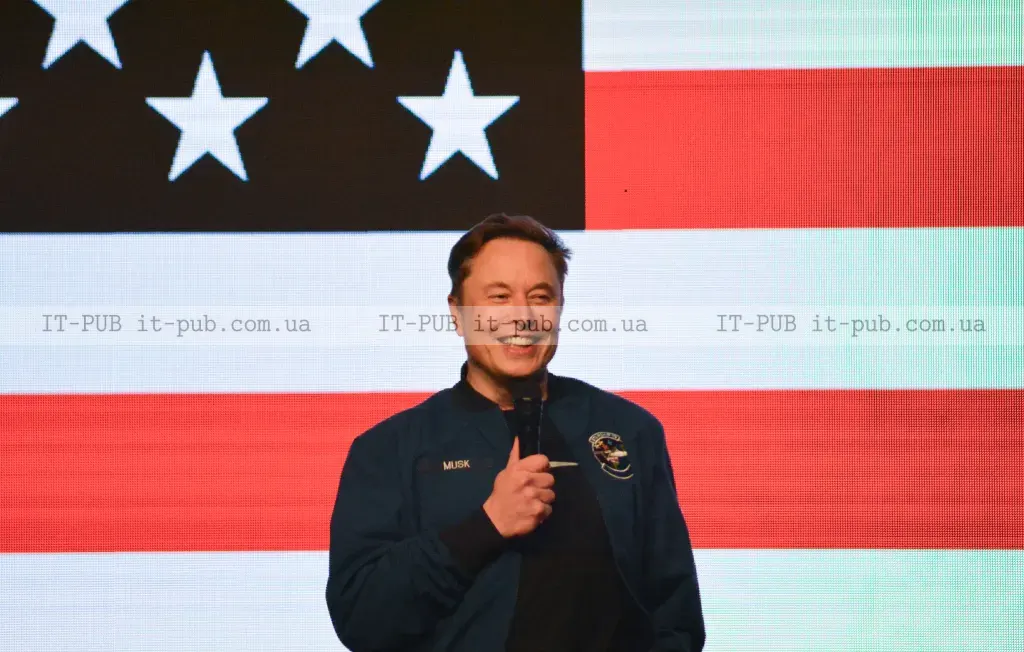
On the latest episode of TechCrunch’s Equity podcast, the hosts discussed how the midterms could reshape parts of the tech landscape. Sean O’Kane pointed to Elon Musk as one notable example, saying he appears to have gained little from donating hundreds of millions of dollars to Republicans while his companies are based in a state that has moved sharply toward Democrats.
The episode also focused on dozens of local ballot measures connected to data centers. As IT-PUB News notes, the trend was not simply about clearing the way for faster construction. Many of the measures were aimed at restricting data centers or imposing moratoriums on them, and almost all of those passed.
That matters because data centers are the physical backbone of cloud services and AI systems. They need land, power and water, which has turned them into a growing source of tension in communities worried about environmental and practical costs.
Opposition to data centers is spreading across party lines
Kirsten Korosec said the data center fight was not the single reason behind the election results, but she described it as an increasingly grassroots issue. She pointed to the way hyperscalers and other companies have handled approval processes, saying projects have often moved forward in secret, sometimes with elected or appointed officials required to sign NDAs.
She also cited concern about the size of some projects, especially in environmentally sensitive regions, including the Southwest, where water scarcity is already a serious issue. In her view, that has helped turn data centers into an issue that resonates with Republicans, independents and Democrats alike.
Anthony Ha said the issue seems to cut across party lines, even if Democrats were more effective at channeling that energy in this election. He suggested that anti-AI — and especially anti-data center — sentiment may now be a meaningful political force, one that could keep shaping races in the years ahead.
For tech companies, that creates a different kind of uncertainty. The question is no longer just whether a project can be built, but whether local opposition will keep growing and whether future elections will bring more restrictions.
Texas faces new scrutiny over data center growth
The discussion also singled out Texas as a state where the pressure could become more visible. The source says Gina Hinojosa, the governor-elect, campaigned on restricting data centers and is expected to focus on that issue after taking power.
That stands out because Texas has been an important state for major tech operations. Sean O’Kane argued that the election outcome leaves the industry facing “roadblocks ahead” for data centers, particularly in places where political leadership now appears more skeptical of further expansion.
The concern is that this may not fade with the current cycle. Anthony Ha said companies may worry that the issue will stay alive not only with officials elected this year, but in future races as well, including 2028 and beyond. The political risk, in other words, may last longer than the immediate headlines.
OpenAI changes its approach as scrutiny grows
One of the clearest immediate responses mentioned in the conversation came from OpenAI. Kirsten Korosec said the company has already released what it calls a “compute campus policy blueprint” and is changing its approach by no longer requiring NDAs and by promising to share more information about its plans.
The source presents that as a sign that companies respond when regulatory signals become harder to ignore. If secrecy is likely to be punished and openness rewarded, businesses may change course. If not, Korosec suggested, they may keep operating as they have.
Anthony Ha added that the term “compute campus” may itself be an attempt to rebrand data centers, which have become a toxic phrase in public debate. He questioned whether the new wording will really stick, while Sean O’Kane said it was unlikely to change much.
Even so, the shift is notable. It shows how sensitive the industry has become to public perception, with language now part of the fight alongside engineering and permitting.
Politics and Wall Street are squeezing the same plans
The election may be only part of the problem. Anthony Ha said Wall Street is also becoming less enthusiastic about hyperscalers and AI companies spending heavily on new data centers and compute capacity.
That adds a second layer of pressure. If regulators make projects harder to approve and investors are less excited about the spending, companies could be squeezed from both sides. At the same time, the source points to the basic contradiction at the center of these plans: if companies want the scale they are targeting, they still need data centers somewhere.
That is what makes the post-midterm picture matter. The issue is not just whether AI and cloud companies can keep expanding quickly, but whether they can do it in a way that communities, regulators and investors are willing to accept.