How to Choose a VPN Service for Real-World Use
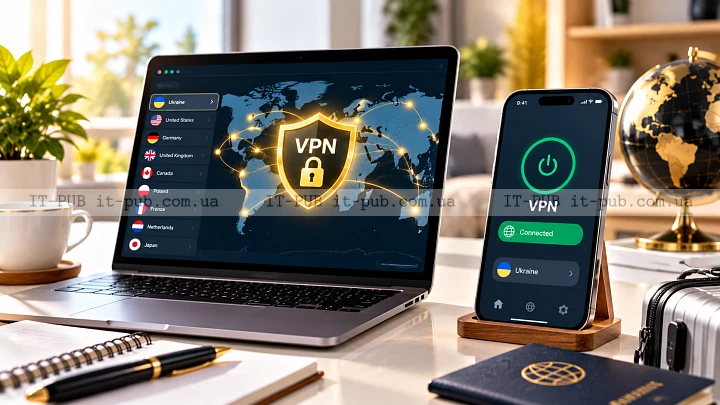
A VPN can help protect your traffic, lower your exposure on public Wi-Fi, and give you more control over how your connection appears online. But VPNs are not all built the same, and the right one depends on what you actually want it to do.
If you are trying to figure out how to choose a VPN service, start by ignoring the slogans. A solid option should be secure, reasonably fast, easy to use, and clear about how it handles your data.
Start with the reason you need a VPN
Before comparing providers, get specific about why you want a VPN in the first place. People use them for very different reasons, and that should shape the decision.
Some want more privacy on public Wi-Fi. Others need a safer way to connect to work systems from home or while traveling. Some are mainly trying to reduce tracking from internet providers or networks they do not control. Others care about accessing services that work differently depending on location.
That difference matters. No single service is perfect for every situation. A VPN that works well for casual browsing may not be the best fit for remote work. A beginner-friendly app may not offer the level of control an advanced user expects. Once your main goal is clear, it becomes much easier to choose a VPN without getting distracted by features you may never use.
Look closely at privacy and logging claims
Privacy is one of the main reasons people use a VPN, so this is not the part to skim. When you use a VPN, your traffic passes through that provider’s servers. That means you are placing trust in the company behind it.
What matters is not just whether a provider says it has a no-logs policy. You also want to see whether that policy is explained in plain language, and whether the company is upfront about what data it does collect for billing, service operation, or troubleshooting. Some collection is normal. It should still be limited and easy to understand.
A trustworthy VPN service should be transparent about its privacy practices. If the policy feels vague, too broad, or unnecessarily hard to read, that is a warning sign. When it comes to VPN privacy and security, clear documentation tells you more than polished marketing ever will.
Check the security features that actually matter
A VPN only helps if it protects your traffic properly. That starts with modern encryption and support for secure protocols. You do not need to memorize every technical detail, but it is worth knowing that protocol choice affects both security and performance.
A good VPN service should also include essentials like a kill switch. If the VPN connection drops, the kill switch blocks internet traffic so your data is not exposed by accident. For many users, that matters far more than a long list of flashy extras.
It is also worth checking for protection against DNS leaks and similar privacy issues. These are not always the features providers put front and center, but they have a direct effect on how well the VPN works in practice. Security is not a bonus feature. It is the product.
Speed matters more than many buyers expect
Most VPNs affect speed at least a little, simply because your traffic takes an extra route. That does not automatically mean the experience will feel slow. A well-built service keeps the impact low enough that browsing, calls, streaming, and downloads still feel normal.
When comparing options, look for signs that the provider has invested in performance. Server quality, network design, and protocol support all matter. A strong service can feel almost invisible in daily use. A badly optimized one makes everything drag.
It also helps to think about speed in practical terms, not just as a number on a test. Does browsing stay responsive? Do video calls remain stable? Can you download larger files without constant frustration? If you want the best VPN service for everyday use, those real-world details matter more than headline claims.
Make sure it works on the devices you use
A VPN should fit into your setup without creating extra hassle. Before you commit, check whether it supports the devices and operating systems you actually use. That may include laptops, phones, tablets, and possibly routers or smart home setups if you need wider coverage.
The app experience matters too. Some services aim for simplicity, while others offer more settings and control. Neither approach is automatically better. It depends on whether you want something close to one-click or something more configurable.
If you use several devices, look at the number of simultaneous connections included. That small detail can decide whether one subscription is enough for your household or work setup. Compatibility is easy to overlook, but it is also one of the easiest ways to avoid frustration later.
Choose a service with a clear server network
A VPN depends heavily on its server network. The useful question is not just how many servers a provider lists, but where they are and how reliable they are in practice. A well-distributed network can help with speed, stability, and connection flexibility.
For most people, sensible server coverage is more useful than an oversized feature list. If you need a VPN for travel, work, general browsing, or even VPN for streaming, stable locations and reliable connections matter more than big numbers on a landing page. If you have a more specific use case, location coverage becomes even more important.
It is also worth checking whether the provider explains how its servers are managed. Some rely on physical servers in data centers, while others use different infrastructure approaches. You do not need deep technical knowledge here. The main thing is that the network should be dependable, not just large on paper.
Be realistic about streaming and location-based access
A lot of people choose a VPN because they want access to content or websites that behave differently by region. That is a fair reason, but it helps to keep expectations grounded.
Not every VPN works equally well with every platform. Some services try to detect VPN traffic and block it, and providers can change those systems over time. So a VPN that works smoothly in one case may not be equally reliable in another.
If this is one of your priorities, look for a provider with a solid reputation in that area. Just do not make it your only test. A VPN for streaming still needs to be secure, private, and stable. Extra access is useful, but not if it comes with weak privacy or unreliable performance.
Read the privacy policy and terms before you buy
It is easy to skip the legal pages, but some of the most important details are buried there. The privacy policy and terms of service can tell you how the provider handles account information, payment data, support requests, and abuse reports.
You do not have to read every line like a lawyer. Focus on the sections that explain what data is collected, why it is collected, and how long it is kept. It is also worth checking how the company says it responds to legal requests and whether those explanations are direct or evasive.
A good VPN service should not depend on confusion. If the wording is hard to follow or full of vague language, that may point to weak transparency. Clear rules are a good sign when a service is handling your internet traffic.
Free VPNs deserve extra caution
Free VPNs are appealing, especially if you only need occasional protection. But there is almost always a tradeoff. Running a VPN costs money, so if users are not paying directly, the provider still needs some kind of business model. That may mean ads, data collection, usage limits, or weaker performance.
That does not mean every free option is bad. It does mean you should be careful about what you are accepting. A free service may come with fewer servers, slower speeds, stricter data caps, or weaker support. In some cases, it may also be less transparent than a paid provider.
If privacy is one of your main concerns, a reputable paid VPN is often the safer long-term choice. The price can be easier to justify when the service is more stable, better supported, and clearer about its data practices.
Support and reputation still matter
Even a good VPN can run into setup issues or connection problems. That is why support quality matters more than people often expect. A useful knowledge base, responsive support team, and clear setup guides can save a lot of time when something stops working.
Reputation matters too, though it is worth judging carefully. Look for consistency, not hype. A provider that explains its technology clearly, keeps documentation updated, and responds to problems directly is usually a better bet than one that leans on aggressive marketing.
You do not need the most famous brand. You need one that behaves predictably and communicates well. In a category built on trust, that counts for a lot.
Match the price to the value you need
Price matters, but it should not drive the whole decision. The cheapest option is not always the best value, and the most expensive one is not automatically the best VPN service either. The real question is whether the features, performance, and trust level justify the cost.
Think about what you are paying for. Are the privacy practices strong? Is the speed stable enough for daily use? Does it support the devices you need? Is the app actually pleasant to use? And are there hidden limits or confusing renewal terms?
It also helps to compare subscription lengths and what each plan includes. Some providers keep the core service simple. Others bundle extra tools. Those extras may be useful, but only if you will actually use them.
A practical way to narrow down your choice
If you want a simple way to decide how to choose a VPN service, start with four questions. Does it explain privacy clearly? Does it include the security features you need? Does it work well on your devices? Is it fast enough for your normal online activity?
Once those basics are covered, you can look at the details that matter for your situation. That might be server location, support quality, or how well it handles travel, streaming, or VPN for public Wi-Fi.
The right VPN is rarely the one with the loudest claims. It is the one that fits smoothly into your routine and does its job without constantly reminding you it is there.
A good VPN should feel dependable. It should give you more control, not more confusion. Keep your focus on privacy, security, speed, and real-world usability, and you will be in a much better position to choose a VPN service that stays useful over time.