Flock CEO urges compromise as backlash grows
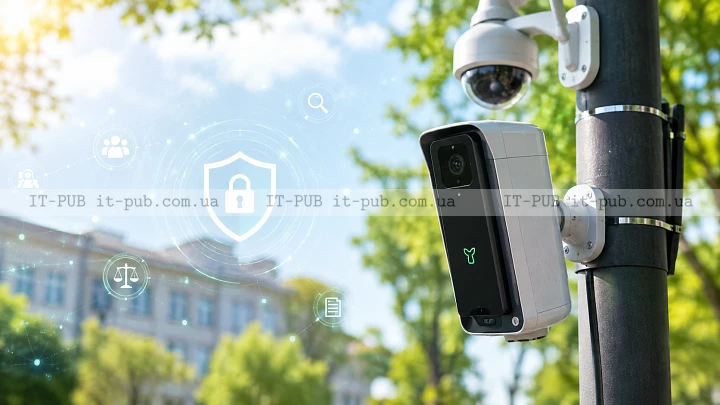
Garrett Langley says privacy and safety must be balanced as Flock faces scrutiny over camera and plate-reading tools tied to alleged police misuse.
Flock Safety CEO Garrett Langley is calling for a “compromise” between privacy and safety as his company faces growing criticism over how its surveillance tools are used. The argument has moved well beyond the technology itself, touching politics, policing, and civil liberties. At the center of it are concerns that Flock’s cameras, drones, and license plate recognition systems can be misused by police officers. Some of those concerns are no longer hypothetical — they have already led to documented allegations of abuse.
Langley says privacy and safety should not be treated as absolutes
In a recent Fox News interview, Langley argued that the country should stop treating privacy and safety as opposing absolutes. Instead, he said, the focus should be on balancing the two.
“When people talk about just one of these, privacy or safety, they’re prioritizing the wrong thing, and what we have to prioritize as a country is compromise,” he said. “How do we have our safety, and how do we balance privacy?”
His comments come as Flock remains under public scrutiny over the scope of its surveillance products. As IT-PUB News notes, the company has become a visible example in a broader debate over how much monitoring is acceptable in daily life, especially when police are the ones using it.
Alleged police misuse has intensified criticism
The backlash is not driven only by abstract privacy fears. The Washington Post recently identified 46 cases in which police officers were accused of using Flock technology for unauthorized purposes. Those alleged abuses included stalking wives, girlfriends, or exes.
Langley responded to one alleged victim after hearing an interview with her on CBS News. “I apologize. It kills me that she went through that,” he said.
At the same time, he pushed back on the idea that Flock itself caused the abuse. “I don’t think that Flock created police abuse,” he said. “I think we’re the first company to ever shine a light on it and build the tools to find it.”
That distinction is central to Flock’s defense. The company is framing itself not as the source of misconduct, but as the provider of tools that can be used properly or improperly. Critics, though, are asking whether the technology makes abuse easier to carry out, even if it also helps expose it.
Flock is drawing criticism from both Democrats and Republicans
The controversy has also become political. Flock is now facing criticism from both Democratic and Republican figures, a sign that the issue has spread beyond the usual privacy advocacy circles.
On the left, Michigan Democratic Senate nominee Abdul El-Sayed accused his opponent Mike Rogers of supporting “this mass proliferation of Flock cameras, any and everywhere, watching your every move to collect information without you even noticing.”
Senator Bernie Sanders also weighed in, posting: “STOP AI MASS SURVEILLANCE. STOP FLOCK.”
On the right, three House Republicans introduced a bill that would block the federal government from buying automated surveillance systems that use facial recognition, biometric IDs, or license plate recognition. The proposal specifically includes “a Flock Safety camera.”
Taken together, those responses show that the debate is no longer confined to privacy groups. It is becoming part of a wider fight over government surveillance, law enforcement powers, and the limits of automated tracking.
Flock changed some defaults, but critics say key gaps remain
Flock has already made some changes in response to the criticism. The company reduced its default data retention period from 30 days to seven days. It also now requires a case code before data can be accessed.
Critics say those steps do not settle the issue. Both settings can still be overridden. Police, for example, can keep data longer by using a setting called Evidence Mode.
That leaves a basic question unresolved: how strong are the safeguards in practice? If officers can still extend retention or access data under certain conditions, critics may see the changes as limited rather than fundamental.
The American Civil Liberties Union offered a cautious response. It said, “While Flock has not shortened the default retention period to the ACLU’s recommended 48 hours, its proposal may be a step in the right direction. Whether this is a real change or just another Flock PR move, however, will depend on how its ‘Evidence Mode’ operates.”
Regulation and accountability are becoming central to Flock's defense
Langley has said state regulators should “pass bills that make [the illegal use of Flock data] a criminal offense.” In the Fox News interview, he also argued that the current environment leaves too much room for abuse.
“Today, it is too often that in Flock and in other technologies, there’s no regulation. There’s no accountability, and we think that’s wrong,” he said.
That shifts part of the discussion toward regulation and enforcement, not just product design. But criticism from lawmakers and civil liberties groups suggests many want stronger limits on how these tools can be used in the first place.
The stakes go beyond one company. Tools that track vehicles, people, or locations may help investigations, but they also raise serious concerns when access is broad or oversight is weak. For ordinary people, the argument is ultimately about how visible they should be to authorities in public spaces — and who gets to decide when that visibility goes too far.
TechCrunch said it will also ask Langley about these issues when he appears on stage at its Disrupt conference in October. For now, Flock is trying to defend its role in public safety while under growing pressure to show that its tools will not become instruments of abuse.