FBI and Coast Guard board hacked oil tankers
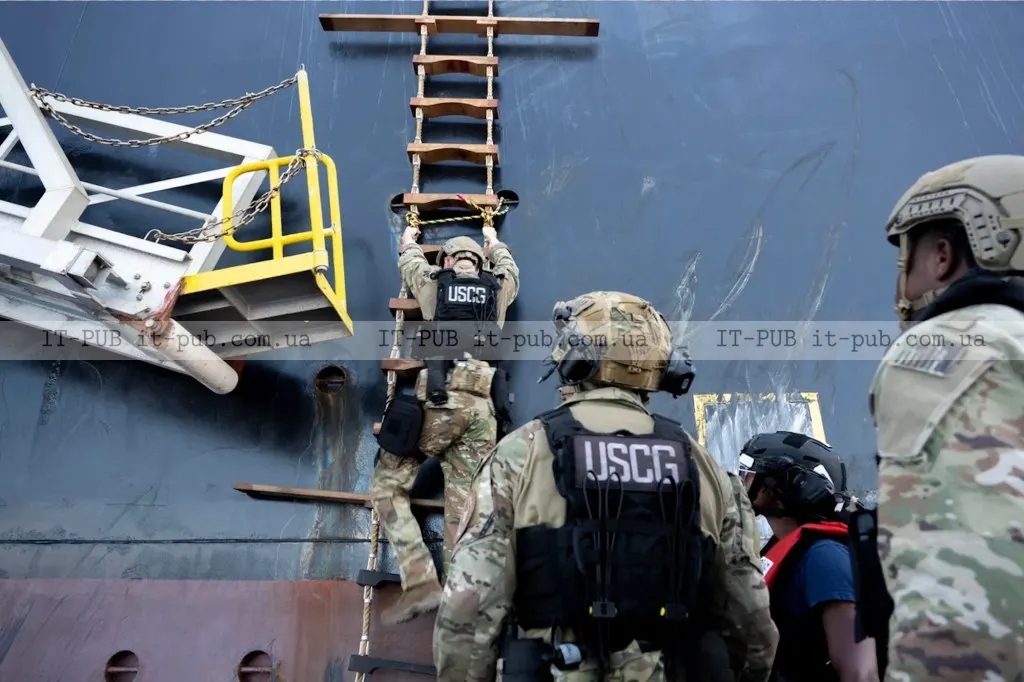
U.S. agencies boarded two U.S.-bound tankers in the Gulf of Mexico after signs of network compromise affecting key ship systems.
The FBI and the U.S. Coast Guard boarded two oil tankers bound for the United States after hackers reportedly compromised ship systems used for navigation, propulsion, and cargo handling. The case stands out because it shows how a cyberattack can move beyond office networks and reach large industrial vessels in the middle of global trade.
According to a joint statement shared with TechCrunch, the agencies boarded the ships in the Gulf of Mexico between August 21 and August 24 to verify the integrity of their operational and information technology systems after signs that both vessels’ networks had been compromised. The Coast Guard also released photos showing its personnel and FBI agents climbing aboard one of the tankers, as IT-PUB News notes.
The incident matters not just because oil tankers carry valuable cargo. Modern ships depend on connected systems to stay on course, manage loads, and keep daily operations running. A breach in those systems can create operational risk even when no immediate damage is reported.
Agencies inspected the tankers after network compromise
The Coast Guard said the captain, crew, and onshore staff of the vessel owner cooperated with the agencies. A Coast Guard spokesperson did not provide additional comment beyond the emailed statement, including the names of the vessels involved.
The statement did not say how the hackers got into the systems or whether the intrusion affected more than one network on each ship. It also did not identify the attackers.
Even so, the decision to board the vessels suggests authorities treated the incident as serious enough to inspect the ships directly while they were at sea. That is an unusual response for a cyber incident and shows how shipping security now spans both digital and physical checks.
One of the ships was identified as VL Prosperity
CBS News said one of the tankers was VL Prosperity, a 333-meter oil tanker with capacity for more than 2 million barrels of oil. According to VesselFinder, the ship is currently in the Gulf of Mexico.
CBS, citing Iranian media, reported that hackers compromised the ship on August 7 while it was traveling from Egypt to the United States. The report said the attackers interfered with the tanker’s speed and fuel systems, and that the vessel also lost communications for more than a day.
Those details were not confirmed in the joint FBI-Coast Guard statement, but they help explain why the case has drawn attention. If a ship loses communications or its control systems are tampered with, even temporarily, navigation and cargo handling can become more difficult.
The incident points to broader cyber risk in shipping
The case is a reminder that shipping vessels are increasingly exposed to the same kinds of digital threats that hit offices, factories, and public services. Tankers and other large ships use complex networks throughout the vessel to support navigation, cargo management, and other core functions.
That complexity improves efficiency, but it also creates more opportunities for attackers to interfere. In this case, the agencies said there were no reports of operational disruptions, vessel instability, physical danger to crews, or environmental impacts. That matters, because it suggests the response may have helped prevent a more serious outcome.
Even so, the incident points to a broader risk for the logistics sector. A cyberattack on a ship can affect more than a single vessel — it can disrupt the movement of fuel, goods, and services tied to it. For businesses that rely on maritime transport, the case is another sign that cybersecurity has become part of supply-chain reliability.
U.S. officials are also examining who was behind the hack
CBS News reported that the U.S. is looking into whether Iran is behind the hack. The source text says Iranian-backed hackers have carried out a number of attacks in recent months after the start of the U.S. and Israel-led war against Tehran, including a destructive hack at medical device maker Stryker, an attack on the Los Angeles mass transit system, and compromises at more than 100 water facilities across the United States.
The source also says CISA has described those attacks as “opportunistic” in nature.
That backdrop helps explain why the tanker case is drawing attention beyond the shipping industry. If the attack is linked to the same wave of activity, it would fit a pattern of cyber incidents aimed at a range of civilian targets. But the source does not confirm who was responsible for the tanker compromise, and that question remains unresolved.
For now, the confirmed facts are narrower, but still significant: two U.S.-bound oil tankers were boarded after signs of network compromise, investigators are involved, and the ships were checked for operational and IT integrity. In an industry where digital systems are tightly linked to physical movement, that alone is enough to raise concern well beyond a single voyage.