What Is an API and Why It’s So Useful
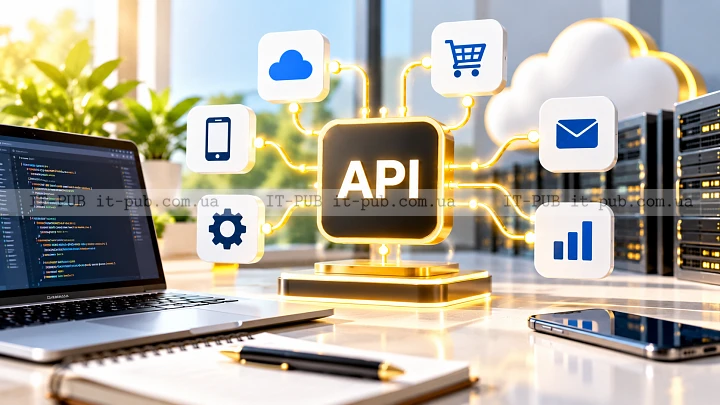
What is an API, and why does it show up in so many conversations about software, apps, and digital products? At its core, an API is a way for software systems to communicate. It lets apps share data and functionality without opening up everything that happens inside.
It may sound technical at first, but the basic idea is familiar. If you check the weather in an app, sign in with a social account, or pay through an online service, there is a good chance an API is handling part of that exchange in the background.
What an API actually is
API stands for application programming interface. That full term explains a lot. An API is an interface, which means it defines how one system can interact with another. It is not the whole application. It is the controlled entry point that allows other software to ask for something and receive a response.
A simple way to picture it is a restaurant menu. The menu tells you what you can order, but it does not show what is happening in the kitchen. In the same way, an API shows what a system makes available and how to request it, without exposing the internal code behind it.
That separation is a big part of why APIs are useful. It helps keep software cleaner, safer, and easier to maintain.
How APIs work in practice
If you are wondering how APIs work, the usual pattern is straightforward: request and response. One system sends a request. Another system receives it, processes it, and returns a response.
Say a travel website needs current flight information from an airline system. Instead of building and maintaining its own flight database, the site can request that data through an API. The airline system sends back the information in a structured format, and the website shows it to the user.
The same pattern appears all over the place. A mobile app can request account details from a server. A payment service can confirm whether a transaction went through. A map on a website can pull in location data from another platform.
What matters is that the systems do not need to know each other’s internal structure. They just need to follow the same communication rules.
Why APIs are so useful
APIs save time, reduce duplicated work, and make software more flexible. Without them, every company would have to build far more from scratch. That would be slower, more expensive, and much harder to scale.
They also make it easier for different tools to work together. Many businesses rely on software from multiple vendors, and an API makes those tools easier to connect so data can move between them automatically. That cuts down on manual work and helps reduce errors.
There is also a product development benefit. One team can build one part of a system while another team works on something else. As long as both sides follow the same API rules, the pieces can come together later. That makes development more structured and easier to test.
Most users never see APIs directly. Still, they shape the experience in very real ways. They help apps pull in fresh information, keep systems in sync, and connect features that would otherwise feel disconnected.
Common API examples you already use
You probably use services powered by APIs every day without noticing.
When you sign in to a website with another account, an API may be used to verify your identity. When a shopping app shows delivery tracking, an API may pull updates from a courier service. When a site displays a map, it often relies on an API to load location data and map tiles.
The same idea applies in business software. A customer relationship system may send data to an email platform. An online store may pass order details to inventory software. A finance app may pull transaction records from a bank or accounting service.
These API examples all follow the same basic model: one system requests data or an action, and another responds in a predictable way.
API meaning for non-technical users
For beginners, the phrase API meaning can feel a bit abstract. The easiest way to understand it is to focus on the job an API does.
It is a controlled way for software to ask for something. That could mean requesting data, sending data, triggering an action, or checking whether something is allowed. The API defines the rules for that exchange.
This is different from the interface a person sees on a screen. A user interface is built for people. An application programming interface is built for software. The two often work together, but they are not the same thing.
That difference matters because it explains why APIs are so important in modern systems. They allow software to communicate directly, without someone having to move information manually from one tool to another.
How APIs help developers build better systems
Developers use APIs to reuse existing services instead of rebuilding them from the ground up. That often makes software more reliable and easier to improve over time.
One major advantage is modular design. A system can be split into separate parts, with each part handling a specific task. One service might handle authentication, another payments, and another analytics. APIs connect those pieces.
Speed matters too. If a team can use an existing API for maps, messaging, or payments, it can spend more time on the core product instead of recreating common features that already exist elsewhere.
APIs also support integration across platforms. The same service can work on a website, inside a mobile app, and within partner systems through the same interface. That consistency is one reason APIs are used so widely in modern software architecture.
The main types of APIs in simple terms
There are a few ways to classify APIs, but one of the most common is based on who gets to use them.
Some APIs are public, which means they are available to outside developers or partner companies. These are often used to build integrations or extend a platform’s capabilities.
Others are private, meaning they are used only inside a single organization. Internal APIs help teams and systems work together without exposing that interface publicly.
There are also partner APIs, which sit somewhere in the middle. They are shared with selected external organizations under specific rules.
You may also hear the term web APIs. These are APIs accessed over the internet, usually through standard web protocols. They are common because they work well across many devices and systems.
REST API and why people mention it so often
REST API is one of those terms that comes up constantly in web development. REST is a style for designing APIs that follows standard web conventions in a simple and consistent way.
You do not need to dive into every technical detail to get the idea. A REST API usually organizes data into resources and uses standard request methods to work with those resources. That makes the behavior easier for developers to predict.
Part of the reason REST is so popular is that it is straightforward and widely supported. It is not the only way to design an API, though. Other approaches exist too. The main point stays the same: software needs a clear and reliable interface for communication.
What makes a good API
A good API is clear, consistent, and stable. Developers should be able to understand how it behaves without having to guess. Good naming helps, and so does a logical structure.
Documentation matters just as much. Even a powerful API becomes frustrating if the documentation is weak. Developers need to know what each request does, what data it expects, and what kind of response it returns.
Security is another major part of the picture. APIs often deal with sensitive data or important actions, so proper access control is essential. That can include authentication, permissions, and limits on who can use the service.
Reliability matters too. If an API fails often, the systems connected to it can fail as well. Good API design is not only about what features are available. It is also about predictability and trust.
API integration in everyday business
API integration is one of the most practical uses of APIs. It means connecting different software tools so they can exchange data automatically.
A business might connect an online store to a shipping platform, a CRM system, and an accounting tool. When an order is placed, the data can move through those systems without anyone copying it by hand. That reduces delays and helps keep records consistent.
Integration also improves reporting. Data from separate tools can be brought together in one dashboard or analytics system, giving teams a clearer view of what is happening across operations.
This is a big reason APIs matter in digital transformation. They help businesses connect older systems with newer ones and build workflows that are far more efficient than manual processes.
API security and why it should not be ignored
Because APIs connect systems, they can also create risk if they are not protected properly. A poorly secured API may allow unauthorized access to data or functions.
Good API security usually starts with authentication, which confirms who is making the request. Then comes authorization, which determines what that user or system is allowed to do. The two are closely related, but they are not the same.
Encryption is often important as well, especially when data moves across networks. Rate limiting can help prevent abuse by restricting how many requests a client can make within a certain period. Logging and monitoring matter too, because they help teams detect unusual behavior.
Security is not something to tack on later. It is part of responsible API design from the start.
Why APIs matter for the future of software
APIs are not some narrow topic meant only for developers. They are one of the basic building blocks of modern digital services. As software becomes more connected, APIs become even more important.
They make it possible for products to work together instead of operating in isolation. They let companies build on existing services instead of starting from zero every time. They support automation, integration, and faster product development.
For users, that often means smoother experiences and tools that work better together. For businesses, it means more flexibility and room to scale. For developers, it means a cleaner way to build systems that can grow over time.
Once you understand what is an API and what role it plays, a lot of digital products start to make more sense. The hidden connections between apps, websites, and services often come down to one simple model: one system asks, another responds, and both stay organized through a shared interface.