Apple’s iPhone Duo wins over a cautious tester
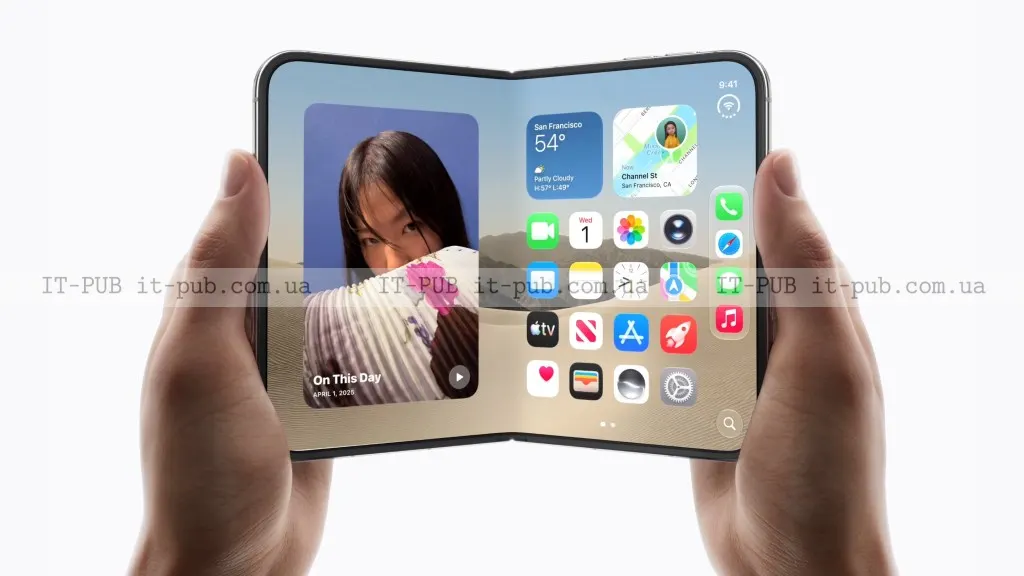
A five-day vacation with Apple’s foldable exposed app bugs, Touch ID hassles and camera trade-offs, but also changed how the tester used the phone.
Apple’s new iPhone Duo made a strong impression on a tester who had expected to switch back to a regular iPhone after a five-day vacation with the foldable. The device brought plenty of frustrations — broken apps, a return to Touch ID, and camera compromises among them — but it also changed how the phone fit into daily life. By the end of the trip, the tester said they no longer wanted to go back.
That matters because the Duo is not just another iPhone model. It is Apple’s foldable phone, with a different shape, different habits and a different software experience. As IT-PUB News notes, the review suggests the device’s appeal is tied as much to changed behavior as to the hardware itself, even as those same qualities create friction for early users.
Apple’s foldable iPhone quickly felt less awkward
The tester started the trip with some hesitation. At about $2,000, the Duo was a costly experiment, and moving from an iPhone 17 Pro Max to a foldable was described as a major shift. Its short, squat design felt unfamiliar at first, especially for someone used to the long rectangular shape of a standard iPhone.
That discomfort did not last long. In daily use, the phone proved less awkward than expected. It fit in both front and back pockets, even with a case, and survived repeated sitting in a back pocket without breaking. It also made it through three accidental drops — onto concrete, tile and wood floors — without cracking the screen.
That stood out because foldables often raise durability concerns. In this case, the tester said the Duo held up better than expected during normal travel use.
App glitches and unoptimized layouts got in the way
Not everything went smoothly. The small outer screen made it harder to scroll back through text threads, and some apps that were not optimized for the Duo tucked important controls into three-dot menus. The biggest software annoyance, though, came from Google Search.
During the trip, the Search app repeatedly froze, and tapping the back button did nothing. The tester said the issue seemed tied to Search’s AI Mode, which users are often dropped into without asking for it. The fix was to force-close the app and reopen it. Because the app was used constantly during travel to check places, restaurants, distances and weather, the bug became a serious irritation.
There was also the broader issue of app support. Early reviews had already pointed out that many apps were not redesigned for the Duo at launch, leaving a black bar on the side and cutting into the usable space on the folded screen. The tester agreed, but did not treat that as a dealbreaker. Many companies, the review said, have been issuing Duo-optimized updates quickly, while older apps that remain unchanged are still usable, if less polished.
Google Maps was one example. It had not been optimized during the vacation, but it still handled navigation, local search and route planning. In the tester’s view, the black bars were more of an aesthetic annoyance than a functional problem.
Touch ID, not the display, caused the most friction
The most consistent frustration was not the screen or the camera. It was Touch ID. The tester called it the Duo’s biggest drawback, especially after years of relying on Face ID on other iPhones.
Unlocking the phone itself was not the main problem, since an Apple Watch could work as an alternative authentication method. The real trouble showed up in apps and with Apple Pay. Paying at checkout became clumsy, especially when the tester was also juggling shopping bags, a purse and a dog leash.
There was a learning curve in getting used to Touch ID again. The easiest method was to cradle the phone and use a thumb to authenticate, but even then the finger had to stay on the sensor long enough and in the right position. The reviewer said they repeatedly missed the sensor or lifted a finger too soon. That made checkout less seamless than with Face ID, and the issue was serious enough to be described as a possible stopping point for some early adopters.
The review also noted that a future version is said to support Face ID. The current model does not.
The camera works for everyday shots, with clear limits
The Duo’s camera system was another compromise. It has two rear cameras, compared with three on the iPhone 17 Pro Max, and it lacks a telephoto lens. Its digital zoom reaches 10x, while the Pro model goes to 40x. The Pro also has more advanced low-light hardware and supports features such as ProRAW and ProRes.
Because of that, the tester said people who care deeply about photography or create content should not treat the Duo as a primary device. For ordinary use, though, the camera was described as acceptable. The review argued that many users only need photos for social posts, messages, wallpapers or the photo widget on the home screen, rather than professional-grade results.
The tester did point to some image-processing issues, including overprocessed fine details such as tree leaves and flatter-looking distant landscapes. Low-light shots were also part of the assessment, though the review said it was hard to separate the camera’s role from natural haze in the scenery.
Why the Duo still changed the tester’s mind
Despite the complaints, the review ended on a positive note. The tester said the Duo is compelling because it is a foldable from Apple, and Apple’s long delay in entering the category appears to have paid off in details such as the barely visible crease and the consistent aspect ratio between the two screens. That helps content scale more naturally between folded and unfolded use.
The phone also fits into Apple’s software ecosystem, which matters for people who already use Apple devices and paid iOS apps. For some, that may be the strongest argument for the Duo: not just a new form factor, but one that arrives with familiar services and software.
The foldable design also drew attention from strangers during the trip. The tester said several conversations started with people who were curious about the device, including shoppers, servers and business owners. Some were impressed by the hidden hinge. Others asked about the inner screen’s matte finish or the phone’s dust resistance. One former Samsung Galaxy Fold owner specifically asked about sand getting into the hinge, a problem that had damaged older foldables in the past.
The Duo’s IP68 rating came up as reassurance, with the “6” indicating dust-tight protection. The review compared that with the Galaxy Z Fold 8’s IP48 rating.
The most interesting part of the experience may be behavioral rather than technical. The tester said they unfolded the phone less often than expected, partly because doing so in public invited conversation and partly because opening it felt more deliberate. When unfolded, the phone was used for watching Netflix or split-screen multitasking. When folded, it felt less tempting for endless scrolling through TikTok or Instagram.
That may be the Duo’s real difference. It does not just offer a new screen shape — it changes when and why a person reaches for a phone at all. For this tester, that was enough to outweigh the device’s flaws.