TechCrunch Founder Summit puts networking first
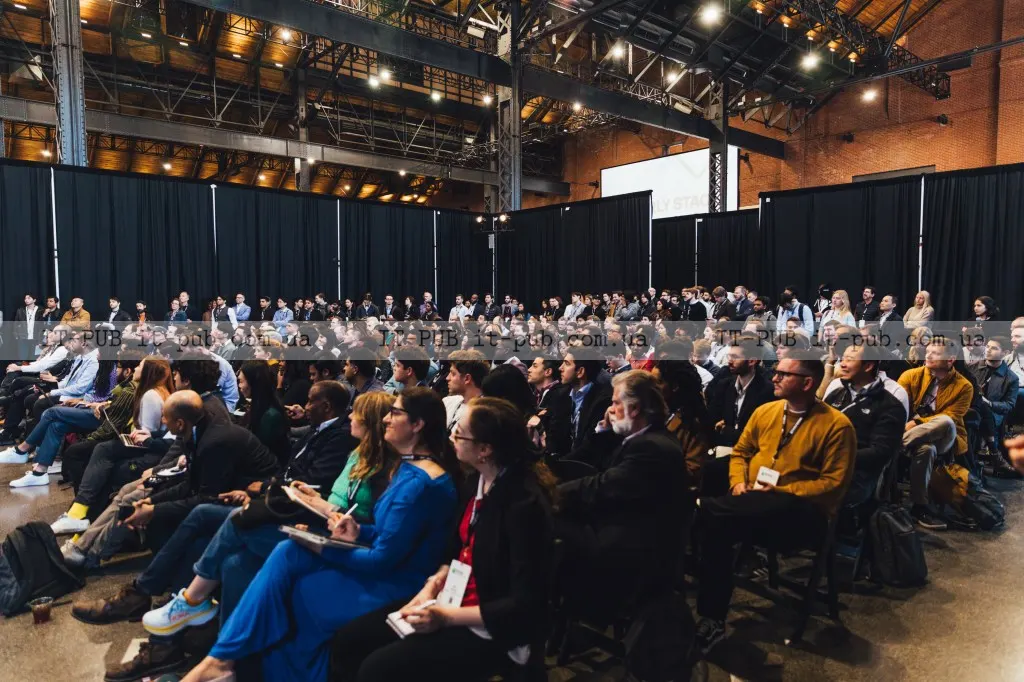
The November 4 event in Boston will add one-on-one meetings, roundtables, and side events as organizers push a more structured format.
TechCrunch Founder Summit is putting networking at the center of its November 4 event in Boston, presenting it as a more deliberate alternative to the usual crowded conference format. Instead of leaving founders and investors to rely on chance encounters, the summit will offer several ways to turn brief conversations into more useful connections. The idea is straightforward: attendees should not just listen to speakers, but meet the right people and keep those conversations going. In startup circles, that can matter as much as what happens on stage.
The event, presented by Fidelity Private Shares, will take place at Boston’s SoWa Power Station. Organizers say it is designed to bring together founders, venture capitalists, and other attendees for a full day of sessions, practical advice, and scheduled networking opportunities.
Networking is part of the event design
A central feature of the summit is the Founder Summit Networking Lounge, powered by Braindate. It will let attendees arrange one-on-one meetings and small-group conversations around specific topics.
The goal is to make networking more intentional. People can bring a question, share their own experience, and find others who want to discuss the same issue. Instead of waiting for the right introduction to happen by chance, they can set up conversations that are more likely to be relevant.
That approach is aimed at founders looking for advice, investors hoping to meet startups, and operators comparing notes with peers. As IT-PUB News notes, the value of an event like this may depend less on how many people are in the room than on whether the right people actually connect.
Sessions are meant to carry on after the stage
The summit’s networking plans do not stop at the lounge. Organizers say Braindate will also help attendees continue discussions that begin during the program itself.
A talk about product-market fit, for example, can lead to a conversation with another founder working through the same challenge. A pitch session in front of investors can turn into a discussion with someone preparing to raise money. A session on building in Boston can become a chance to meet other founders working in the same city.
That is where the event’s practical significance becomes clearer. For many startup attendees, the most useful part of a conference is not the presentation itself, but the follow-up conversation that helps them apply what they heard. The summit is designed to make that next step easier.
Roundtables, breakout sessions, and side events across Boston
The networking structure runs through the rest of the venue as well. Roundtables are meant to create smaller, topic-focused discussions. Breakout sessions will give people in the room a chance to shape the conversation by asking questions from the audience. The Expo Hall will also give attendees and partners a place to meet throughout the day.
The closing reception is intended to give founders, investors, and operators more time to talk without rushing off to the next session. That extra space can matter at an event where many of the most useful exchanges are informal and time-sensitive.
The summit will extend beyond the venue, too. Official Side Events are scheduled across Boston throughout the week, giving attendees another chance to meet outside the main program.
Organizers are also pressing the ticket deadline
Alongside the networking push, organizers are also reminding potential attendees that ticket prices will rise soon. They say there are four days left to save up to $100 on a pass, and buyers can get a second pass free before doors open.
That adds a clear note of urgency to the event promotion. For founders and investors still weighing whether to attend, the summit is being positioned not just as a day of talks, but as a place where a few well-timed meetings could shape a startup’s next steps.
The broader pitch is that networking does not have to be vague or accidental. TechCrunch Founder Summit is betting that if conversations are organized around specific topics and carried across multiple parts of the event, attendees may leave with more than notes from the stage — they may leave with contacts they can actually use.