TechCrunch Disrupt 2026 turns to AI infrastructure
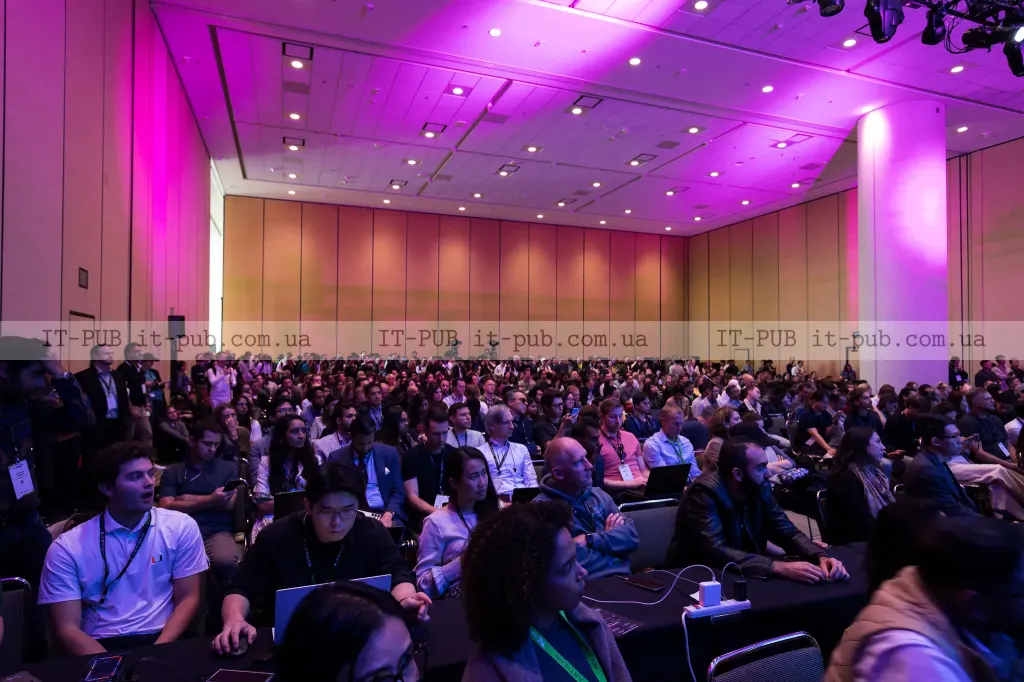
Ambrosia Energy and Bloom Energy executives will discuss how AI growth is straining power, cooling, and data center capacity at TechCrunch Disrupt 2026.
AI may be built in software, but its expansion is creating a very physical problem. Every new model, agent, and AI application needs compute, data center space, cooling, and the energy systems that keep all of it running. At TechCrunch Disrupt 2026, that pressure on the underlying infrastructure is getting a dedicated spotlight.
Ben Longmier, CEO of Ambrosia Energy, and Bill Thayer, SVP and Head of Datacenter Solutions at Bloom Energy, will join a session on the Smart Systems Stage titled “Where the AI Infrastructure Boom Is Creating Winners.” According to IT-PUB News, the discussion will center on the business opportunities emerging from the pressure points behind AI growth.
The focus matters because the AI race is no longer just about models and chips. It is also about whether the infrastructure underneath them can keep up.
AI growth is straining the physical stack
The source text presents AI scaling as an infrastructure issue as much as a software one. Models and applications do not run on their own. They rely on a broader physical stack that includes power generation, grid connections, data centers, cooling, electrical equipment, and the systems needed to keep those pieces working together.
That raises a practical question for the industry: what happens when demand for compute grows faster than the infrastructure required to support it? Some shortages may be temporary. Others could last long enough to reshape the market.
This is the central issue the TechCrunch Disrupt session plans to examine. Rather than treating AI as a purely digital trend, the discussion will look at the physical constraints now shaping how fast it can grow.
The session will examine where new business areas are forming
The event is not framed as a product launch or a finished answer. It is a conversation about where the AI infrastructure boom is creating durable opportunities.
According to the source, Longmier and Thayer will look at which constraints are turning into business openings, where new categories are starting to take shape, and what founders can build as AI moves further into the physical world. That includes whether a problem such as limited power or cooling capacity remains a bottleneck — or becomes the basis for a new market.
The source also says the discussion will move past the software layer and into the infrastructure beneath it. That matters for founders, investors, and companies planning for the next phase of AI growth, because some of the biggest openings may be in areas not usually associated with AI startups.
Investors and tech leaders are watching the bottlenecks
Infrastructure booms do not spread their gains evenly. The source points to a key challenge: identifying which parts of the stack need new solutions, where spending is likely to continue, and which emerging categories can support businesses that last beyond a short burst of demand.
That makes the session relevant beyond energy and data center companies. It also speaks to investors and tech leaders trying to understand where AI growth may run into real-world limits.
The session is described as bringing together leaders with perspectives across energy, data center solutions, and market intelligence. The idea is to offer a broader view of where constraints are appearing and how the market is responding.
For companies building in or around AI, the implication is fairly direct. Opportunity may lie not only in better software, but also in the systems that make large-scale AI possible in the first place.
The next AI winner may come from outside software
One of the source’s central ideas is that the next major company created by AI may not look like an AI company at all. It could emerge in energy, data centers, cooling, grid technology, electrical equipment, infrastructure software, or another category that does not yet have a familiar label.
That is why the session is framed as more than a discussion about infrastructure. It is also about where the next markets could form as AI pushes deeper into the physical world.
The source does not argue that one of these areas has already emerged as the winner. Instead, it points to a broader shift: AI growth is creating new demands on real-world systems, and those demands are opening room for new businesses.
TechCrunch Disrupt 2026 will host the session at Moscone West on October 13, alongside 250+ speakers and 200+ sessions. The event also notes ticket discounts, including savings of up to $100 before rates go up at the door and 50% off a second pass of the same ticket type.