OpenAI says FBI arrested worker over hidden recorder
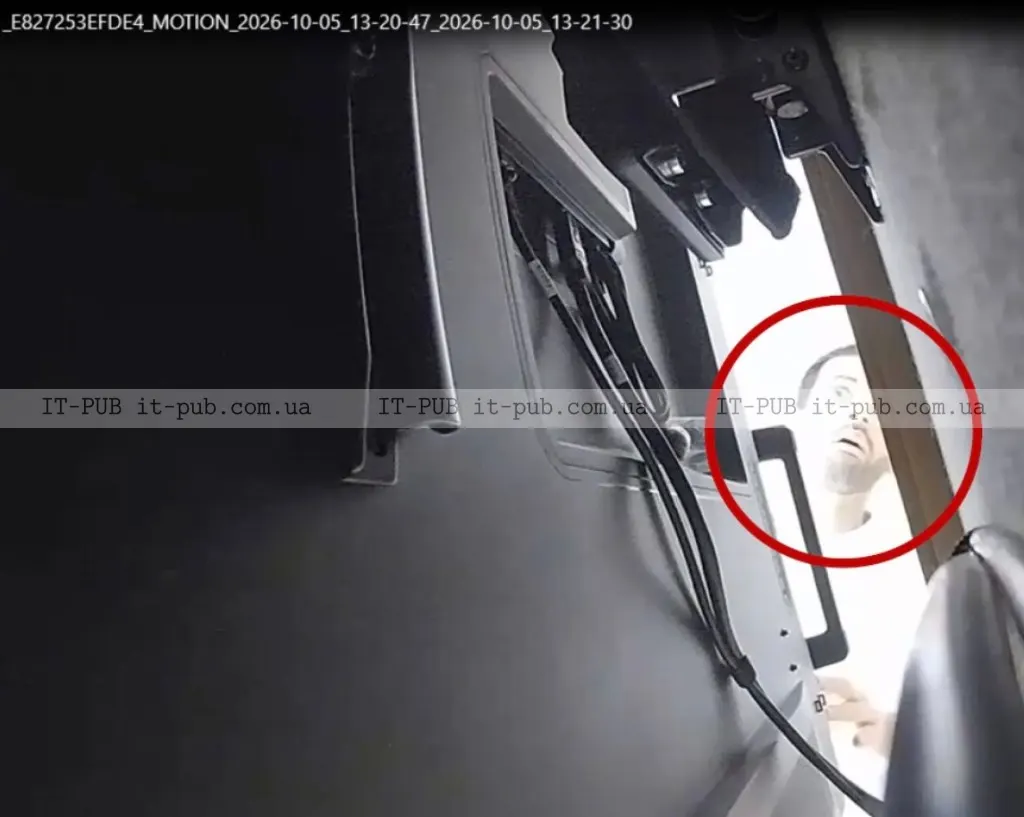
Prosecutors say an OpenAI employee hid a recording device behind a TV in a San Francisco conference room and now faces a federal charge.
OpenAI says it contacted the FBI after finding a hidden recording device in one of its executive conference rooms. Federal prosecutors later identified the suspect as company employee and Saudi national Abdulrahman Alfozan, saying he was fired and arrested on October 9, about a week after the device was discovered.
The case stands out not just because it involves one of the most prominent AI companies. It also brings a familiar workplace concern into a far more sensitive setting: how to protect private conversations when those discussions may involve advanced AI work. OpenAI said it has no indication that model weights, source code, or customer data were accessed or taken, but the incident has still put internal security and surveillance risks back in focus.
OpenAI says internal AI tools helped analyze the device
In a post on X, OpenAI said it used its own internal AI models to understand what it called a “sophisticated” device. The company told TechCrunch that it included “advanced encryption, audio monitoring capabilities, and a mechanism for transferring data designed to evade monitoring,” though it remains unclear how technically different it was from other recording devices.
OpenAI has not said the device was used to steal files or technical assets. Its public statement instead stressed that, at this stage, there were no signs the employee had improperly accessed or exfiltrated model weights, source code, or customer data.
The company’s spokesperson, Nate Evans, confirmed that Alfozan joined OpenAI in July 2025 and worked on the product team. According to IT-PUB News, that detail places him inside the company only a few months before the alleged incident.
Prosecutors say the device was hidden behind a TV
Prosecutors with the U.S. Attorney’s Office for the Northern District of California charged Alfozan with using an electronic device to intercept oral communications. In plain terms, he is accused of secretly recording voice conversations without permission.
They said OpenAI found the device after it was inserted into a USB port on the back of a television in the company’s San Francisco office. Prosecutors also said Alfozan was seen looking behind the television where the device had been placed, and that OpenAI had installed a camera that allegedly recorded him.
The alleged motive has not been made public. FBI director Kash Patel said the scheme was intended to “capture sensitive communications about the company’s super intelligence technology.” When contacted, the FBI repeated Patel’s statement.
The arrest sharpens attention on insider risk at AI firms
What makes the case especially notable is that it centers on an employee rather than an outside attacker. That shifts the security problem. Companies building advanced AI systems are not only trying to stop external hacking attempts, but also to prevent possible misuse from inside the office.
For OpenAI, the episode comes at a moment when access to sensitive AI discussions can matter as much as access to code. Even without evidence of stolen data, the allegation alone shows how closely companies are guarding conversations about their most valuable projects.
It also underlines how surveillance tools can create legal, security, and trust problems even without a confirmed data breach. A hidden device in a conference room is enough to raise all three.
Alfozan faces a federal charge carrying up to five years
Alfozan could not immediately be reached for comment, and neither could his attorney, according to the source material. Prosecutors said he faces up to five years in prison if convicted.
The charge focuses on the interception of oral communications, making this more than a workplace dispute. It is now a criminal case involving alleged covert recording inside the office of a major AI company.
For OpenAI and similar firms, the episode is likely to reinforce the importance of internal controls, office monitoring, and access policies around sensitive discussions. For the broader tech sector, it is another reminder that competition in AI is not just about models and product launches, but also about controlling information inside company walls.