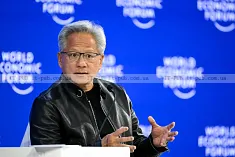
Jensen Huang returns to Nvidia under scrutiny
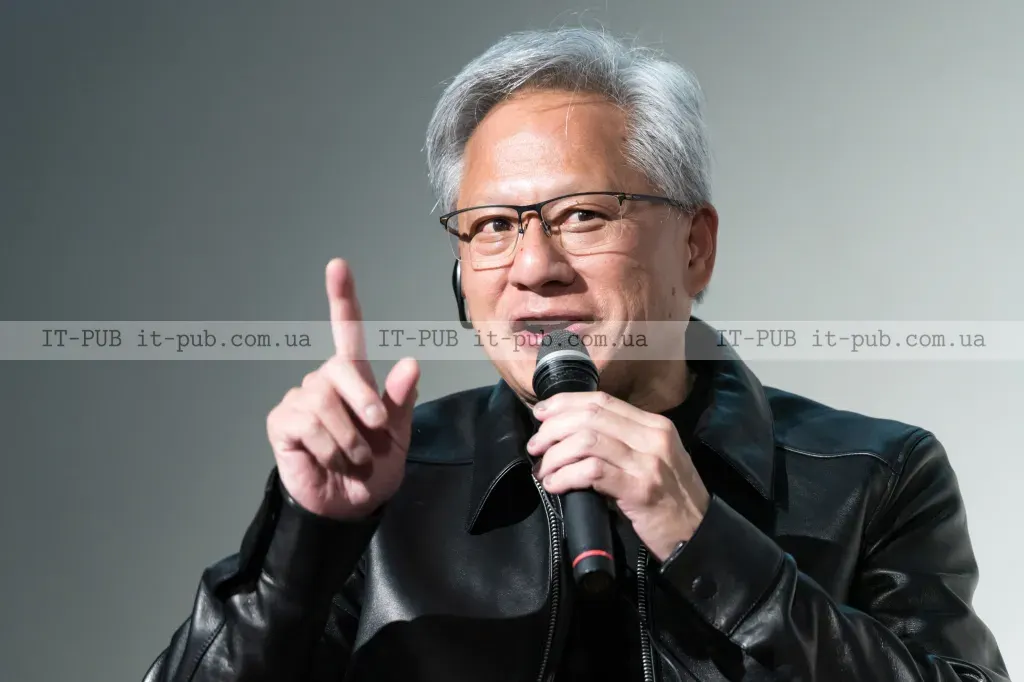
Markets rallied after Nvidia restored Jensen Huang as CEO, but questions over China, export controls and Trump’s role have not gone away.
Jensen Huang has returned as CEO of Nvidia after resigning following reports about multiple affairs, including one with a subordinate and another with a woman linked to Chinese intelligence services. Markets that rely heavily on Nvidia’s AI hardware reacted with relief. But his comeback also revives a much broader set of political and national security concerns.
The immediate market response was upbeat. Shares climbed sharply, especially among neocloud companies such as CoreWeave and Nebius, and the Nasdaq rose 7% on the news. As IT-PUB News reports, though, Huang’s return does not settle the controversy around him. It shifts attention back to what Nvidia may have known about restricted chips moving into China, and to President Trump’s role in clearing the way for Huang’s reinstatement.
Markets treated Huang’s return as a stabilizing signal
For much of the AI industry, Nvidia is not just another chipmaker. Its hardware underpins a large share of the infrastructure behind AI services, which is why Huang’s departure had been seen as a serious risk to the business environment around the company.
That helps explain the speed of the rebound once he returned. Investors appeared to read the move as a sign of stability, and the reaction was especially visible in companies tied closely to Nvidia’s ecosystem. The broader Nasdaq also moved higher, reflecting how tightly the market links Nvidia’s fortunes to the wider AI sector.
That relief, however, may not last. Huang’s return may steady the market for now, but it does not resolve the legal, political or reputational problems that have built up around the case.
Questions over chips reaching China remain unresolved
The most serious open issue is how Nvidia chips ended up in China despite export restrictions. The source says major questions remain about whether Nvidia knew about the smuggling and how much the company understood about the movement of restricted chips.
Supporters of Huang have questioned whether Alice Huang was truly a spy, but the text says it is clear that restricted chips were moving into China through her company. The New York Times also reported this weekend that Alice Huang had sustained contact with a member of China’s Ministry of State Security during the same period she was having an affair with Jensen Huang.
That is what keeps the story from being just a personal scandal. It also raises the issue of whether a company at the center of the AI boom may have been tied, directly or indirectly, to violations of US export controls involving China.
Trump’s role in Huang’s return adds another layer
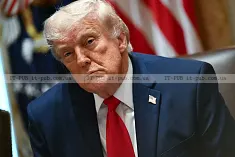
The source puts unusual emphasis on President Trump’s part in the decision. Trump has already told reporters that the US government found no national security concerns stemming from the affair, but the text says the wider concerns are harder to dismiss.
What stands out is not just that Trump defended Huang. The source says he called Nvidia’s board, going beyond a routine political show of support and beyond simply pressing the Department of Justice to exonerate Huang. In the source text’s view, that makes the episode unprecedented in American history for a sitting president intervening to clear a CEO accused of being a national security risk.
The political dimension is sharpened by Huang’s donation of $25 million to Trump’s ballroom project. The source argues that this makes it easier to frame the intervention as one that may have served a donor’s interests, rather than being driven purely by national security concerns.
Congress may keep the issue in view
The timing of Huang’s return matters because Democrats are now back in control of Congress, including investigative bodies such as the House Oversight Committee. According to the source, that gives them several ways to force the issue and keep the controversy in public view.
Even if Huang had not returned, Nvidia’s role in possible export-control violations would likely have drawn a long and uncomfortable investigation. With him back in the CEO chair, the stakes are higher. Any new revelations would not only affect Huang personally, but could also damage Nvidia itself.
The text says investigators are likely to focus on several unanswered questions. Was there any Department of Justice inquiry into whether Huang committed a crime, or did Trump make the decision on his own? Did intelligence services produce any official assessment that could be subpoenaed into the congressional record? And what role, if any, might Commerce Secretary Howard Lutnick play in the story, given his oversight of export controls and his financial ties to the industry through Cantor Fitzgerald?
Nvidia now faces a longer political fight
The source suggests this is not the end of the problem but the start of a new phase. Congressional scrutiny may bring a steady stream of awkward disclosures, while Trump is expected to keep responding in ways that could make the situation worse for everyone involved.
That leaves Nvidia at the center of a conflict that is no longer purely corporate. It now touches AI infrastructure, export controls, presidential intervention and the political power attached to one of the most successful tech companies of the past decade.
The board’s earlier decision to remove Huang appears to have reflected the same fear now hanging over the company: that the cost of keeping him could become overwhelming. Since then, the cost of removing him has also risen, after employee and partner backlash, a falling market and direct intervention from the president. Huang is back, but the risks described in the source text remain in place.