Hyperscalers’ gas plans for AI could backfire
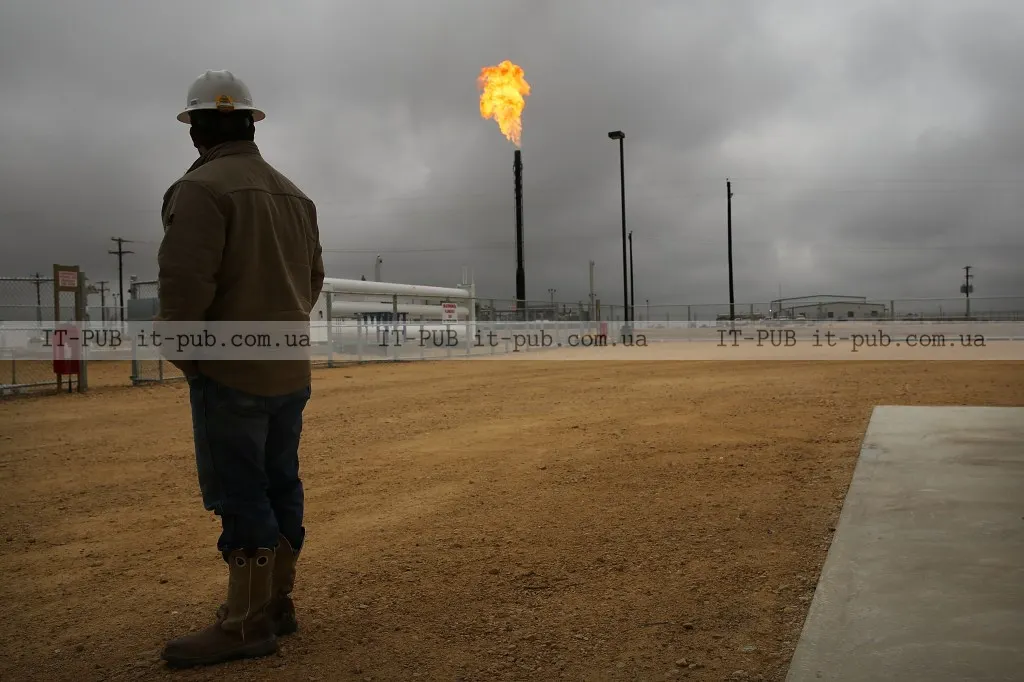
A Noreva forecast says gas prices in some U.S. hubs could top $10 per million BTUs, raising costs for AI data centers and possibly consumers.
Hyperscalers are making big natural gas bets to power the data centers behind their AI expansion, but a new forecast says that strategy could get expensive. A report from energy research firm Noreva says gas prices could triple in some parts of the U.S. as large tech companies compete for supply. That would raise the cost of running AI infrastructure and, in some areas, could ripple out to electricity bills more broadly.
The warning lands at a time when Amazon, Google, Meta and Microsoft are already pouring money into new data centers and deeper into gas-fired power. What looks like a practical energy choice today could turn into a financial risk if the market tightens faster than expected, as IT-PUB News notes.
Big Tech is securing gas capacity for AI data centers
Cheap natural gas has helped push hyperscalers to lock in large amounts of power for their AI buildout. In March, Meta said it would build a 7.5-gigawatt natural gas power plant in Louisiana to support its Hyperion data center.
A few days later, Microsoft and Google each announced plans for gigawatt-scale gas power plants in Texas. Amazon also plans to build a 7.6-gigawatt gas power plant in Texas.
The shift is notable for these companies. They have historically avoided large capital spending on physical infrastructure, but the AI boom is pulling them further into the energy business. That leaves them taking on risks well outside the usual world of software and cloud services.
Peter Gardett, CEO of Noreva, said at least one investor he spoke with was surprised by how much gas price risk hyperscalers seem willing to accept. “They’re doing things that are not normal for an off-taker to do,” he told TechCrunch.
Noreva sees pressure building in U.S. gas hubs
Noreva expects natural gas prices to rise sharply in some hubs, the delivery points for futures contracts. The firm says prices could go above $10 per million BTUs in certain areas. Today, prices range from about $2 to $4.50 per million BTUs, while the widely traded Henry Hub in Louisiana is just under $3.
Gardett said the market has stayed relatively stable through years of flat demand and steady new supply, which has helped offset declining output from older wells. He argues that balance is starting to change.
“The number” is being pushed higher, he said, by two forces at once: a tighter link between the domestic gas market and the global gas market, and demand from AI.
He also said energy companies will likely be able to bring more supply online, but not as quickly as before, especially as new wells become more expensive.
Texas and Louisiana are losing some of their gas-price advantage
The hyperscalers’ focus on Texas and Louisiana is tied to the low gas prices those regions have offered. In West Texas, much of the gas produced there has been a byproduct of oil drilling, and for a long time it had limited access to buyers. Without many pipelines to move it elsewhere, producers often sold it at a discount to anyone who could use it.
That is changing as new pipelines connect the region more closely to export markets. According to Gardett, a lot of that gas is now headed toward exports.
West Texas, in other words, is no longer as isolated from the broader market. Prices there can now influence prices elsewhere, and the reverse is also true. Even relatively small swings near major data center sites could spread into other regions.
Gardett said that could create sharp local differences, with some places having plenty of gas nearby while others have limited access. Those gaps, he said, could keep prices above $10 per million BTUs in some regions for extended periods.
Higher gas costs could hit AI economics and utility bills
The financial impact could be substantial because fuel makes up about half the cost of electricity from a large power plant. If gas prices double or triple, the cost of running “bring your own power” AI data centers could climb quickly.
That would affect the economics of the projects themselves. It could also push hyperscalers to rely more on the grid instead, creating another pressure point on electricity prices.
Noreva says futures contracts are not currently signaling major price changes, so the near-term market still appears stable. Gardett called the bet on gas “not an unreasonable” one, but said he is not convinced the companies are right.
There is also a broader public angle. Gardett said 80% of consumers are already worried about data centers’ effect on their utility bills, mostly in relation to electricity. If gas becomes a larger part of the AI power story, that concern could spread to natural gas bills as well.
AI expansion is pulling tech deeper into fossil fuel markets
The forecast points to a wider shift in the tech industry. To support AI growth, hyperscalers are moving deeper into a fossil fuel market where they have relatively little experience. That may deliver the power they need now, but it also exposes them to price swings and infrastructure risks that are harder to manage.
Gardett suggested the connection between AI and energy costs could become visible in a very direct way. He said that on future Alphabet earnings calls, people may hear the company discuss the link between natural gas pricing and Google results.
That is a striking sign of how far the AI buildout is reaching beyond software and into the physical energy system. For now, these gas projects remain bets — and Noreva’s warning is that the market may not stay as forgiving as it looks today.