Apple brings face unlock to iPhone Duo
The iOS 27.3 beta adds front-camera unlocking when the foldable is closed, but Apple still limits Apple Pay and passwords to Touch ID.
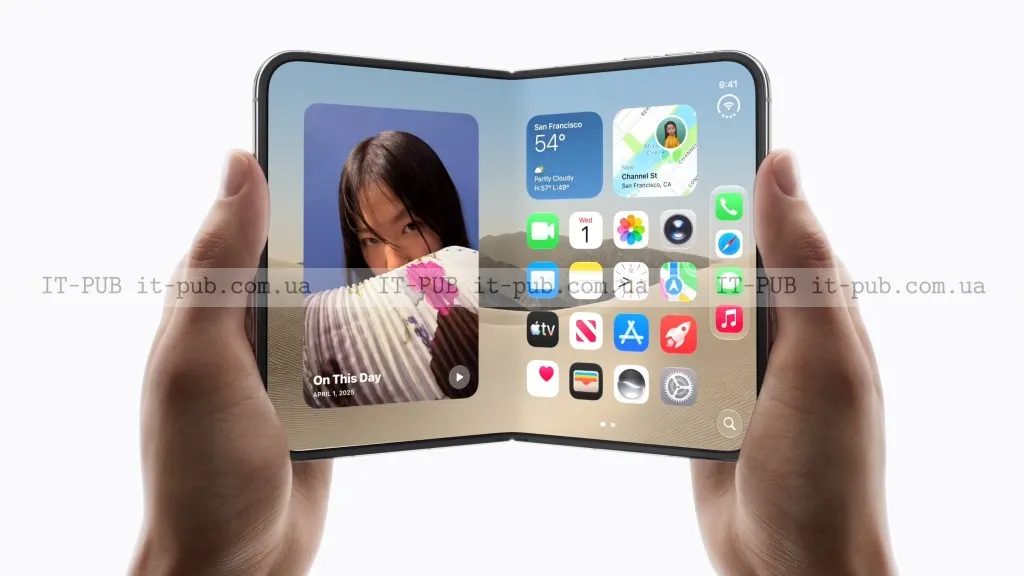
Apple is addressing one of the biggest complaints about its foldable iPhone Duo by adding a new face unlock option. The feature appears in the iOS 27.3 developer beta and lets users unlock the phone with the front camera when it is closed. It is not the same as Face ID, though, and Apple is keeping older security limits in place. That leaves the update as a convenience upgrade rather than a full replacement for the system many iPhone users know.
The change matters because the iPhone Duo launched with Touch ID instead of Face ID, a decision that stood out in Apple’s iPhone lineup. Reviewers had flagged that as one of the device’s clearest compromises. According to IT-PUB News, the new software feature does not remove that trade-off, but it does make the foldable easier to use in a way that feels more familiar to regular iPhone owners.
Apple adds front-camera unlocking to the foldable
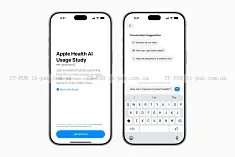
With iOS 27.3 beta, Apple is adding a “face unlock” feature for iPhone Duo users. The phone can now recognize the user through the front camera and unlock when the device is closed. Apple says the goal is to reduce the friction of relying only on Touch ID in day-to-day use.
Apple is not presenting this as a replacement for Face ID. It is a separate software-based option that works within the limits of the foldable’s hardware. In effect, the company is responding to a practical complaint without promising a hardware-level fix.
Hardware limits still keep Face ID off the Duo
Apple says the iPhone Duo shipped without Face ID because of hardware constraints. Its thin foldable design does not leave enough room for the TrueDepth sensor array that Face ID requires. That helps explain why Apple fell back on Touch ID for unlocking, authentication, and Apple Pay.
A recent Bloomberg report suggested Apple is working on a future version of the iPhone Duo that could address that limitation. For now, the current device remains tied to the hardware it launched with. So this new face unlock feature is a software workaround, not a redesign of the security system.
That also shows where Apple is drawing the line between convenience and security. The company is making it easier to unlock the phone, but it is not extending that method to every sensitive action on the device.
Apple keeps tighter security rules for payments and passwords
Apple is keeping face unlock much narrower than Face ID. The new feature works only if users have recently authenticated with Touch ID or a passcode. Apple also says Apple Pay and passwords will still require Touch ID. After 45 minutes of inactivity, users will need to authenticate with Touch ID again.
That limit matters because Apple says the feature is not as secure as Face ID. The company’s TrueDepth system uses 3D sensing hardware, including a flood illuminator and a dot projector that casts more than 30,000 invisible infrared dots on the face to create a unique 3D map. Apple says that setup, along with attention-awareness checks, is designed to resist spoofing with photos or other 2D images.
The new face unlock option does not appear to offer that level of protection. Apple is using it to improve convenience, not to replace the more secure method for tasks involving money or passwords. For users, that means faster access in some situations — but not a full move away from Touch ID.
Apple adds a built-in lock option for closing the phone
The update also addresses another complaint from early iPhone Duo users. Some had been relying on a shortcut-based workaround to make the phone lock automatically when they closed it. Apple is now adding that behavior directly in Settings under Display and Brightness.
It may sound minor, but it affects everyday use. Foldable phones are expected to respond smoothly when they are opened and closed, and users had apparently been creating their own fixes to get the Duo to behave that way. By building the option into the system, Apple is removing another manual workaround.
That suggests Apple is still refining the Duo experience after launch. The company is not only adding features, but also filling gaps that early adopters had to solve on their own.
iOS 27.3 also expands apps, Siri, and Apple News+
Apple said more than 200,000 apps are now optimized for the iPhone Duo, up from more than 100,000 earlier this month. That matters because foldable phones depend heavily on app support. A device with unusual screen behavior is only as useful as the apps that adapt to it.
The update also includes additions beyond the Duo itself. Siri will be able to answer questions about the content of a web page, including parts that are not visible without scrolling. Apple is also adding video podcasts in Apple Podcasts inside the Apple TV app, bringing the company closer to rivals such as YouTube and Spotify.
There are also new changes for Apple News+ subscribers. Apple is expanding access to News puzzles in Australia, the U.K., and for French-Canadian users. Australian subscribers will get a daily quick crossword, crossword mini, Sudoku, and Apple’s own Quartiles and Emoji Game. In the U.K., users will get the quick crossword, crossword mini, and Sudoku, while French-Canadian subscribers will get Apple’s original puzzles.
For now, iOS 27.3 is available only to developers. Apple says it will reach public beta testers soon and then roll out more broadly after further testing is complete. The update gives iPhone Duo users a more convenient experience, but it also makes clear that the foldable’s hardware limits are still shaping what Apple can and cannot change in software.