YouTube Music adds AI tools for songs and podcasts
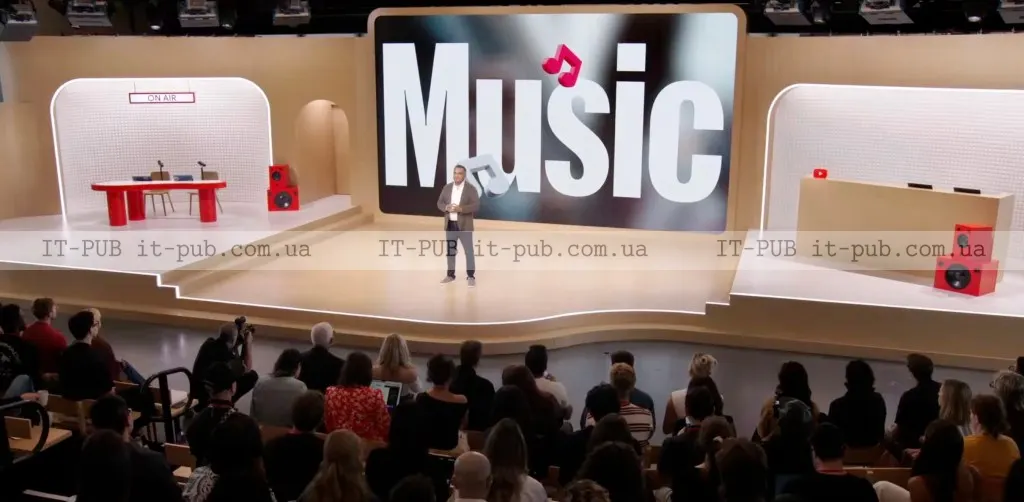
Announced at Made On YouTube, Ask Music and Your Podcast Lineup aim to make discovery more conversational for Premium users worldwide.
YouTube is adding two AI-powered features to YouTube Music, pushing artificial intelligence further into one of its biggest consumer apps. The update is meant to make music and podcast discovery less reliant on manual searching and more conversational. It also speaks to a familiar problem for listeners: there is simply more audio content available than most people can realistically keep up with.
The tools were announced at this year’s Made On YouTube event. One is Ask Music, which lets users describe what they want in plain language. The other is Your Podcast Lineup, a personalized AI-generated audio guide built to surface podcasts that might otherwise be missed.
Ask Music turns YouTube Music search into chat
Ask Music is built into the YouTube Music app and is designed to behave more like a conversation than a standard search bar. Instead of looking up songs or artists one by one, listeners can type what they want as if they were asking a friend.
YouTube says the feature can help users build custom listening queues, explore why an artist makes certain music, or dig into the history behind a song. The company also says people can ask more specific questions, such as who played bass on a particular track or what inspired a song.
The feature works across YouTube Music’s catalog of more than 300 million songs. That library includes official recordings, remixes, live performances, covers, and DJ sets, giving the AI a wide pool to draw from.
For listeners, the practical appeal is straightforward. Finding music may become less about knowing the exact title, spelling, or artist name, and more about describing a mood, a memory, or a question. As IT-PUB News notes, that could make the app easier to use for casual listeners while also giving more curious users another way to explore the stories behind the music they already know.
Your Podcast Lineup offers a weekly audio guide
The second feature, Your Podcast Lineup, shifts the focus from songs to podcasts. YouTube says it is meant to address a common issue: there are more podcasts than most people have time to hear.
Even people who already follow a few favorite shows can struggle to keep up with new episodes, let alone find new ones. YouTube’s answer is a weekly personalized audio guide that will appear on the podcast page inside the YouTube Music app.
Each week, the guide will deliver a short spoken preview of recommended shows and explain why they may appeal to the listener. From there, it can move directly into suggested episodes.
That makes it feel less like a static recommendation list and more like a guided listening flow. For users, the idea is to cut down the effort of deciding what to play next. For podcast creators, it could open another path to discovery in a crowded market where attention is limited.
YouTube joins a wider push for AI-driven audio discovery
These features are part of YouTube’s broader effort to use AI across its services. The company has already tested AI-powered music hosts that offer stories, fan trivia, and commentary tied to what people are listening to.
YouTube is not the only company moving this way. Spotify recently introduced a similar AI-powered feature that uses AI to generate personal podcasts based on user interests and prompts. The approaches are not identical, but both companies are trying to make audio platforms feel more interactive and more personalized.
That matters because music and podcast apps are no longer competing only on catalog size. They are also competing on how well they guide users through an overwhelming amount of content. AI tools like these are meant to reduce friction, but they also raise a practical question about how much control listeners want to hand over to automated recommendations.
YouTube says the rollout will reach Premium users worldwide
YouTube says both updates are coming soon to YouTube Music and YouTube Premium subscribers worldwide. The company did not give an exact start date for the rollout, but it framed the additions as part of the next stage of the app’s development.
For users, the immediate change is that discovery may feel more conversational and less mechanical. Instead of digging through menus or trying to remember exact titles, they will be able to describe what they want in everyday language and get a more guided result.
For YouTube, the move is another step toward building AI into everyday entertainment tools. The promise is convenience — faster discovery, more relevant suggestions, and less time spent hunting for something to play. The tradeoff is that listeners may end up relying more heavily on automated curation, even in areas where personal taste and human judgment still matter a great deal.