noRecognition tries to hide people and cars from cameras
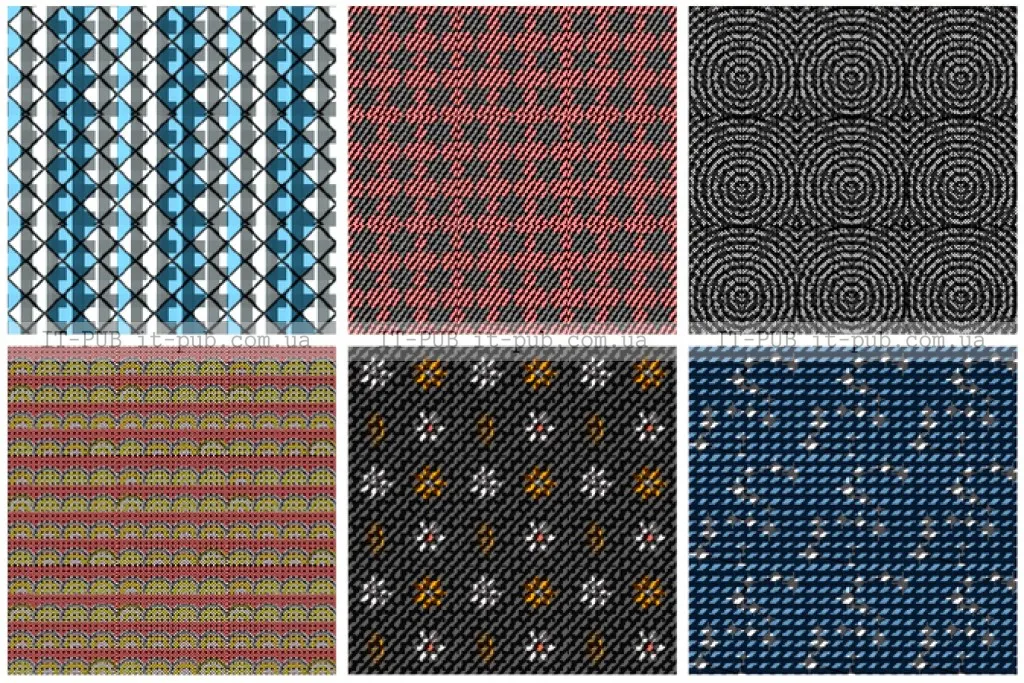
Bill Swearingen says his generated patterns can confuse some surveillance systems, with a Def Con vehicle test putting the idea into public view.
Bill Swearingen has spent the past year working on a narrow but increasingly relevant problem: making people and vehicles harder for surveillance cameras to identify. After millions of tests, he says he has developed computer-generated patterns that can stop some widely used detection systems from recognizing whatever they cover.
The project, called noRecognition, is drawing attention because it goes after the algorithmic surveillance layer built into many modern cameras. As IT-PUB News notes, these systems do more than record video — they can automatically flag license plates, faces, people, and objects, making it easier to track activity across public spaces.
noRecognition is built to disrupt automated detection
Swearingen’s idea is not to stop cameras from filming. The patterns are designed to interfere with the software that decides what the camera is looking at.
According to Swearingen, when the pattern is applied to clothing, objects, or vehicles, it can stop some surveillance systems from triggering detection alerts. The camera still records the scene, but the software may fail to classify the covered person or object correctly.
That distinction is central to the project. noRecognition is not about vanishing from video altogether. It is about getting past the automated tools that scan huge amounts of footage and pull out items for human review.
Swearingen said the goal is to let people “opt-out of being tracked.” He framed the work as a privacy issue and said privacy is a fundamental right.
A Def Con demo put the project into public view
The project hit a public milestone on Friday at the Def Con cybersecurity conference in Las Vegas, where Swearingen demonstrated the pattern on a vehicle. With help from Donut Media, he covered a 2009 Toyota Yaris with one of the newest patterns and tested whether it would be detected by a Flock camera.
Swearingen said the test worked, although the wheels remained a challenge. Donut Media said video of the demo will be released in the coming weeks.
The demonstration mattered because it pushed the project beyond a lab setting. Until now, the work had remained a proof-of-concept effort. The Las Vegas test offered early evidence that the patterns can work in a real-world environment against at least one type of surveillance system.
Swearingen trained the model to generate better patterns
Swearingen said the project began last year with a test lab that gradually defeated one open-source video detection algorithm after another. As the experiments continued, he increased the computing power and kept refining the patterns.
He described the system as a reinforcement learning model, meaning it trained itself by repeatedly testing which patterns worked and which failed against the algorithms he was studying. In his words, he taught the model “how to paint.”
Every failed attempt became another lesson. When a pattern was detected, the system tried again. Over time, it learned which designs were more effective until it could defeat multiple algorithms at once.
Swearingen said the model eventually found patterns that could defeat all 11 open-source detection algorithms he tested. He named software used by Flock license plate readers, Axon body-worn cameras, and cameras running Clearview AI among the systems it could beat.
He also said the model now creates new patterns every minute, with each batch mathematically better than the last.
Surveillance worries are at the center of the effort
Swearingen tied the project directly to his concerns about everyday surveillance. Speaking from Kansas City, where he co-founded the cybersecurity meet-up SecKC, he said his city is heavily covered with surveillance cameras, sometimes only a few feet apart.
He said he and others never agreed to be watched that way, and that he never opted in to having the government use his driver’s license for facial recognition.
He also pointed to a personal moment that pushed the project further. Last year, he wanted to attend a protest but felt uneasy about the number of cameras that could track people exercising their constitutional rights to free expression. He said that made him realize others could feel the same way, including people who may face greater risk or discomfort than he does.
Swearingen noted that he is a middle-aged white man living in the center of the United States, and said he has not faced hardship or discrimination because of who he is or how he looks. That, he said, made him think more seriously about the privacy and security risks tied to surveillance.
Swearingen wants to bring the patterns to clothing and cars
For now, noRecognition is still at an early stage. Swearingen said the next step is getting the patterns into the hands of people who want them.
The project already has a crowdfunding campaign to help fund early merchandise, including T-shirts and hoodies. Swearingen also said there could eventually be pattern-printed vehicle skins. He wants the designs to work from a distance while still looking visually appealing.
At the same time, he is keeping his strongest patterns off the internet. His reasoning is simple: he does not want camera makers to study and defeat them too quickly.
That tension is part of what makes noRecognition notable. On one side is a privacy tool meant to give people more control over how they appear in public spaces. On the other is the reality that surveillance companies can adapt — and that technology built to avoid detection can also be used by people whose motives are not benign.
For now, Swearingen says the work is continuing. His models keep generating new patterns, and each failed attempt helps improve them. The project’s public debut suggests algorithmic surveillance may be more vulnerable than it looks, while setting up a fresh contest between detection systems and the tools designed to evade them.