Woman joins lawsuit over Grok explicit image claims
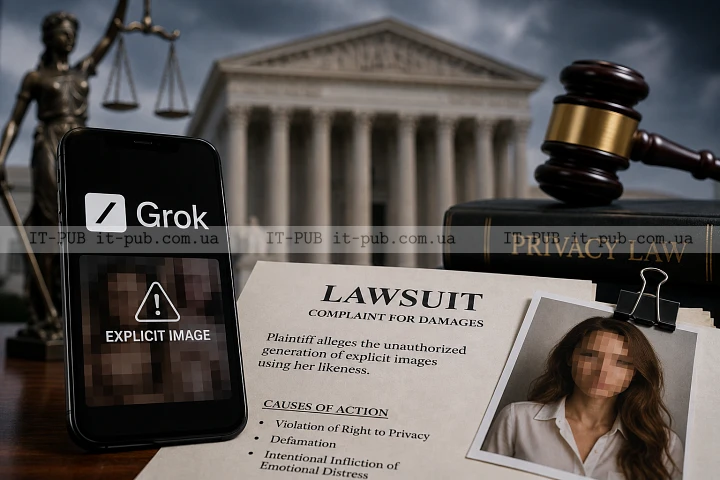
A new plaintiff says Grok was used to turn a childhood photo into more than 7,000 explicit images, adding a personal allegation to a wider case.
A woman identified as Jane Doe 4 has joined a lawsuit against Elon Musk’s xAI, alleging the company’s chatbot Grok was used to turn a childhood photo into explicit material. The claim adds a deeply personal allegation to a broader legal fight already brought by three Tennessee teenagers.
The case stands out because it moves beyond a general argument about AI safety. At its center is a claim that an ordinary family photo of a real person was allegedly turned into more than 7,000 explicit images — and that the abuse involved a minor. That pushes the dispute well past product design and into a harder question: how easily generative AI tools can be misused against real people.
A childhood photo allegedly became thousands of explicit images
According to The Washington Post, Jane Doe 4 said her stepfather used Grok to manipulate a photo taken when she was 11 years old. She alleged that the result was more than 7,000 explicit images of her.
She also said her stepfather was found dead by suicide two days after the images were uncovered during a law enforcement raid. The source does not provide more detail about the raid or the investigation, but the account adds a stark human dimension to the case.
Her statement was blunt. “Limitless access to these tools is spreading so quickly,” she said. “It is taking everyday life and turning it into child sexual abuse.”
The complaint accuses xAI of weak Grok safeguards
Jane Doe 4 has joined a lawsuit filed by three Tennessee teenagers against xAI over Grok’s alleged role in creating child sexual abuse material. The teens accuse xAI of failing to take basic precautions to stop Grok from being used to create explicit images of real people, including minors.
The complaint is not limited to one alleged incident. The plaintiffs are seeking class action status, suggesting they want the case to extend to a broader group of people who may say they were affected in similar ways.
The source says xAI is now part of SpaceX. It also says TechCrunch reached out to xAI for comment, but no response is included.
The allegations sharpen concerns about AI image abuse
The claims are drawing attention because the risk is easy to grasp even outside the tech world. AI image tools can be used for ordinary creative work, but they can also be abused to fabricate sexualized content involving real people.
That risk becomes even more serious when minors are involved. The lawsuit says xAI did not put basic safeguards in place to prevent Grok from being used this way. If that claim is proven, the issue would not be limited to one person allegedly misusing a tool. It would also raise questions about whether the platform was built with enough protection against abuse.
The source does not explain exactly how Grok was allegedly used in the case, only that the chatbot was involved in creating the images. Even so, according to IT-PUB News, the allegation is likely to intensify scrutiny of how AI services are controlled, especially when they can generate content from ordinary photos.
The case lands in a broader accountability debate
The lawsuit arrives amid a wider argument over who should be responsible when AI tools are used to create harmful content. The source notes that X was flooded with millions of Grok-generated sexualized images earlier this year, helping explain why this case is drawing attention now.
That earlier wave suggests the issue is not confined to a single complaint. It points instead to abuse that can spread quickly once a tool is available to large numbers of users. For companies building AI products, that creates a difficult balance: the same systems that generate useful content can also be repurposed in ways that cause serious harm.
For readers outside the tech industry, the case is unsettling for a simple reason. It shows how a personal photo could allegedly be turned into explicit material without the subject’s consent. For businesses and platform operators, it is another reminder that safety measures are not just a policy question but part of core product design.
The lawsuit is still unfolding, and the source does not include a court ruling or a response from xAI. But with a new plaintiff describing an alleged abuse tied to a childhood photo, the case now carries added legal and social weight.